
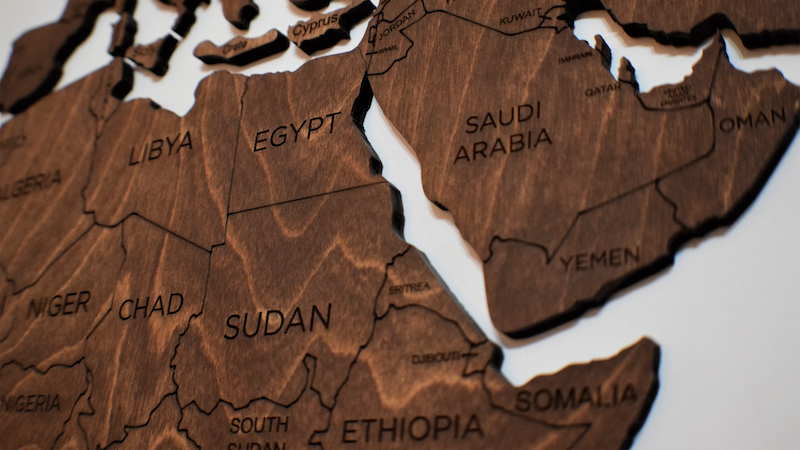
In recent times, Egypt has been gradually shifting its international stance, moving away from its traditionally stable image. This article delves into Cairo’s recent military maneuvers, particularly its support for a key military commander, signaling a notable change in the region’s geopolitical landscape.
Egypt’s Evolving Military Strategy
Historically, Egypt has maintained a reputation as a stabilizing force in the Middle East. However, recent developments reveal a more assertive military posture, especially in its support for local commanders who may challenge existing power dynamics. This strategy appears to be aimed at securing Egypt’s national interests and exerting influence beyond its borders, particularly in conflict-ridden areas.
Given the region’s complexity, Egypt’s newfound military engagements are causing both concern and intrigue among international observers. The military aid provided to specific leaders can alter balances of power and create situations that may have far-reaching implications. It’s crucial to understand the underlying motivations behind this shift, as they could redefine existing alliances and rivalries in the region.
The Impact on Regional Stability
Cairo’s decision to back military figures may lead to instability in surrounding areas. By empowering certain leaders, Egypt runs the risk of inadvertently escalating conflicts or contributing to cycles of violence. This support raises questions about the long-term strategy of the Egyptian government. Are these actions truly aimed at enhancing stability, or do they indicate a deeper strategic ambition to dominate regional affairs?
Regional actors and international powers are watching Egypt closely, as its actions could provoke reactions. Countries like Turkey, Iran, and various Gulf states have a vested interest in the outcomes of Egypt’s military strategies. The potential for proxy conflicts rises as different nations compete for influence in the already volatile landscape.
The Role of External Influences
In addition to Egypt’s internal considerations, external factors are also playing a crucial role in shaping its military approach. Global powers are increasingly involved, and Egypt’s moves can be interpreted not just as local strategies but as part of a broader geopolitical game. The influence of foreign military aid and alliances cannot be overlooked, as they significantly impact Egypt’s capacity to act on the global stage.
The interplay between local dynamics and foreign interests complicates the situation further. Cooperation with other nations may provide Egypt with the resources necessary to implement its military strategies, but it also entangles Cairo in a web of international obligations and expectations. Balancing these relationships while pursuing national goals will require sophisticated diplomacy and strategic foresight.
Conclusion
Egypt is at a crossroads, facing the challenge of redefining its role in a rapidly evolving geopolitical environment. As it begins to arm military figures and assert its influence, the implications for regional stability are significant. How Cairo navigates these changes could set the tone for its future relationships with both neighboring nations and global powers. The coming months will be critical in determining whether Egypt’s actions lead to a more stable or a more volatile Middle East.