
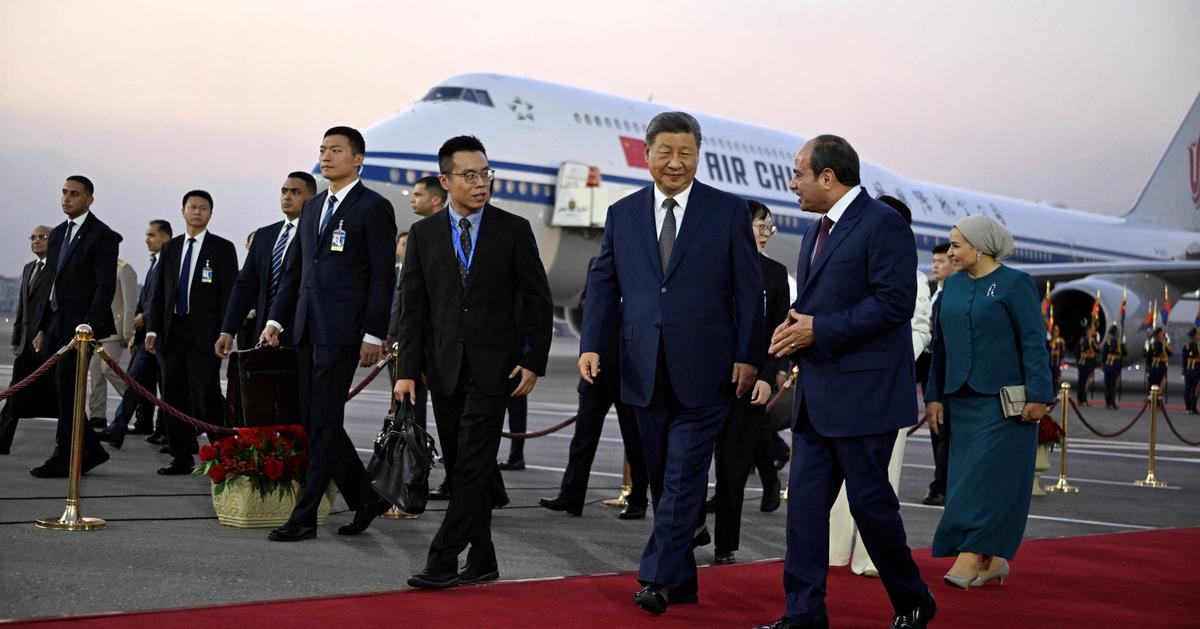
Chinese President Xi Jinping recently visited Egypt with the objective of strengthening relations with a nation that is a significant ally of the United States. As tensions and instability rise in the Gulf region, these diplomatic endeavors highlight China’s growing presence and influence in the Middle East. Analysts have noted that relations between Beijing and Cairo have evolved positively, particularly as China seeks to assert itself more prominently on the global stage while navigating the complexities of existing US alliances.
Xi Jinping’s Diplomatic Push
Xi’s international engagements, including discussions with leaders from Russia and India and his impending participation in the BRICS summit, underscore his intentions to showcase China’s geopolitical significance. This outreach comes at a crucial time as Xi prepares for anticipated discussions with US President Donald Trump. The shifting dynamics in the international arena — particularly the perceived decline of US dominance — have motivated many Middle Eastern nations to explore stronger ties with China. Experts have suggested that these countries are increasingly looking eastward, with China emerging as an alternative partner in various sectors, including trade, investment, and security.
China’s Role in Middle Eastern Stability
China’s assertive foreign policy initiatives in the Middle East are being viewed as an opportunity for these nations aiming to diversify their alliances and reduce dependence on traditional partners like the United States. The historical context of US military support to Egypt, amounting to billions in aid, is being challenged as countries reassess their options amidst regional volatility. With China’s economic growth and infrastructure projects gaining traction globally, Egyptian officials appear eager to capitalize on these developments.
Strategic Implications for US Allies
As the geopolitical landscape evolves, key US allies like Egypt are finding themselves in a position where diversifying partnerships is paramount. The growing inclination towards China represents not just an economic opportunity but also a strategic shift. Egyptian leaders are likely considering how enhanced collaborations with China can bolster their national interests while maintaining traditional ties with the US. The situation showcases a potential pivot in allegiance as nations explore more balanced relationships in an increasingly multipolar world.
The Future of China-Egypt Relations
Looking ahead, the future of relations between China and Egypt appears promising yet complex. Both nations stand to benefit from increased cooperation across various sectors, including energy, infrastructure development, and technology. This partnership may not only provide immediate gains but also help Egypt to navigate the uncertain waters of Middle Eastern politics. As China continues to assert its influence, the outcomes of these diplomatic efforts will be crucial not only for bilateral relationships but also for the broader geopolitical balance in the region.
In summary, Xi Jinping’s visit to Egypt symbolizes a significant shift in the dynamics of international relations, particularly in the Middle East. As regional instability prompts countries to seek new alliances, China is poised to play a crucial role. With Egypt acting as a key ally, the implications of this evolving relationship are likely to resonate throughout the Arab world and beyond, shaping future diplomatic and economic landscapes.