
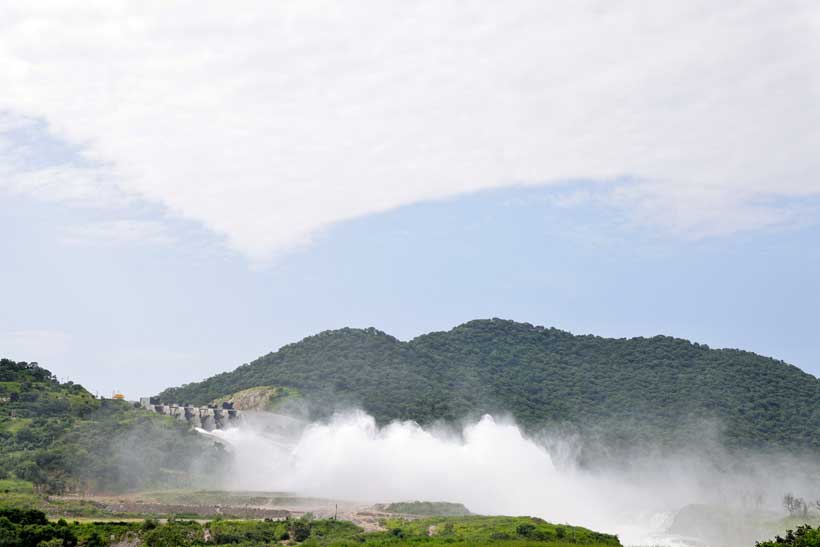
China’s role in the Horn of Africa has been expanding rapidly, particularly in Ethiopia, where its economic and diplomatic influence is palpable. As one of the key players in the ongoing Grand Ethiopian Renaissance Dam (GERD) conflict between Ethiopia and Egypt, China holds a unique position that could potentially facilitate dialogue between the two nations. But can China’s involvement help to ease tensions and promote a resolution?
The Importance of the GERD Conflict
The Grand Ethiopian Renaissance Dam has become a focal point of contention between Ethiopia and Egypt. For Ethiopia, the dam represents a critical opportunity to harness its hydropower potential, supporting its economic development and energy needs. Meanwhile, Egypt views the GERD as a significant threat to its water security, given that the Nile River is its primary source of freshwater. The stakes are high for both countries, and the failure to resolve this conflict could have dire implications for regional stability and cooperation.
China’s Diplomatic Clout in Africa
Beijing’s diplomatic and economic footprint in Ethiopia has grown over the years, primarily through investments in infrastructure and development projects. By positioning itself as a partner and mediator, China has the potential to influence negotiations between Ethiopia and Egypt. It is essential to understand that, unlike Western powers, China’s approach to diplomacy often prioritizes non-interference and emphasizes mutual economic benefits.
China’s economic investments in both countries give it a unique leverage point. Continued financial backing for Ethiopia’s development—including the GERD—can serve as a bargaining chip in the conversations with Egypt. Chinese officials have previously indicated a willingness to assist in mediating the conflict, highlighting the potential for Beijing to play an integral role in finding common ground.
Potential Solutions and the Role of Mediation
In approaching the GERD conflict, China’s involvement could provide a framework for constructive dialogue. One potential avenue for resolution could be the establishment of a tripartite committee that includes Egypt, Ethiopia, and China. Such an initiative could lay the groundwork for joint assessments on water resource management and sustainable usage. By encouraging cooperation rather than confrontation, this approach might ease longstanding fears.
Furthermore, China’s expertise in infrastructure projects and development could help facilitate discussions around technology transfer and capacity-building, making it easier for both Ethiopia and Egypt to work toward a mutually beneficial agreement. This emphasis on collaborative progress is crucial in a region where mistrust runs deep.
Challenges Ahead
Despite the promising prospects of China’s involvement, several challenges remain. The deeply rooted historical tensions between Egypt and Ethiopia over the Nile River complicate any mediation efforts. Additionally, skepticism from various stakeholders within both nations could impede progress. While China can act as a facilitator, the ultimate resolution depends on the willingness of both Ethiopia and Egypt to come to the negotiation table in good faith.
In conclusion, China’s growing influence in Ethiopia positions it uniquely to mediate the GERD conflict. While challenges abound, Beijing’s emphasis on cooperative solutions offers a path forward. If both nations can engage constructively with China’s support, there exists the possibility of not only resolving the GERD dispute but also fostering a more stable, collaborative future in the region.