
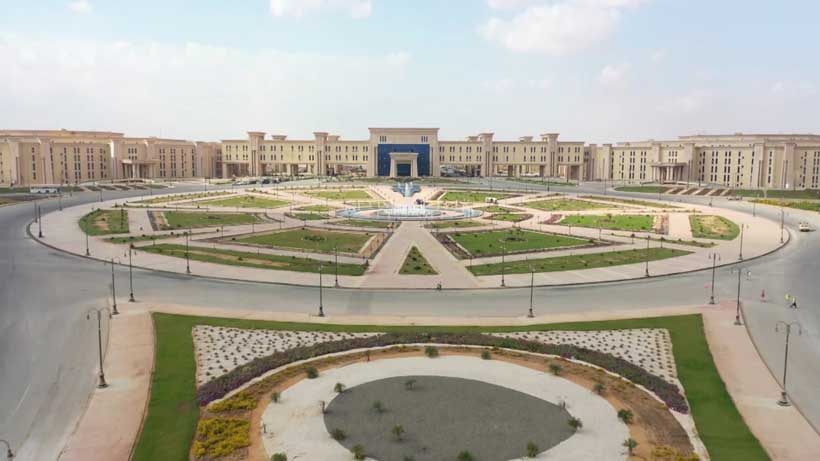
The Egyptian “Octagon” headquarters has been the focal point of extensive analysis by Chinese military experts and various online platforms, emphasizing its architectural and strategic significance. This innovative structure reflects not only a modern engineering marvel but also highlights Egypt’s advancing military capabilities. The discussions surrounding the Octagon reveal insights into how nations are investing in infrastructure to enhance security and operational readiness.
Architectural Innovation and Design
The Egyptian military’s design choice for the Octagon represents a blend of modern aesthetics and functional efficiency. The structure is notable for its unique octagonal shape, which deviates from traditional military headquarters. This distinct geometry is not merely for visual appeal; it allows for optimized space utilization and enhances communication and coordination among various military departments. Such architectural innovations can potentially streamline operations and logistics, thereby contributing to a more agile military response.
Strategic Military Implications
Beyond its architectural merits, the Octagon serves as a strategic asset for Egypt. Chinese military analysts have noted that a well-designed headquarters can significantly improve command and control capabilities during crises. A centralized location for military operations facilitates quicker decision-making and better resource allocation, which is crucial in modern warfare scenarios. As geopolitical dynamics shift in the region, having a robust and modernized command center like the Octagon becomes increasingly vital.
Symbol of Enhanced Military Capability
The Octagon is more than just a building; it symbolizes Egypt’s commitment to strengthening its military infrastructure. The investment in such facilities indicates a strategic pivot towards modernization, which could enhance national security. The collaboration between local and international experts in the building process underscores the importance of knowledge exchange and resource-sharing in defense matters. This collaborative spirit may foster stronger ties with countries that prioritize military innovation, thereby positioning Egypt as a leader in regional security affairs.
Impact on Regional Stability
As countries in the Middle East continue to reassess their military strategies, the emergence of advanced facilities like the Octagon could have broader implications for regional stability. The presence of a state-of-the-art military headquarters could serve as a deterrent against potential threats, providing Egypt with a strategic advantage. Furthermore, this development might encourage neighboring nations to reevaluate their own military capabilities, potentially leading to an arms race or fostering increased dialogue for peace.
In summary, the Egyptian “Octagon” headquarters stands as a testament to the evolution of military infrastructure and strategic thought. By enhancing operational capabilities through innovative design and construction, Egypt is positioning itself as a formidable player in regional security dynamics. This initiative not only strengthens Egypt’s defensive posture but also illustrates the interconnectedness of military modernization efforts among nations in the contemporary geopolitical landscape.