
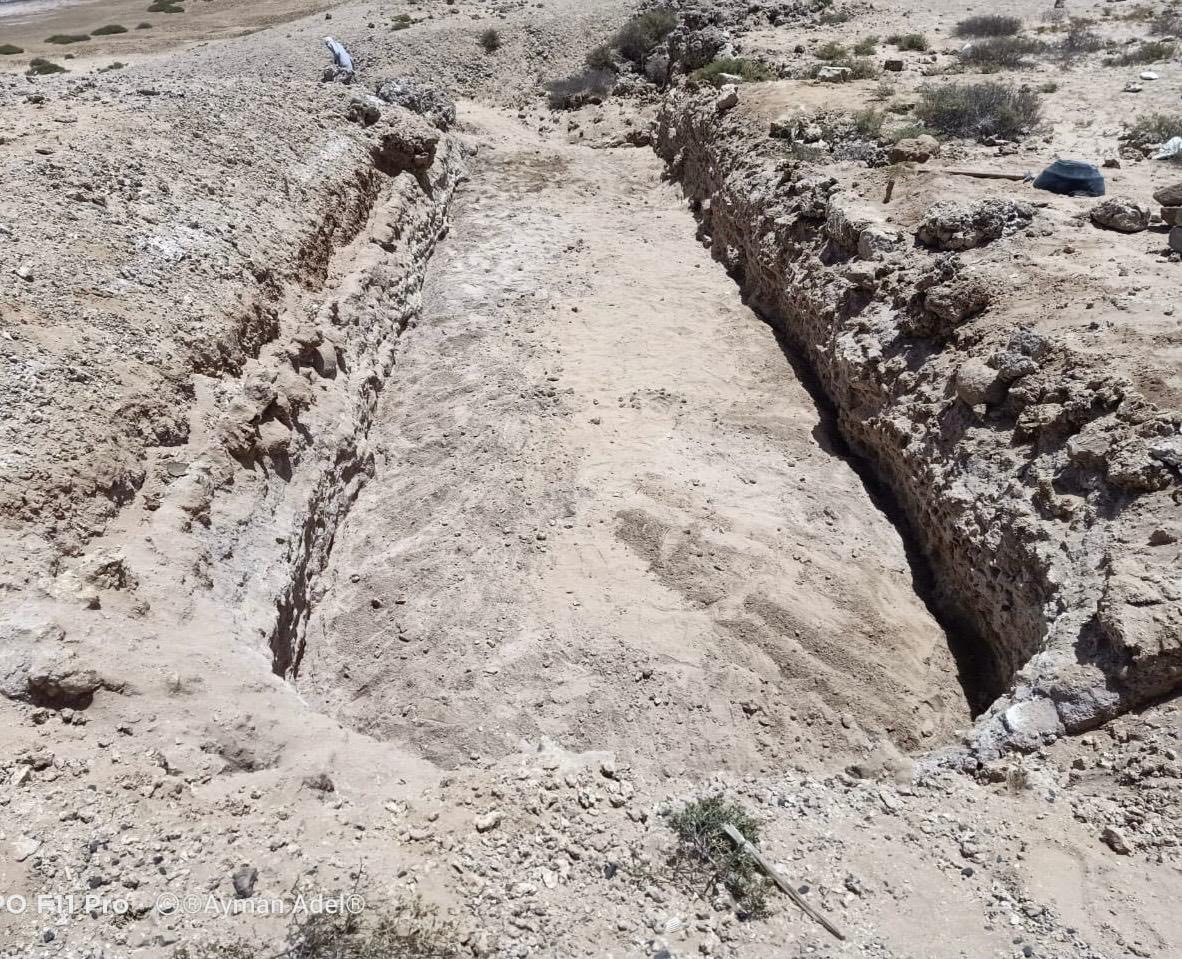
In recent archaeological developments in Egypt, significant discoveries have been made that shed light on the country’s ancient past. Excavations have unveiled a network of reservoirs that are believed to have played a crucial role in supporting the civilization. This finding not only enhances our understanding of ancient Egyptian infrastructure but also raises new questions about their water management techniques and urban planning.
Discovery of Ancient Reservoirs
Archaeologists have unearthed an extensive system of reservoirs located near the ancient city of… These reservoirs, which date back to the period of the pharaohs, are thought to have been essential for supplying water to the city’s population. By analyzing the structure and location of these reservoirs, researchers can gain insights into the advanced engineering skills possessed by ancient Egyptians. This discovery aligns with the historical records that indicate a highly effective system of irrigation and water management that supported both agriculture and everyday life.
Significance of the Excavations
The significance of these reservoirs extends beyond their practical use. They provide an exceptional opportunity to explore the socio-political dynamics of ancient Egypt. Access to water was a fundamental factor in the development of cities and towns. By understanding how water was stored and distributed, we can better appreciate how ancient Egyptians organized themselves socially and politically. This network likely facilitated trade, supported agriculture, and influenced the city’s growth, allowing it to flourish in an otherwise harsh desert environment.
Insights into Water Management Techniques
The construction and maintenance of these reservoirs showcase the advanced water management techniques that the ancient Egyptians possessed. Researchers have found evidence of sophisticated engineering solutions, such as filtration systems and the strategic positioning of reservoirs to maximize their efficiency. These findings provide valuable information that can help historians understand how ancient Egyptians coped with their natural environment. The ability to harness and store water paved the way for agricultural stability, contributing to the overall prosperity of their civilization.
Future Implications for Archaeological Research
The unearthing of these reservoirs opens new avenues for archaeological research in Egypt. Scholars are now keen to explore further into the surrounding areas to discover additional structures that may complement this finding. Such explorations could lead to a deeper understanding of the ancient civilization’s lifestyle, technological advancements, and cultural practices. Future studies are anticipated to focus on the excavation of related sites, which may provide more context about how ancient Egyptians lived and thrived in their environment.
In conclusion, the discovery of these ancient reservoirs in Egypt marks a pivotal moment in archaeological research. By unveiling the complex water management systems that supported ancient urban life, researchers are not only enhancing our knowledge of history but also creating a framework for future inquiries. Through continued exploration and analysis, we are likely to uncover even more about the ingenuity and adaptability of one of history’s most fascinating civilizations.