
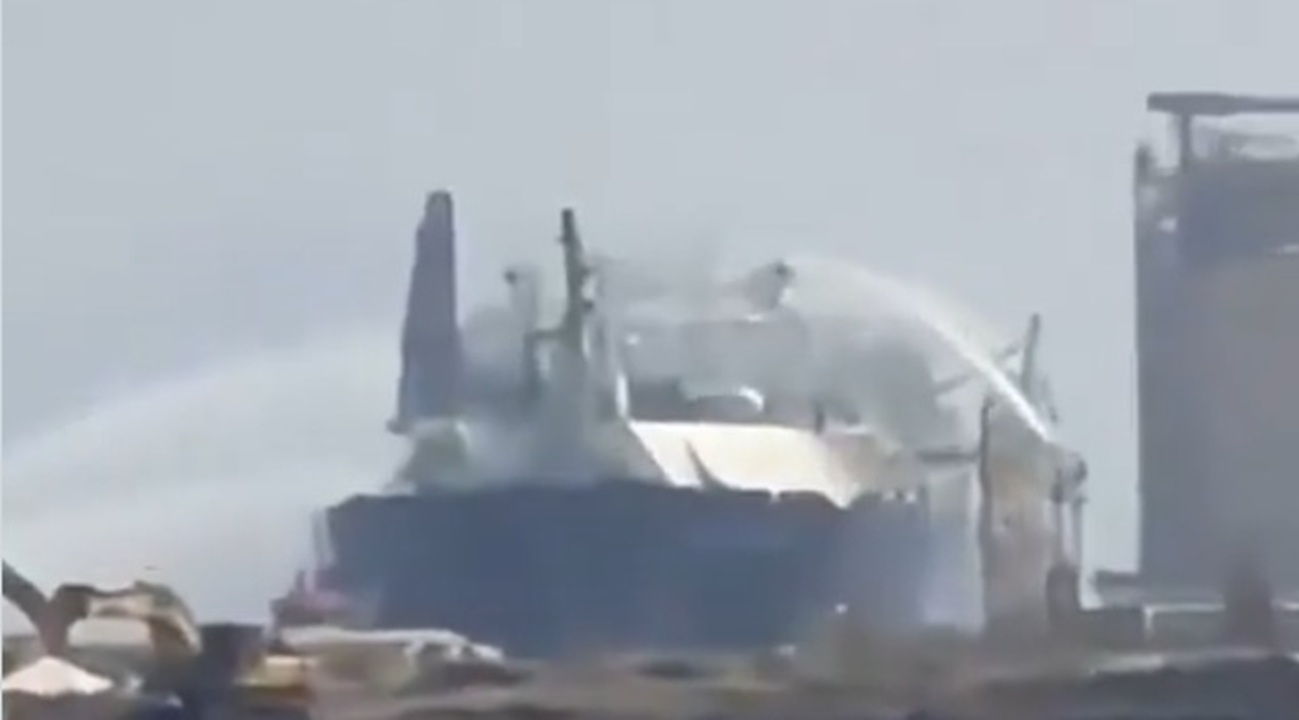
The recent incidents involving fires on the Gaslog and Energos vessels in the Egyptian Mediterranean have raised significant concerns. If confirmed as attacks, these incidents could mark a worrying escalation in the ongoing conflicts within the Middle East.
Understanding the Context of the Fires
The Mediterranean region has long been a focal point for geopolitical tensions, especially in connection with energy resources. The Gaslog and Energos, essential components of the liquefied natural gas (LNG) supply chain, were reportedly engulfed in flames under circumstances that may not be purely accidental. An investigation into the origins of these fires is essential, as the current stability of the region hinges on the integrity of its maritime routes and energy supplies. Should these events be tied to deliberate hostile actions, they could signify a dangerous trend, marking a new phase in regional hostilities.
The Implications for Trade Routes
The Mediterranean Sea serves as a critical trade route, particularly for energy transportation. Any disruption caused by increased military activity or sabotage threats could jeopardize not only local economies but also global energy markets. LNG shipments are vital for many countries that rely on imported gas, and attacks on vessels like Gaslog and Energos have the potential to unsettle pricing and availability on an international scale. It’s crucial for businesses and policymakers to understand the ramifications of such incidents, as they may need to adapt to a changing security landscape that could affect energy procurement strategies.
Security Measures in Maritime Operations
In light of the precarious situation, shipping companies and maritime operators are urged to reassess their security protocols. Enhanced measures could include increased monitoring of vessels, the implementation of advanced surveillance technology, and greater cooperation with international maritime organizations. These steps will not only protect crews and assets but will also mitigate potential risks associated with hostile encounters near critical shipping lanes. As regional tensions intensify, proactive security measures will become increasingly important to safeguard essential maritime operations.
The Broader Impact on Middle Eastern Stability
The consequences of such acts of aggression extend beyond immediate maritime safety. Should these incidents signify a broader conflict within the Middle East, the political ramifications could be severe. Regional alliances may shift, and tensions could escalate, prompting responses from various state and non-state actors. The international community must remain vigilant and engaged, as the potential for conflict in maritime zones correlates directly with the stability of neighboring countries. Diplomatic efforts may be necessary to address underlying issues before they spiral into full-blown confrontations.
In conclusion, the fires aboard the Gaslog and Energos vessels could be indicative of far-reaching implications for regional security and global energy markets. Whether these incidents are mere accidents or part of a more extensive pattern of conflict, they warrant close attention from all stakeholders involved. Understanding the dynamics at play will be critical to ensuring the stability of the Mediterranean and the continuity of essential energy supplies in the face of evolving geopolitical challenges.