
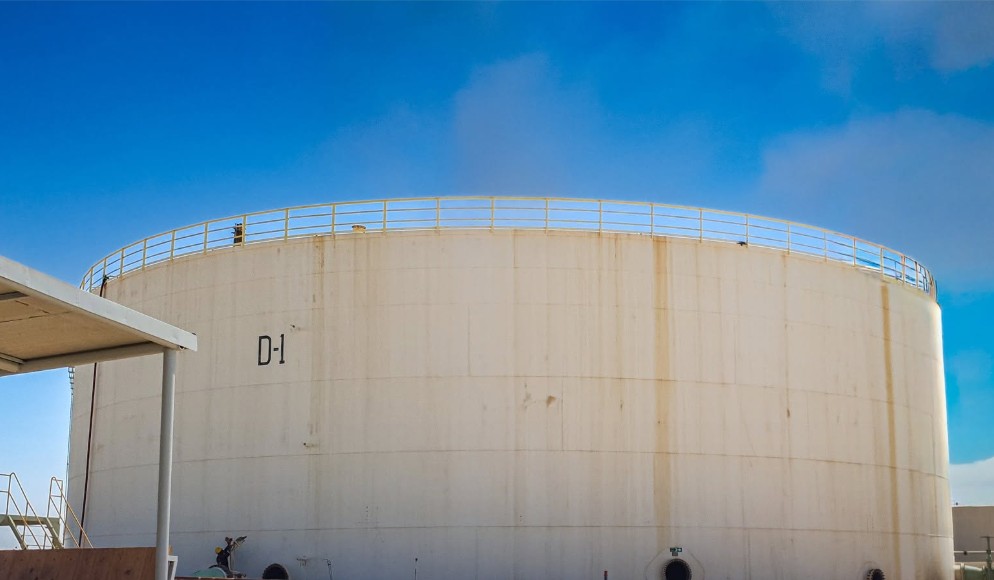
Egypt is embarking on an ambitious project to establish its first-ever strategic crude oil reserve, targeting a capacity of around 16 million barrels. Notably, this stockpile will include 10 million barrels sourced from Libya, according to recent reports from Asharq Bloomberg. This initiative not only underscores Egypt’s growing energy demands but also highlights its reliance on Libyan oil.
Details of the Oil Stockpile Plan
An Egyptian government official disclosed that the reserves will comprise 10 million barrels from Libya and an additional 6 million barrels from Iraq. This decision to construct a stockpile highlights Egypt’s intent to bolster its energy security amid fluctuating global oil markets. According to the official, Egypt commenced the importation of crude oil for the reserve in August, aiming for completion by the close of 2026.
Additionally, it’s important to note that the government has already imported 3 million barrels from Libya, which is distinct from the regular monthly supplies managed by the Egyptian General Petroleum Corporation (EGPC). This indicates a substantial engagement with Libyan crude amidst ongoing regional collaborations.
Financial Aspects of the Oil Imports
The financial commitment for this oil acquisition has been significant. Egypt has contracted to import the crude oil at a rate of $85 per barrel, amounting to a total expenditure that sums up to approximately $1.36 billion. This investment not only signifies Egypt’s growing energy strategy but also reflects the intricacies of regional oil trade dynamics between Libya and Egypt.
The partnership illustrates a commitment to mutual economic benefits, especially in light of Egypt’s increasing energy demands and Libya’s ample oil resources. The operational complexity of this deal indicates a level of trust and collaboration fostered between these neighboring countries, underlining the geopolitical dimensions of energy security.
Looking Ahead: Implications for Energy Security
As Egypt undertakes this ambitious project, the implications for energy security in the region are profound. The establishment of this crude oil stockpile will render Egypt more resilient to any future supply disruptions, thereby helping stabilize its economy. Moreover, it enhances the strategic significance of Libyan oil in the broader regional energy landscape.
As geopolitical tensions ebb and flow, such collaborations could pave the way for further energy partnerships, facilitating greater energy independence for Egypt and also proving beneficial for Libyan oil producers. This development is a testament to how countries can leverage regional resources to fortify their energy frameworks while fostering economic alliances.
In summary, Egypt’s efforts to create a large-scale oil reserve, particularly with significant contributions from Libya, signal a robust approach to managing energy resources and ensuring future energy stability. The collaboration between these countries demonstrates a proactive strategy in navigating the complexities of the global oil market.