
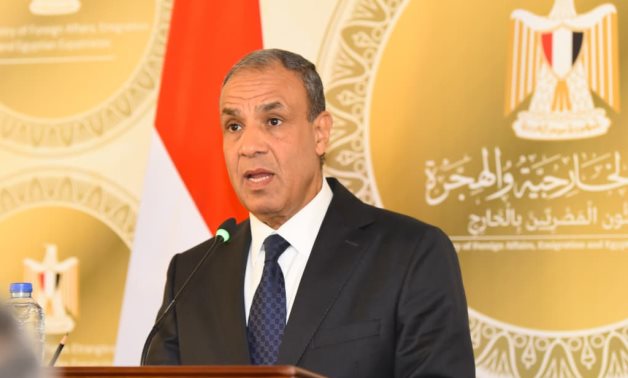
In recent diplomatic engagements, the dynamics of the Middle East are increasingly coming into focus. The Egyptian Foreign Minister, Dr. Badr Abdelatty, recently held a conversation with Iranian Foreign Minister Abbas Araghchi, highlighting the need for cooperation and dialogue in a rapidly changing regional landscape.
Importance of Dialogue in Regional Affairs
During their conversation, Dr. Abdelatty stressed the significance of open communication among nations to foster peace and stability in the Gulf region. With escalating tensions and complex geopolitical challenges at play, the need for dialogue has never been more critical. He emphasized that nations should actively seek negotiation rather than resorting to confrontation, which could further complicate existing problems.
The call comes against the backdrop of ongoing security concerns and geopolitical rivalries in the Gulf. By promoting an atmosphere of dialogue, both leaders aim to address the underlying issues that threaten regional stability. Dr. Abdelatty’s remarks serve as a reminder that collaborative approaches are essential for safeguarding national and regional security.
Stressing De-escalation and Security
In his discussions with Araghchi, the Egyptian Foreign Minister specifically pointed out the necessity of de-escalation. His call for restraint and moderation underlines a collective responsibility among Gulf states to avoid actions that could lead to heightened tensions. Recognizing that military solutions can exacerbate conflicts, he encouraged both nations to prioritize diplomatic avenues for conflict resolution.
By advocating for a focus on security, Dr. Abdelatty aligns with the broader vision of creating a secure environment for all Gulf nations. Efforts to reduce hostilities can lay the groundwork for sustainable peace, allowing countries to redirect attention towards mutual interests rather than enduring conflict.
Broader Implications for Middle Eastern Diplomacy
The conversation between the Egyptian and Iranian foreign ministers could have significant implications for Middle Eastern diplomacy as a whole. As these two influential countries seek to navigate their complex relationships, the outcomes could impact regional alliances and partnerships. If successful, their dialogue may inspire other nations in the region to adopt similar approaches, recognizing the value of cooperation over conflict.
Moreover, the emphasis on negotiations creates an opportunity for addressing long-standing issues, such as energy security and economic collaboration. As the geopolitical landscape evolves, the ability to engage in constructive dialogue will be crucial for establishing a peaceful coexistence among neighboring states.
In conclusion, Dr. Badr Abdelatty’s recent conversation with Abbas Araghchi highlights the urgent need for dialogue and de-escalation in the Gulf region. By promoting negotiations and understanding, Egypt and Iran set a positive example for other nations. Moving forward, it is vital for all Gulf states to embrace diplomatic efforts, ensuring a more stable and secure environment for the future. The path to lasting peace lies in mutual respect and cooperative dialogue.