
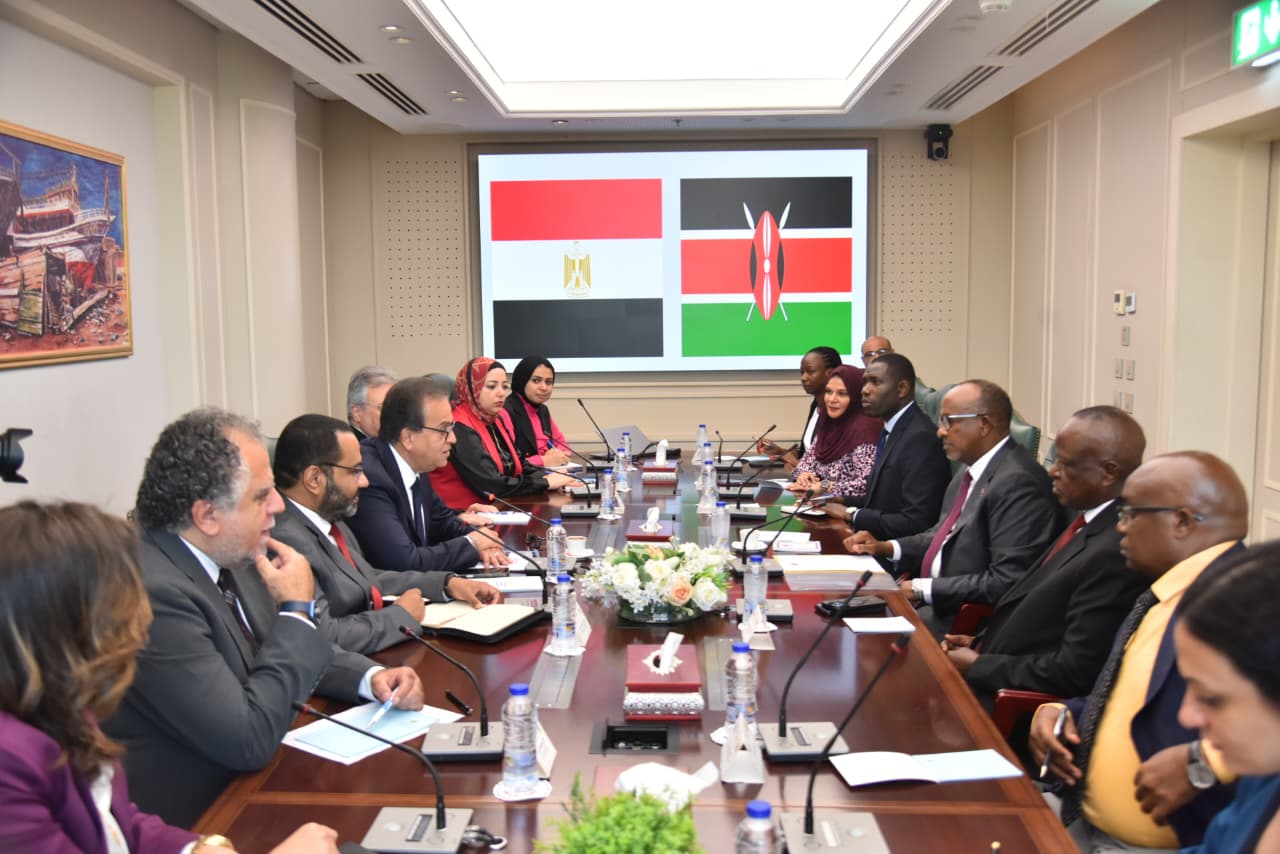
Egypt and Kenya have initiated discussions aimed at enhancing collaboration in healthcare and improving pharmaceutical security across the African continent. The focus of these conversations includes boosting local production of medicines and vaccines, thereby reducing the dependency on imports. Additionally, the two nations are exploring ways to exchange medical knowledge more effectively.
Strengthening Bilateral Ties in Healthcare
Egypt’s Minister of Health and Population, Khaled Abdel Ghaffar, met with his Kenyan counterpart, Aden Bare Duale, to discuss mutual cooperation in various public health sectors. The ministers emphasized the significance of leveraging existing strong diplomatic ties between both countries to tackle pressing health issues. They championed the “One Health” approach, recognizing the interconnectedness of human, animal, and environmental health, particularly in the face of climate change.
During their discussions, the two officials pinpointed the need for enhanced African pharmaceutical manufacturing capabilities. They specifically highlighted the importance of the African Pooled Procurement Mechanism (APPM) to facilitate equitable access to safe and high-quality medical products throughout Africa. Such initiatives are critical in addressing healthcare discrepancies across the continent.
Egypt’s Growing Role in Pharmaceuticals
Abdel Ghaffar proudly noted that the Egyptian Drug Authority has attained World Health Organization Maturity Level 3 status and is actively working toward achieving Level 4. This milestone underscores Egypt’s commitment to establishing a robust pharmaceutical regulatory framework, positioning the country as a leader in Africa’s pharmaceutical landscape.
He also proposed the creation of a joint business forum that would unite pharmaceutical companies from Egypt and Kenya to explore investment and collaboration opportunities. Such partnerships could accelerate the development of healthcare solutions tailored to the unique challenges faced by both nations.
One of the pivotal initiatives discussed was Egypt’s Vaccine City and Biotechnology Project, which aims to meet approximately 22% of Africa’s vaccine demands. With an annual production capacity of around 160 million doses, this initiative reflects Egypt’s dedication to contributing to the continent’s health needs.
Collaboration Beyond Pharmaceuticals
The talks extended to addressing rare diseases and sharing effective healthcare practices between the two nations. Minister Abdel Ghaffar reviewed Egypt’s successful initiatives, such as its efforts to eliminate hepatitis C and its comprehensive early detection and cancer treatment programs. These successes could serve as valuable models for Kenya and other African nations.
The two countries are also looking into opportunities for sharing medical expertise and personnel, particularly in specialized fields like oncology, bone marrow transplantation, and pediatric care. This exchange of knowledge could enhance healthcare delivery systems in both countries.
In terms of medical tourism, Abdel Ghaffar announced the launch of the “Tour n’ Cure” platform, designed to attract patients from Africa, particularly from Kenya. He urged better coordination with private hospitals to ensure a wider range of treatment options for Kenyan patients, thereby enhancing the overall healthcare experience.
The meeting concluded with a visit to Egypt’s Emergency and Crisis Management Centre, where Abdel Ghaffar extended an invitation to his Kenyan counterpart to tour the New Administrative Capital Hospital. This visit aims to provide a comprehensive insight into Egypt’s healthcare system and its ongoing advancements.