
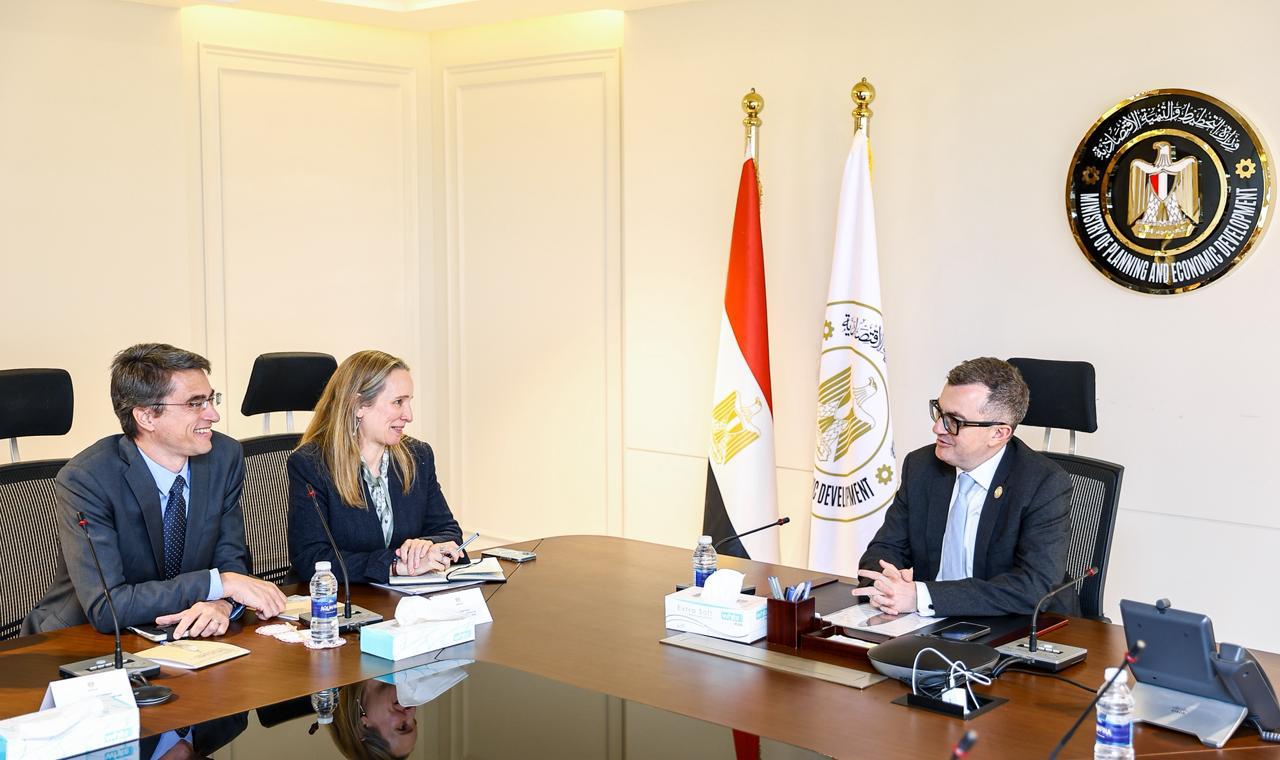
Ahmed Rostom, the Egyptian Minister of Planning and Economic Development, recently held discussions with Almud Weitz, the World Bank Group’s Regional Director for Infrastructure in the Middle East and North Africa. The primary focus of their meeting was to enhance collaboration between Egypt and the World Bank, with a shared goal of advancing strategic priorities that foster development in the region.
Egypt’s Vision for Sustainable Development
Minister Rostom emphasized that Egypt is actively pursuing a holistic development vision that prioritizes sustainable economic growth and enhances the investment landscape. One of the key pillars of this strategy is the promotion of private sector participation. The government recognizes the vital role of entrepreneurship in spurring innovation and generating job opportunities, particularly for the country’s youth. This focus on nurturing the entrepreneurial ecosystem is seen as essential for achieving long-term economic stability and resilience.
To facilitate this entrepreneurial drive, the Ministry of Planning is collaborating with various stakeholders to establish a cohesive system that promotes innovation. Efforts are being made to streamline regulatory procedures, improve access to financial resources, and advance digital transformation initiatives. These strategic actions are designed to boost Egypt’s competitiveness both on a regional and global scale, ensuring that the country remains an attractive destination for investors.
Innovative Financing for Infrastructure
On the front of infrastructure development, Minister Rostom highlighted the government’s initiative to create an innovative financing model. This model aims to blend public funding, private sector investments, and foreign capital in a way that enhances the efficiency and sustainability of major national projects. Such an approach builds upon the progress made in sectors like energy, transportation, and urban development, setting the stage for future advancements and growth.
Rostom’s insights indicate a forward-thinking approach to infrastructure, where sustainable practices are integral to project planning and execution. This model not only addresses immediate funding needs but also prioritizes long-term viability, ensuring that infrastructure can meet the demands of a growing population and an evolving economy.
World Bank’s Support for Egypt’s Tourism Sector
Almud Weitz, representing the World Bank, expressed the organization’s unwavering commitment to supporting Egypt’s development initiatives. She acknowledged the resilience of Egypt’s tourism sector, particularly in light of the challenges posed by regional instability. The World Bank is actively engaging with investors and private sector entities to explore avenues for growth and development in tourism, emphasizing the need for innovative solutions that align with sustainable practices and green tourism.
Weitz’s insights reinforce the idea that collaboration between public and private sectors, along with international support, is crucial for maximizing the potential of Egypt’s tourism industry. The focus on sustainability not only addresses immediate economic needs but also positions Egypt as a responsible player in the global tourism market.
In summary, the ongoing discussions between the Egyptian Ministry of Planning and the World Bank signify a proactive approach to achieving economic development in Egypt. By fostering an environment conducive to entrepreneurship, innovating financing methods for infrastructure, and enhancing the resilience of the tourism sector, both entities are paving the way for a brighter, sustainable future.