
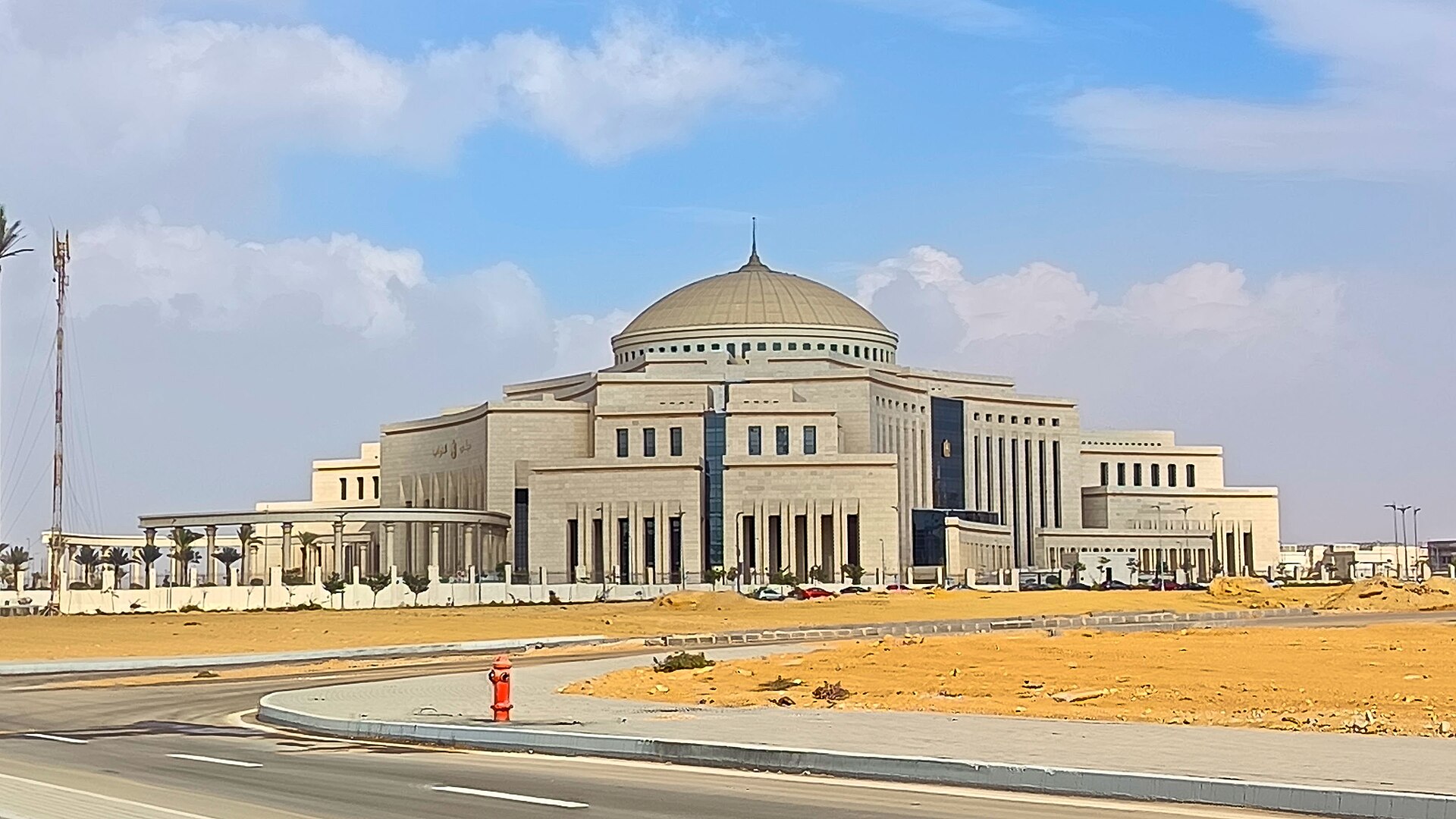
Egypt’s parliament has postponed its decision on military support for Saudi Arabia to October 26, 2026. In a separate development, the UAE has reportedly resumed funding anti-Houthi forces following a nine-month hiatus. This brings into question the effectiveness of the coalition as they attempt to reaffirm their military presence in the region.
## The Coalition’s Historical Context
The partnership between Saudi Arabia and the UAE in Yemen didn’t conclude smoothly in 2019; rather, it culminated in December 2025 with Saudi-led airstrikes targeting arms shipments from the UAE. The situation escalated when the head of Yemen’s Presidential Leadership Council dissolved the defense pact with Abu Dhabi and declared a state of emergency, resulting in a blockade on ports. Saudi officials labeled the UAE’s actions as dangerous and a threat to national security, indicating a fracture in their relationship. Reports suggest that the renewed alliance aims to combat the Houthis through a proxy force but lacks clear definitions and commitments.
## Egypt’s Legislative Dilemma
Under Egypt’s constitution, any military deployment outside the country must receive approval from the National Defence Council, as well as a two-thirds majority in parliament. Following the council’s pledge of support on October 18, the parliament convened on October 19, only to adjourn without voting. The Social Democratic Party, reflecting concerns over unclear objectives and potential risks, urged its members to abstain from the vote. This dissent highlights the uncertainty surrounding the mission’s specifics, duration, and costs, further complicating Egypt’s position.
## The Historical Precedent of Caution
President Sisi’s cautious stance is informed by Egypt’s historical experience in Yemen during the 1960s. The large deployment of Egyptian troops ended up as a significant military and political quagmire, often compared to the U.S. experience in Vietnam. With the Egyptian economy heavily reliant on Gulf investments, particularly from Saudi Arabia, Sisi is aware that any military entanglement could have severe repercussions. The Houthis have also signaled their awareness of this situation, warning that an Egyptian intervention could threaten its national security.
## The Scope of UAE’s Commitment
Reports indicate that the UAE plans to resume financial support for the Giants Brigades, a Yemeni militia it previously trained. However, the deal remains unofficial, with no formal confirmation from the UAE government. This financial commitment does not equate to a direct military presence on the ground, suggesting a more limited role in the renewed conflict compared to its actions prior to 2019. Given its recent experiences, the UAE seems to prioritize indirect involvement through financial mechanisms rather than direct combat.
## The Challenges Facing the Coalition
The failure of initial military campaigns in Yemen has left the current coalition at a disadvantage. Despite having better resources and international support, the first coalition failed to achieve its objectives, leading to a humanitarian crisis. The Houthis have adapted and strengthened their military capabilities since then, posing a significant challenge for any renewed military efforts. With the U.S. hesitant to engage directly, the coalition is left assembling less robust support, each partner unclear on the expectations and obligations of this renewed alliance.
## Egypt’s Geopolitical Considerations
Egypt’s interest in Saudi Arabia’s security is deeply interconnected with its economic and geographic interests. The Bab al-Mandeb Strait is a critical passage for trade, and any disruption threatens Egypt’s economic livelihood. Egypt has joined Saudi Arabia’s maritime defense coalition, indicating a commitment to protecting vital shipping routes while remaining cautious of further military entanglement. Analysts suggest that any Egyptian deployment would primarily focus on defensive roles, emphasizing air and missile defense rather than direct operations in Yemen.
In summary, as Egypt navigates the waters of diplomatic and military support for Saudi Arabia, the question remains whether a newly forged coalition can succeed where the previous failed. With the challenges posed by the Houthis and the cautious stance of key players like Egypt and the UAE, the operational reality becomes increasingly complex. Each decision will have significant ramifications, not only for military outcomes but also for long-term regional stability.