
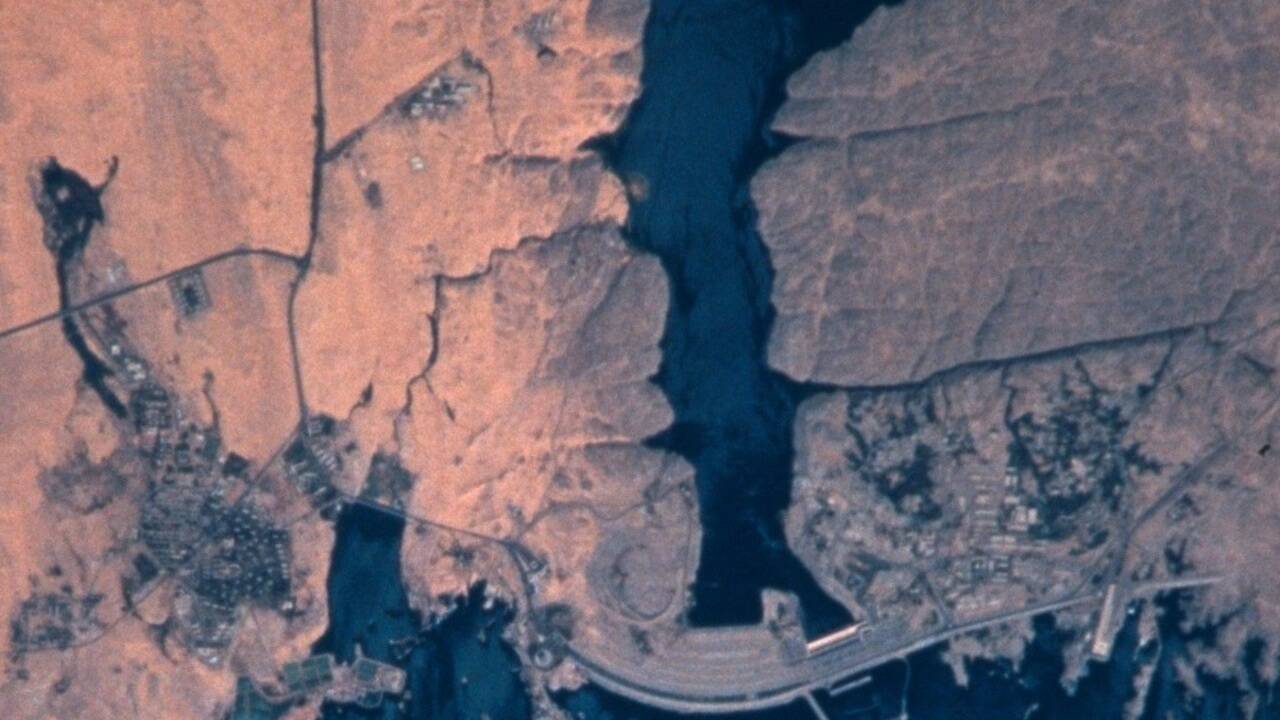
The Nile River has been integral to Egyptian civilization for millennia, fostering agriculture and sustaining life along its banks. Annual floods, driven by rains in Ethiopia, once inundated the surrounding areas, bringing nutrient-rich silt that nourished the agricultural land. However, with the onset of modern engineering practices, particularly in the 20th century, the natural cycles governing this vital river have been disrupted, largely due to the construction of the Aswan High Dam.
The Impact of the Aswan High Dam on Sediment Flow
Constructed primarily to manage flooding and provide a stable water supply, the Aswan High Dam has fundamentally altered the Nile’s natural sediment flow. Previously, the river carried approximately 40 million tons of nutrient-rich silt each year to its delta, encouraging lush agricultural growth. Today, the dam greatly restricts this sediment transfer, leading to significant declines in soil fertility downstream. With less natural fertilizer available, farmers have increasingly turned to synthetic options, which can poison local waterways and degrade the overall health of the soil.
The implications of this sediment capture extend beyond agriculture. As the Nile’s nutrient flow has diminished, coastal erosion has escalated due to a lack of sediment replenishment. A recent study highlights that the northern coast of Egypt faces accelerated erosion, as it now experiences increased wave action without the protective barrier of silt. This dual threat of shoreline erosion and loss of farmland distinctly illustrates the environmental trade-offs made in the name of development.
Effects on the Delta Region: Erosion and Subsidence
In addition to shoreline erosion, the Nile Delta is grappling with another challenge: land subsidence. The older sediment layers in the delta have compacted over time, leading to natural sinking. In the past, this would have been counteracted by the annual deposits of fresh mud from the river. However, the dam has effectively shut off this supply, exacerbating the situation. Consequently, parts of the delta are sinking even as global sea levels rise, placing additional pressure on coastal communities and agricultural practices.
Furthermore, the decline in seasonal flooding has significant ramifications for water quality in the region. Floodwaters once served as a natural cleansing mechanism, washing away harmful salts, agricultural chemicals, and waste. Without this periodic flushing, pollutants have accumulated, leading to deteriorating water quality that threatens local ecosystems and makes agriculture increasingly unsustainable.
Long-Term Consequences of Disrupted Natural Systems
The consequences of taming the Nile are far-reaching. As the delta continues to sink and coastal erosion accelerates, the balance of this historic ecosystem is disrupted. The rising Mediterranean Sea is encroaching on freshwater aquifers, a potential catastrophe for millions who depend on these resources for drinking and irrigation. Moreover, the increased salinity in farmland presents a genuine threat to agricultural productivity, raising concerns about food security in Egypt.
This case exemplifies the complex relationship between human innovation and environmental integrity. While the Aswan High Dam provides essential benefits such as hydropower and flood control, it also demonstrates the unintended consequences of manipulating natural systems. Moving forward, Egypt faces the intricate challenge of finding a sustainable approach that considers both human needs and the health of the Nile River—a lifeline that has historically nurtured its populous for thousands of years.