
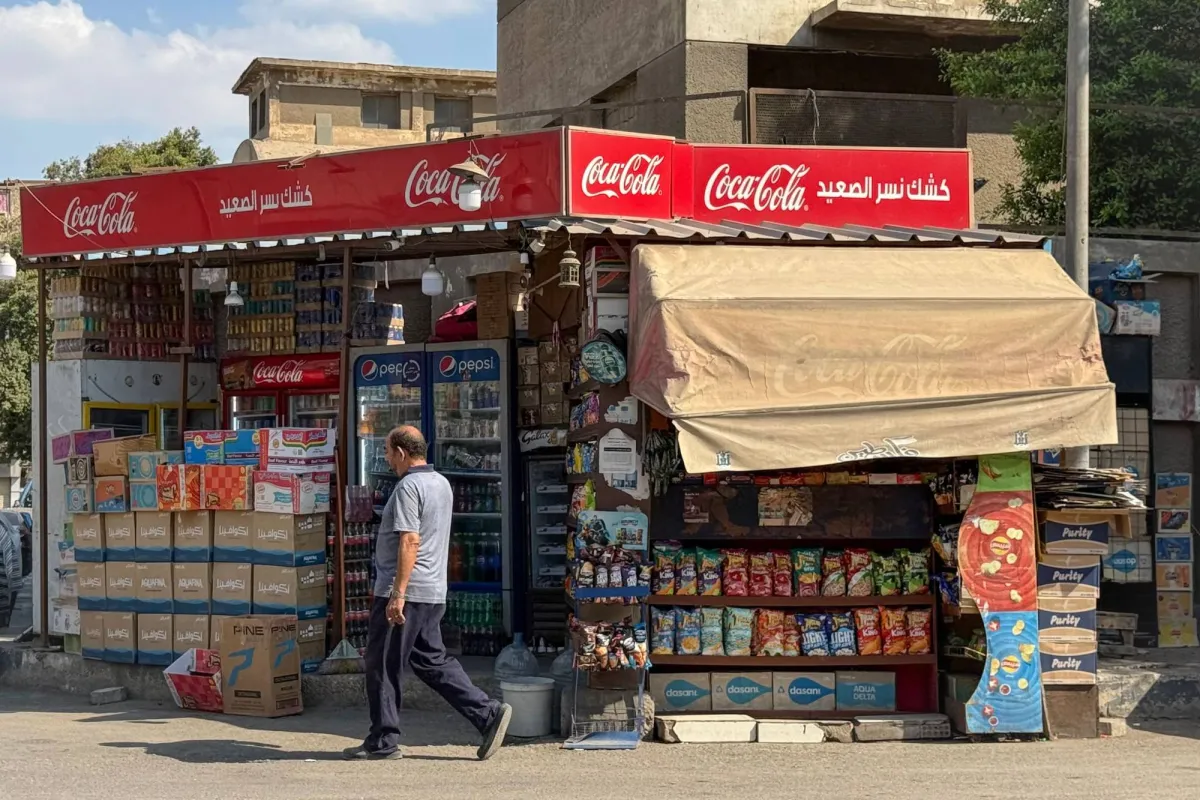
Egypt’s economy has shown remarkable resilience amidst recent regional conflicts, managing to absorb economic shocks effectively. Supported by improved international reserves, exchange rate flexibility, and prompt policy responses, the country has been able to navigate turbulent waters without succumbing to a more extensive economic downturn. However, this strength masks underlying vulnerabilities, which must be addressed to ensure sustained recovery and growth.
Economic Stability Amidst External Pressures
The recent assessment from the International Monetary Fund (IMF), prepared by experts Amine Mati and Yevgeniya Korniyenko, highlights that Egypt entered its latest regional crisis with a stronger macroeconomic foundation compared to past instances of external stress. Despite facing significant financial strains, the country’s growth remained solid, clocking in at 5.0% for the third quarter of FY2025/26. Tourism has proven resilient, remittances surged to record levels, and Suez Canal activities are experiencing steady recovery after temporary disruptions linked to regional unrest.
The IMF credits economic policy reforms, implemented as part of an IMF-supported program, for this stability. These reforms not only strengthened growth and reduced inflation but also helped bolster international reserves and enhanced the foreign asset positions of banks. This proactive approach allowed Egypt to navigate the shocks with a degree of stability that was not previously achievable.
The Financial Landscape and Future Challenges
While Egypt’s recent financial resilience is commendable, significant challenges linger. The IMF’s findings indicate that gross financing needs remain stubbornly high, projected to hover around 40% of GDP in the near term before gradually declining to below 30% by 2030. The potential for public debt to crowd out private investment poses a critical risk, as high government financing needs may inhibit the growth of the private sector.
Additionally, many banks maintain a high level of exposure to government debt, creating a vulnerable nexus between the sovereign and the banking sector. Such risks could amplify in the face of global economic uncertainties, stressing the importance of prudent debt management and a shift towards longer-term financing solutions to improve resilience against future shocks.
Moving Forward: Policy Recommendations
To address these vulnerabilities, the IMF report emphasizes the necessity for comprehensive policy changes. Effective debt management is paramount, requiring Egypt to transition towards more stable, long-term financing mechanisms and diversifying its investor base. Enhanced governance of state-owned enterprises and a focused divestment strategy will be critical in decreasing the overwhelming footprint of the state in the economy.
The recommended approach stresses that creating a more conducive environment for private sector growth will not only stimulate economic dynamism but will also reinforce overall economic stability. The implementation of the State Ownership Policy, improved competition, and effective regulation of state-owned enterprises are crucial steps toward achieving these goals.
In conclusion, while Egypt has demonstrated remarkable resilience in the face of economic challenges, addressing ongoing vulnerabilities is essential. By implementing thoughtful policies and ensuring cooperation between the public and private sectors, Egypt can build a more robust economic framework poised for sustainable growth in the future.