
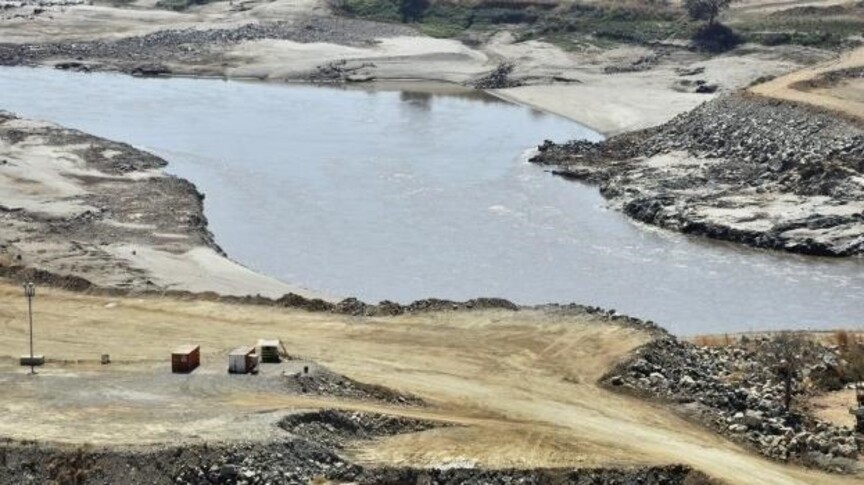
Egypt’s Position on Ethiopian Dams: A Stalwart Stance
Egypt’s Irrigation Minister, Hani Sewilam, has firmly stated that the country will not permit Ethiopia to construct new dams on the Nile River. His comments come against the backdrop of a protracted conflict surrounding the Grand Ethiopian Renaissance Dam (GERD). This ongoing dispute has significant implications for water management and regional relations, particularly involving downstream nations like Sudan and Egypt.
The Growing Tensions Over Dam Construction
Recently, reports surfaced suggesting that Ethiopia is considering the construction of three additional dams on the Nile, alongside the GERD, although Ethiopian officials have not confirmed this information. Minister Sewilam emphasized that while Ethiopia may have intentions to expand its hydropower capabilities, Egypt will not acquiesce to such plans. “It is well known that Ethiopia has plans to build new dams, but will the Egyptian state allow that? No,” he declared, underlining Egypt’s strong opposition at a press conference in Cairo.
Sewilam’s remarks highlight a critical concern: the need for a transparent and legally binding mechanism for sharing operational data regarding the GERD. This is essential for Egypt and Sudan to effectively plan for water usage and manage their own resources. The lack of accurate information about water releases from Ethiopia places Sudan in a precarious situation, hindering its ability to operate its dams or implement any water storage strategies.
The Implications for Sudan
The Egyptian minister pointed out that the absence of reliable data from Ethiopia complicates Sudan’s water management efforts. This lack of coordination means that Sudan cannot effectively respond to the water released downstream, which could lead to dire consequences. Sewilam placed the responsibility for any ensuing disruptions squarely on Ethiopia, stating that the country has failed to commit to a legally binding agreement that would facilitate necessary data sharing and collaboration with its downstream neighbors.
Egypt’s resolve to secure a legally binding agreement governing both the filling and operation of the GERD remains unwavering. The objective is to establish a framework that allows for regular information exchange, thereby balancing the interests of all nations involved and mitigating the risks associated with the management of shared water resources.
Ongoing Diplomatic Challenges
The tensions surrounding the Nile River are not new. Egypt and Sudan have long insisted that any discussions about the GERD must culminate in a legally binding trilateral agreement. This demand has been met with resistance from Ethiopia, which argues that such agreements are unnecessary and maintains that the dam will not adversely affect neighboring countries. The complexity of this situation was further exacerbated by a three-year hiatus in negotiations, which only resumed in 2023, only to stall again in 2024.
In summary, the Nile River, stretching approximately 6,650 kilometers and serving as a vital water source for 11 countries, remains a focal point of regional tension. As the parties involved navigate this tumultuous landscape, the stakes are high for all, particularly for Egypt and Sudan, who depend heavily on the river’s resources for their livelihoods and development goals.