
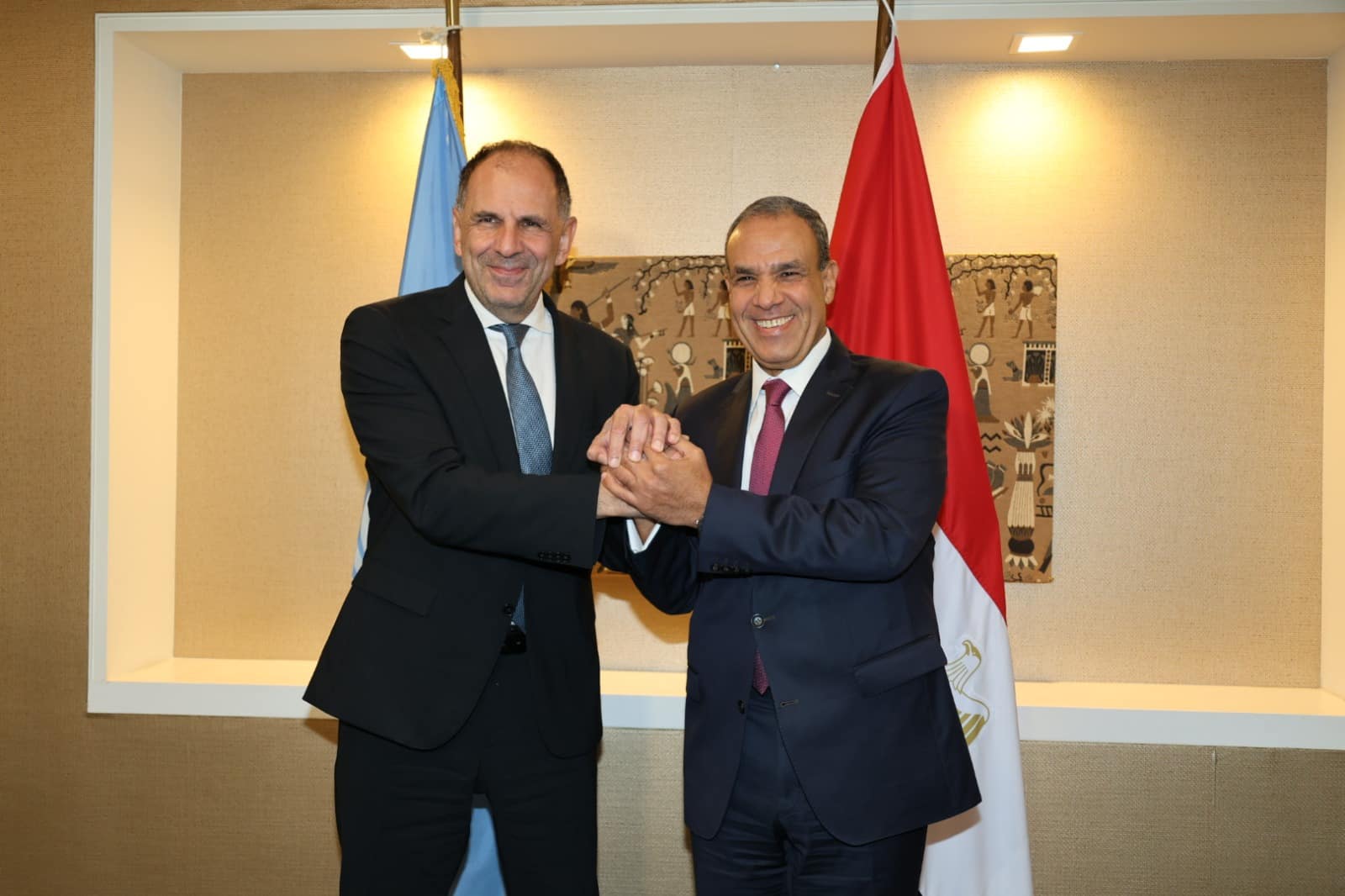
Egypt’s Foreign Minister recently reiterated Cairo’s firm stance against the ratification of the 2019 maritime agreement between Turkey and Libya during a meeting in Istanbul. This position was articulated by Badr Abdelatty in discussions with his Turkish counterpart, Hakan Fidan. Emphasizing Egypt’s commitment to international law, specifically the 1982 United Nations Convention on the Law of the Sea, Abdelatty underlined the importance of establishing maritime boundaries based on established regulations and norms. Fidan, in response, acknowledged Egypt’s concerns regarding the ongoing developments in Libya and voiced support for ongoing talks between the two nations.
Egypt’s Firm Stance on Maritime Borders
During the meeting, Badr Abdelatty reaffirmed Egypt’s dedication to preserving Libya’s territorial integrity as well as its state institutions. This interaction took place amidst broader diplomatic engagements in Istanbul, highlighting the importance of regional stability in the face of complex geopolitical issues. Calls for continued discussions signal a critical dialogue between Egypt and Turkey, aimed at addressing mutual concerns about the ramifications of proposed maritime agreements.
The Greece-Egypt Maritime Agreement
In contrast to the Turkey-Libya deal, Egypt has committed to a maritime agreement with Greece, signed on August 6, 2020, which aims to delineate an exclusive economic zone between the two countries. This accord underscores the competing maritime claims in the Eastern Mediterranean, where the status of islands plays a vital role in Greece’s maritime strategy. At the signing ceremony in Cairo, then-Greek Foreign Minister Nikos Dendias emphasized the agreement’s acknowledgment of the rights of Greek islands to a continental shelf and exclusive economic zone. The accord stands in stark opposition to the Turkey-Libya memorandum, which Athens has outright rejected.
Turkey has contested the validity of the Greece-Egypt agreement since its inception. The Turkish Foreign Ministry argued that it overlaps with areas Turkey claims, presenting its position as a protective measure for Libya’s rights rather than an established boundary or agreement. This objection highlights the complexities and competing interests that characterize maritime negotiations in the region.
Recent Diplomatic Developments
The Egyptian Foreign Ministry’s latest statement follows a series of consultations between Greece and Egypt on Libya that took place on October 15 in Athens. The discussions focused on supporting a UN-backed political process contributing to unified presidential and parliamentary elections in Libya. Both delegations underscored the need to unify Libya’s institutions and restore its national authority, marking an important step towards achieving stability in the war-torn nation.
Additionally, the discussions emphasized the necessity for foreign forces and mercenaries to vacate Libya, advocating for the respect of international law when determining maritime boundaries between nations. This collective stand indicates a strong commitment from both Egypt and Greece to maintain sovereignty and reinforce legal frameworks amidst a backdrop of complicated geopolitical dynamics.
The reaffirmation of Egypt’s rejection of the Turkey-Libya maritime agreement not only highlights Cairo’s strategic alliances with neighboring countries but also showcases the ongoing complexities of maritime law and regional diplomacy. In this context, the relationships and agreements between Egypt and Greece represent a crucial front in the overlapping interests of various regional powers in the Eastern Mediterranean. As tensions continue, the dialogue between these nations remains integral to regional peace and stability.