
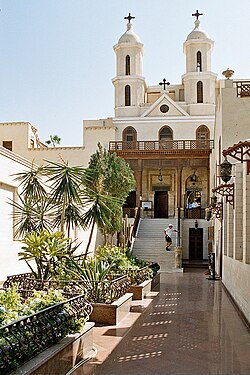
Christian leaders in Egypt are expressing optimism following the government’s recent initiative to officially recognize churches within the country. An executive order issued on May 19 paved the way for the legalization of 191 churches and their associated structures, marking a significant step forward in the freedom of worship for many communities.
Government Initiative to Recognize Churches
The Egyptian government’s decision to legalize these places of worship shows a commitment to fostering a more inclusive society. By acknowledging the presence of churches, the authorities are taking meaningful steps to ensure that religious minorities can practice their faith openly and securely. This move is a response to the calls from various Christian groups for more significant recognition and protection of their rights, contributing to a sense of hope among these communities.
Many Christian leaders have reiterated the importance of this executive order. They view it as an affirmation of their right to worship and a recognition of their contributions to Egyptian society. The legalization of these churches will not only strengthen their spiritual lives but also enhance their social integration. This proactive policy could transform the religious landscape in Egypt, creating pathways for interfaith dialogue and mutual respect among different religious communities.
Impact on Local Communities
The legalization of these churches is poised to have far-reaching effects on local communities. For many believers, accessing their places of worship has often been fraught with challenges, including bureaucratic hurdles and social resistance. With the government’s endorsement, congregations can now gather in designated spaces that are legally recognized, fostering community cohesion and spiritual growth.
Furthermore, this initiative opens avenues for increased charitable activities and social engagement. Churches often play a pivotal role in providing social services, including education and healthcare. With formal recognition, they can expand their outreach efforts, further benefiting local populations and enhancing community welfare. This shift can be pivotal in improving relationships between diverse ethnic and religious groups within Egypt.
Ongoing Challenges and Future Opportunities
Despite the positive developments, challenges remain for Christian communities in Egypt. While the government has taken steps to promote inclusivity, there are still societal tensions and, at times, localized resistance to the presence of churches. Ongoing dialogue among religious leaders, government officials, and civil society is essential to address these issues, ensuring that all religious groups are treated equitably.
Looking ahead, the recent progress should not be seen as an endpoint but as a foundation for continued advancements in religious freedoms. Christian communities are encouraged to remain engaged with government processes and to advocate for further legal reforms that enhance their rights. Ultimately, the recognition of churches is a vital aspect of the broader quest for religious harmony within Egypt, serving as a catalyst for greater acceptance and understanding between various faiths.
In conclusion, the recent governmental actions represent a historic stride toward improving the landscape of religious freedoms in Egypt. With ongoing cooperation and a commitment to dialogue, there is hope for a future marked by enhanced freedoms and mutual respect among the country’s diverse religious communities.