
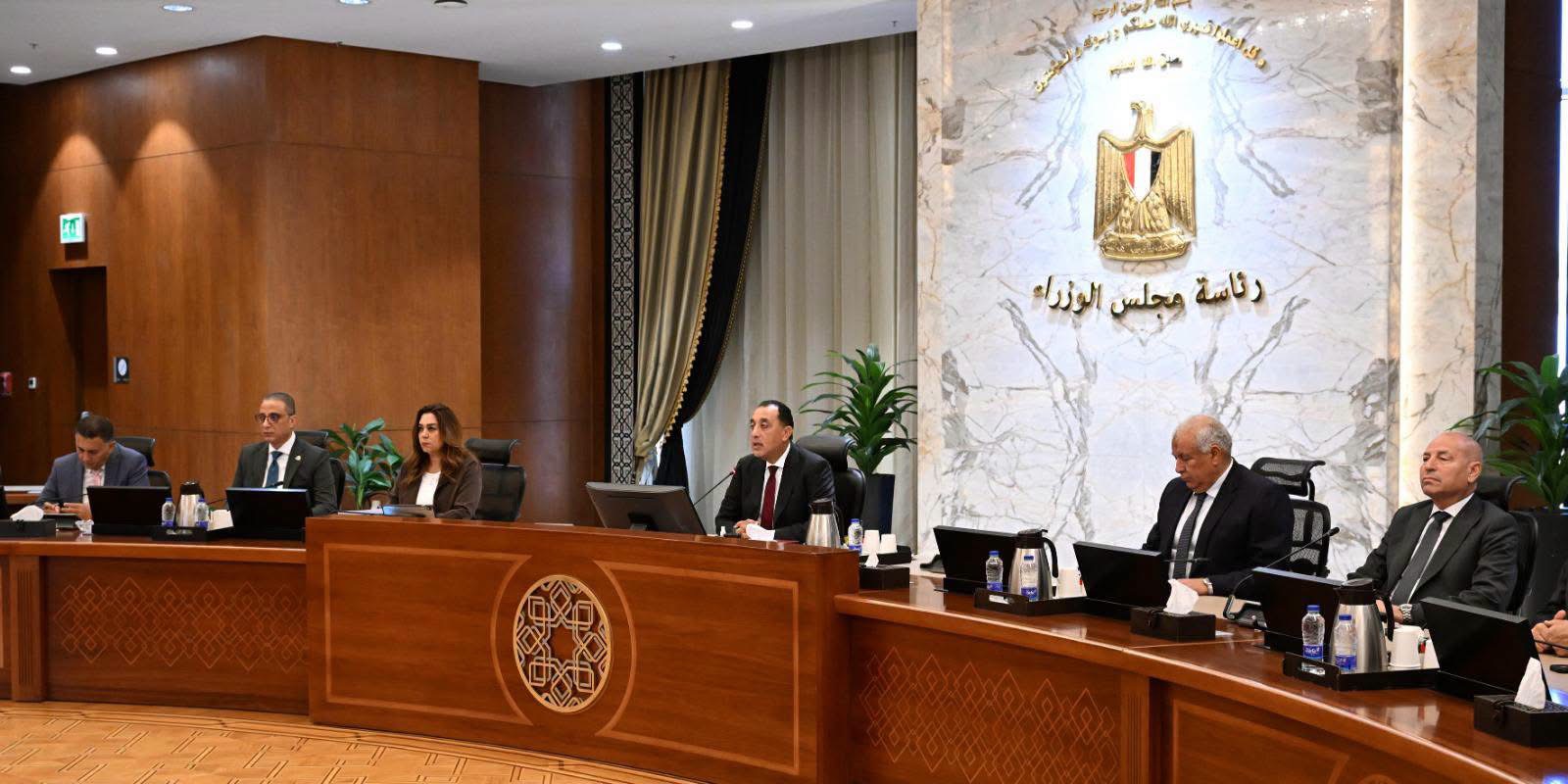
Egyptian Prime Minister Mostafa Madbouly has launched a significant initiative aimed at stabilizing prices for essential goods across the nation. Governors have been directed to ramp up market oversight and ensure that prices are clearly displayed as part of this six-month campaign focused on affordability and accessibility for citizens.
New Market Initiatives and Reduced Prices
During a recent assembly of the Governors’ Council held in the New Administrative Capital, Prime Minister Madbouly emphasized the establishment of permanent marketplaces in each governorate, complemented by a seasonal market program in partnership with the General Federation of Chambers of Commerce. This endeavor was set in motion on September 10, through the Ministry of Supply and Internal Trade, which is currently providing twelve essential commodities at discounted prices across 284 locations nationwide. In an effort to further benefit consumers, the offering will expand to include an additional eighteen items, eventually totaling thirty commodities available at lower costs throughout September, continuing until March 2027 and covering the month of Ramadan.
Environmental Policies and Waste Management
In addition to addressing economic concerns, Madbouly also underscored the importance of environmental regulations. A new decree prohibits tree cutting without explicit permission from the Minister of Local Development and Environment, Manal Awad. The initiative, labeled “Greening All Governorates,” aims to transform cleared areas into green spaces using treated water. It also includes plans for tree planting along major roads, city entrances, and internal road islands, guided by expert consultants.
Minister Awad introduced fresh directives for waste management, mandating that commercial establishments supply waste bins with a minimum capacity of 240 liters to curb street dumping. Illegal dumping sites will be shut down, while waste collection will now be restricted to certified transfer stations. Authorities will also engage civil society and small businesses to enhance waste management in rural areas.
Monitoring and Enforcement of Land Regulations
Minister Awad reported on “Wave 30” operations conducted to tackle land encroachments between August 29 and September 11, revealing the removal of 2,308 unauthorized buildings and 583 agricultural violations on state land. The spatial variables system identified and led to the removal of 1,889 additional buildings and 523 agricultural offenses. Furthermore, 1,353 encroachments on agricultural properties were addressed, along with 3,280 removals executed beyond the initial targets.
Emphasizing the need for comprehensive urban planning, Awad highlighted the importance of road paving in the upcoming 2026/2027 investment plans. She called for coordinated efforts to restore internal roads as part of the Decent Life presidential initiative and stressed the urgent need to settle outstanding debts to the Ministry of Electricity and the Holding Company for Water and Wastewater.
Community Engagement and Oversight
In preparation for the new school year, Prime Minister Madbouly instructed governors to oversee educational institutions closely and manage citizen complaints effectively through operational centers. He mandated a personal review by governors of critical issues such as street lighting, internal road maintenance, sanitation, and the management of transportation stations. This multifaceted approach is geared towards improving both infrastructure and public services, rationalizing electricity consumption in government facilities as part of the broader initiative to enhance living conditions across the country.
The meeting saw participation from notable governors including Major General Mohamed El-Zamlout of Matrouh, Ahmed El-Ansari of Giza, Ibrahim Saber of Cairo, Hossam El-Din Abdel Fattah of Qalyubia, and Walid Abdel Azim El-Barqi of the Red Sea, with several others joining via video conference. The collective commitment from all levels of government reflects a unified approach to tackling the challenges faced by the nation.