
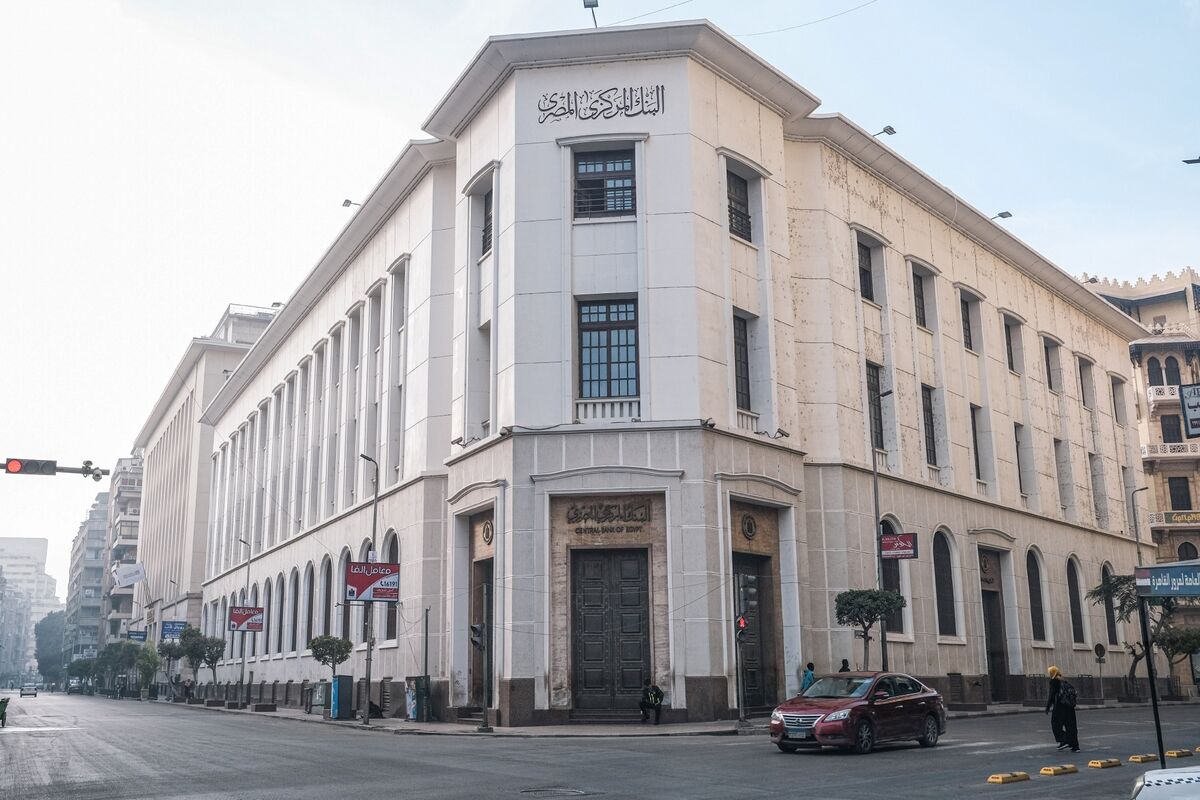
Egypt has decided to maintain its interest rates for the third consecutive meeting. This decision reflects a cautious approach amid ongoing geopolitical tensions, particularly concerning a fragile ceasefire between the United States and Iran.
Current Economic Climate
Egypt’s monetary policy remains stable, as the central bank chooses to keep interest rates steady. This decision comes in light of numerous uncertainties surrounding global economic conditions and domestic inflation rates. By not altering the rates, the central bank aims to provide a sense of stability for both investors and consumers during a time of increased volatility.
The decision is particularly significant given the delicate geopolitical situation involving the United States and Iran. Any escalation in conflict could impact global oil prices and subsequently affect Egypt’s economy. The central bank’s decision appears to be a protective measure to shield the nation from such external shocks that could destabilize the already fragile economic environment.
Inflation Trends and Domestic Impact
In recent months, Egypt has been grappling with rising inflation, which has affected the purchasing power of its citizens. By maintaining interest rates, the central bank is attempting to balance the need for economic growth with the requirement to keep inflation in check. Higher interest rates can curb spending and investment but can also deter foreign investment, which is crucial for Egypt’s economic recovery.
The decision not to hike rates reflects a commitment to supporting ongoing economic recovery while simultaneously being mindful of inflationary pressures. The central bank aims to create a conducive environment for investment while ensuring stability in consumer spending.
Investment Implications
Keeping interest rates unchanged has implications for both foreign and domestic investors. On one hand, stable interest rates can foster an environment of confidence, making Egypt an attractive destination for foreign investment. On the other hand, investors closely monitor geopolitical developments, such as the US-Iran ceasefire, which could influence their decisions.
Investors are urged to remain vigilant as any shifts in this delicate balance could lead to market volatility. A deteriorating situation could prompt the central bank to reconsider its current stance, raising rates to combat inflation if necessary. Understanding these dynamics is critical for making informed investment choices in Egypt’s evolving economy.
Conclusion
Egypt’s decision to maintain interest rates is a cautious approach aimed at navigating a complex economic landscape. By prioritizing stability amid external pressures, the central bank demonstrates its commitment to fostering a resilient economic environment. As the geopolitical landscape continues to evolve, stakeholders in the economy must remain aware of both domestic and international developments to make strategic decisions moving forward.