
Exploring the Dynamics of Faith and Freedom in Egypt
Recently, I had a conversation with Caleb, a Christian minister residing in Cairo. His experiences highlight the complex interplay between traditional beliefs and the growing influence of modern communication among Egyptian youth. In this landscape, the internet is reshaping their understanding of faith and identity, raising critical questions about freedom of belief in a predominantly Muslim society.
Understanding the Egyptian Demographics
Cairo is a sprawling metropolis with approximately 23 million inhabitants, including around 3.5 million college students. While many young people in Egypt are exploring their beliefs online, their engagement often leads them to question traditional views, especially as they contrast their understanding of Islam with Christianity. The rise of digital platforms allows these students the rare opportunity to freely express themselves and challenge the status quo. Yet, this freedom has a dark side; the government monitors internet usage closely, using it as a tool to enforce blasphemy laws and combat perceived cybercrimes.
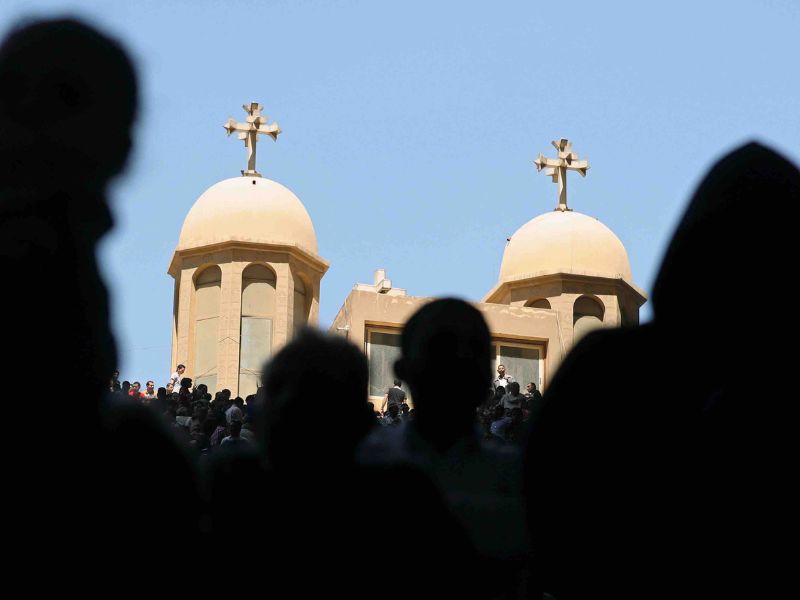
Egypt has a rich but tumultuous religious history. Once a flourishing center of early Christianity, it has undergone several phases of cultural and religious transformation. Today, around 10 percent of Egyptians identify as Christians, primarily from the Coptic Orthodox tradition. Coptic Christians, along with other minority groups, continue to face varying degrees of discrimination and persecution, despite Christianity being an integral part of Egypt’s historical narrative.
The Framework of Religious Freedom and Persecution
Egypt’s constitution asserts the absolute freedom of belief; however, the practical implications of this freedom are complex. While religious rituals and house-building for faith communities are legally protected, these rights become compromised when considered against the backdrop of Sharia law, which governs much of the legal framework in Egypt. This contradiction places immense obstacles before any individual wishing to convert to Christianity from Islam, as societal and familial pressures strongly discourage such choices. Those who dare to convert often do so in secret, facing significant risks from both their communities and authorities.
Furthermore, the legal system often weaponizes blasphemy laws, primarily targeting Christians. In many cases, individuals expressing beliefs contrary to state-sanctioned narratives online find themselves arrested due to vague and arbitrary definitions of blasphemy. The situation is exacerbated by a climate of fear where Muslims exploring other faiths face dire consequences, including ostracism or even violence.
The Role of the International Community and the Challenges Ahead
The international community’s response to Egypt’s suppression of religious freedoms is critical. Human rights organizations have consistently called on foreign governments, particularly the United States, to pressure Egypt into abiding by its commitments to upholding human rights, including freedom of expression and religious practice. However, despite widespread recognition of the ongoing abuses, real change remains elusive.
Egypt ranks as one of the higher nations for religious persecution, particularly against Christians, as noted in various reports and international watchdogs. Activists highlight that fostering an environment of dialogue would not only benefit Christians but also contribute to a broader understanding of human rights and freedoms within the country.
As we move forward, it is essential to advocate for the Egyptian populace, standing in solidarity with those seeking to practice their faith freely, while also fostering discussions and prayers for a society that truly embraces religious liberty.