
Egypt is actively working to strengthen its economic and commercial relationships with Eritrea, a move that aligns with its broader strategy to counter Ethiopia’s influence in the Horn of Africa. This effort highlights Cairo’s intention to isolate its rival amid ongoing tensions regarding water access from the Nile River.
Ongoing Nile Disputes
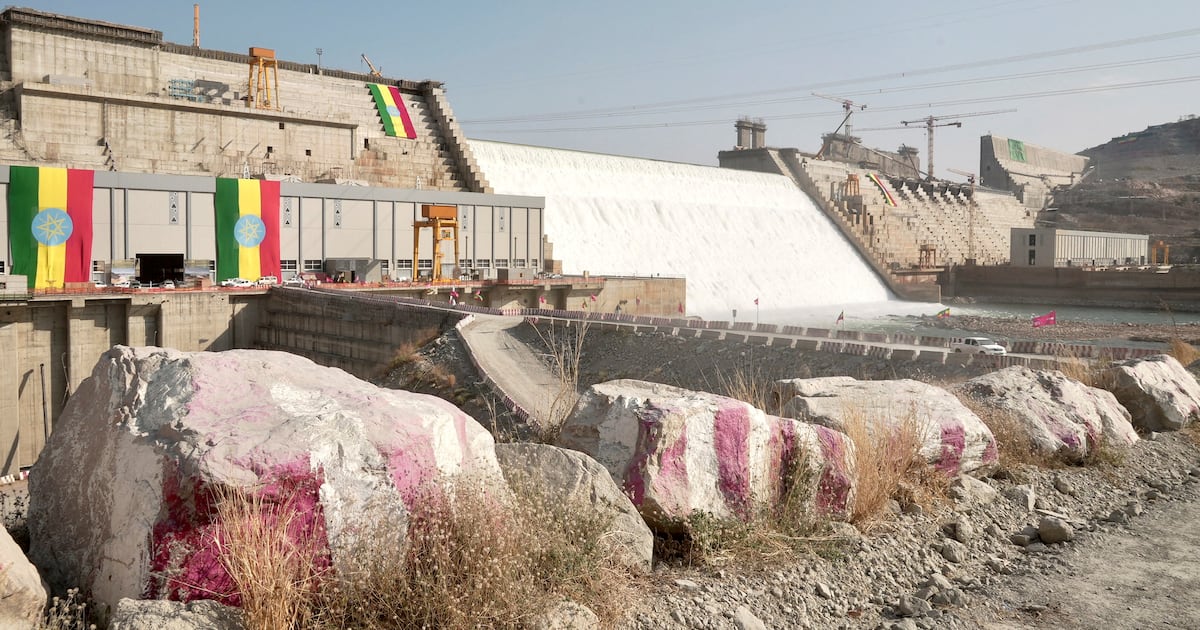
For over a decade, Egypt and Ethiopia have been embroiled in a contentious dispute regarding the Grand Ethiopian Renaissance Dam (GERD). Constructed by Addis Ababa on the Nile, this dam has ignited fears in Cairo over their dwindling water supply, which is vital for Egypt’s agriculture and overall survival. Despite years of talks between the two nations, they have yet to reach a mutually agreeable framework for the dam’s operations. Egypt’s concerns are compounded by the potential for Ethiopia to withhold water during droughts—an action that could devastate Egyptian agriculture and jeopardize food security for millions.
Egypt’s Diplomatic Efforts
Recently, Egyptian Foreign Minister Badr Abdelatty and Transport Minister Kamel El Wazir visited Eritrea for discussions with President Isaias Afwerki. Their meetings signaled Egypt’s commitment to reinforcing its connections in the region while addressing key geopolitical strategies. During these discussions, Abdelatty reiterated Egypt’s stance that the governance and security of the Red Sea should be exclusively managed by its bordering nations. This statement serves to counteract Ethiopia’s attempts to carve out a presence in the Red Sea through agreements with Somaliland, a semi-autonomous region in Somalia. Egypt regards such moves as threats to regional stability and Somali sovereignty.
Military and Economic Partnerships
Egypt’s proactive approach extends beyond diplomatic channels, as it has bolstered military and economic ties with several countries in the Horn of Africa. Cairo’s military engagement has been particularly focused on supporting the Sudanese military, which has been embroiled in conflict since 2023. By providing crucial backing, Egypt aims to prevent Sudan from succumbing to chaos, further destabilizing the region. Cairo’s strategies include enhancing infrastructure such as ports and roads in neighboring countries, securing naval facilities, and establishing a military presence.
Reports indicate that Egypt has already established bases in Djibouti and Eritrea and has deployed approximately 15,000 troops in Somalia. Much of this contingent is intended to stabilize the government and counteract any attempts by Ethiopia to influence Somali politics negatively. Egypt’s goal is clear: to prevent a regime shift that could yield a hostile administration in Mogadishu.
Strategic Gains and Challenges
The geographical positioning of Eritrea, Djibouti, and Somalia plays a crucial role in limiting Ethiopia’s access to the Red Sea. Egypt’s efforts have included negotiating control over key ports, such as Eritrea’s Asab port and Djibouti’s Doraleh port, both critical for Ethiopian trade. By upgrading these facilities, Egypt not only increases its influence in the region but also places additional pressure on Ethiopia.
However, despite Egypt’s tactical maneuvers, Ethiopia remains resistant to altering its approach in the ongoing water dispute. Tensions continue to simmer, and the potential for conflict over water resources remains a point of concern for all parties involved. Egypt must navigate these complexities carefully, balancing its need for regional cooperation with its longstanding apprehensions over water security and geopolitical stability.
In summary, Egypt’s diplomatic and military strategies in the Horn of Africa underscore its resolve to secure its interests amid escalating tensions with Ethiopia over the Nile. As negotiations and alliances shift, the dynamics of power in this crucial region remain unpredictable.