
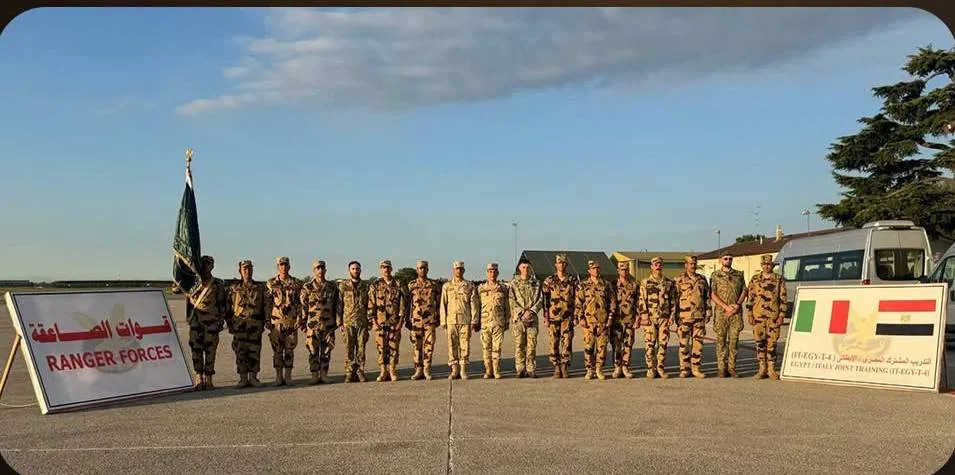
The Egyptian military recently disclosed plans for collaborative military exercises with Italy, which will take place in mountainous regions of Italy. This announcement comes shortly after an Italian court found three Egyptian security officials guilty in connection with the murder of Giulio Regeni, an Italian researcher. The timing of these exercises raises various questions about the diplomatic relations between the two countries.
The Context of the Exercises
The planned joint military drills are significant given the turbulent backdrop of Italy’s judicial decision regarding Regeni’s death. The young researcher went missing in Cairo in 2016 and was later found murdered, resulting in widespread outrage and a strained diplomatic relationship between Italy and Egypt. The military exercises could be perceived as a step towards restoring ties, but they also attract scrutiny due to the serious allegations against the convicted officials.
Impact on Diplomatic Relations
These military collaborations reflect a complex dynamic between Italy and Egypt. While on one hand, they signify a willingness to engage in mutual defense and training, on the other, they may be interpreted as a dismissal of the serious human rights concerns that have arisen from the circumstances surrounding Regeni’s murder. The joint exercises could smooth over tensions from the court’s ruling but may not alleviate the underlying issues regarding human rights that persist in Egypt.
Military Focus and Strategic Goals
The nature of the joint military exercises emphasizes skill enhancement, especially in challenging terrains, indicating a focus on better preparation for operations in diverse environments. Such drills are crucial for both countries, allowing them to strengthen their military capabilities. However, this cooperation also begs the question of how closely aligned their strategic goals are, especially concerning shared security threats.
The Future of Italy-Egypt Relations
As the military drills approach, the future of Italy-Egypt relations remains uncertain. Enhanced military collaboration might present opportunities for both nations to align their strategic interests, yet the shadow of human rights abuses and judicial outcomes looms large. Observers will be closely monitoring how these developments will impact diplomatic negotiations, as well as the broader implications for international relations between Western nations and Egypt.
In summary, the recent announcement of joint military exercises between the Egyptian military and Italy symbolizes both potential cooperation and ongoing challenges. Italy’s judicial response to human rights violations contrasts sharply with military collaboration, leaving a complex situation that could influence diplomatic efforts moving forward.