
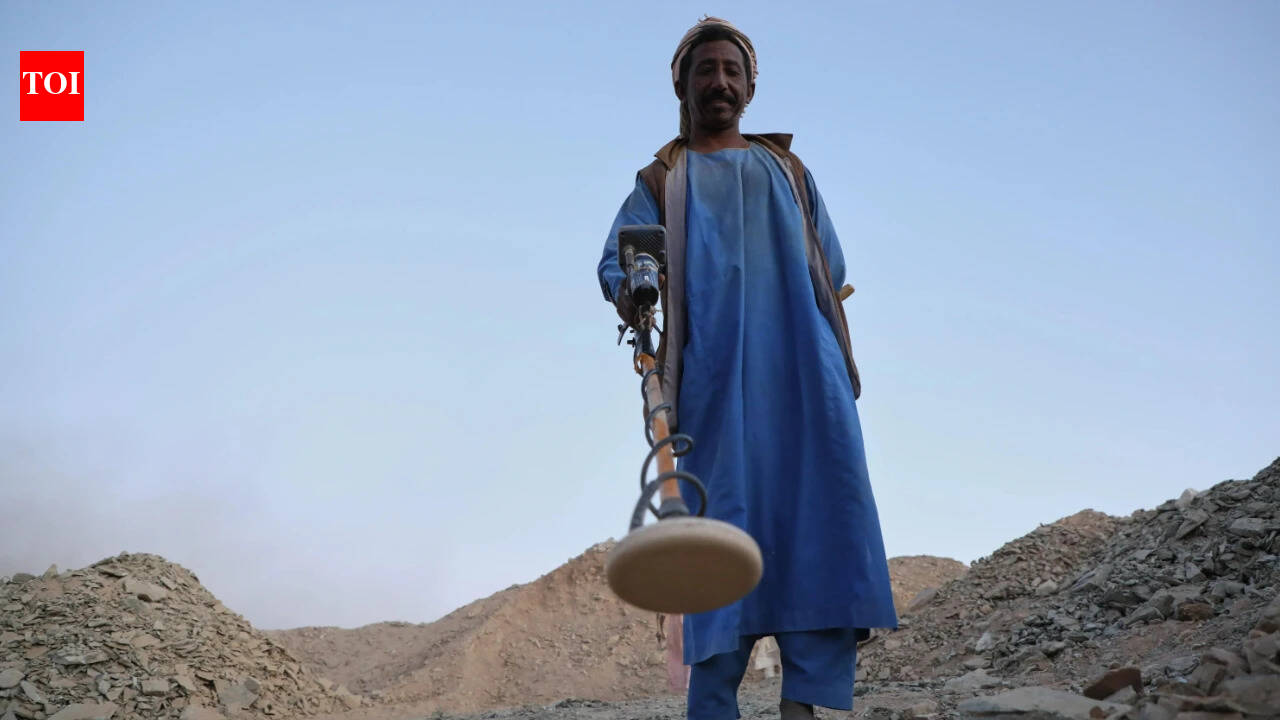
An airstrike in the border region where Sudan, Egypt, and Libya converge has resulted in multiple casualties, highlighting the ongoing volatility in this area. Initial reports have confirmed at least 13 fatalities, with many more injured among the artisanal gold miners who were targeted. This incident raises significant concerns regarding the safety of individuals involved in resource extraction under precarious conditions.
Reported Casualties and Claims
The Sudan Doctors Network indicates that the number of deceased could rise as many individuals sustained severe injuries, and healthcare access remains limited. Reports from the Emergency Lawyers claim that over 72 miners lost their lives in the attack. Meanwhile, the Egyptian military has not directly acknowledged involvement in the strike but mentioned conducting operations against illegal gold mining activities within its territory during this time. Independent verification of these claims remains challenging, as various reports present differing accounts of the event’s scale and implications.
Survivor Accounts and Warnings
According to the Sudan Doctors Network, Egyptian authorities had previously warned miners to leave the area, which has raised alarms about civilian safety amidst the ongoing military campaigns. Survivor Abdel-Aziz Yousef provided an account, stating that an unidentified aircraft targeted the artisanal gold mine, resulting in numerous casualties. Another miner, Sharaf Ali, noted the chaos that ensued post-strike, with individuals scattering in different directions to escape harm, complicating casualty reporting. Emergency Lawyers reiterated the seriousness of the situation, indicating widespread fear and confusion as more miners were either killed or wounded.
Context of Conflict and Economic Implications
This tragic incident occurs within the broader context of the civil war between the Sudanese Army and Rapid Support Forces (RSF), which has devastatingly affected the region since April 2023. The conflict has led to significant loss of life and displacement, deepening the humanitarian crisis. The airstrikes were reportedly aimed at artisanal gold miners located in a contested area south of the Halayeb triangle, a region recognized for its mining activities as well as illegal trade and human trafficking. Local organizations, including the Sudan Doctors Network, have expressed fears that the ongoing violence will lead to increased casualties and that healthcare access will remain critically scarce in the aftermath of such violent events.
The Halayeb triangle is a focal point of contention between Egypt and Sudan, and its inherent resource wealth often places civilian populations in danger as military operations intensify. The airstrike is just one of many such occurrences noted this year, raising alarm over the potential for further military escalation and its implications on local communities heavily reliant on mining for their livelihoods. As tensions remain high, the risks faced by vulnerable populations in this volatile border zone continue to grow, calling for urgent humanitarian assistance and effective oversight to protect civilians amidst ongoing conflict.