
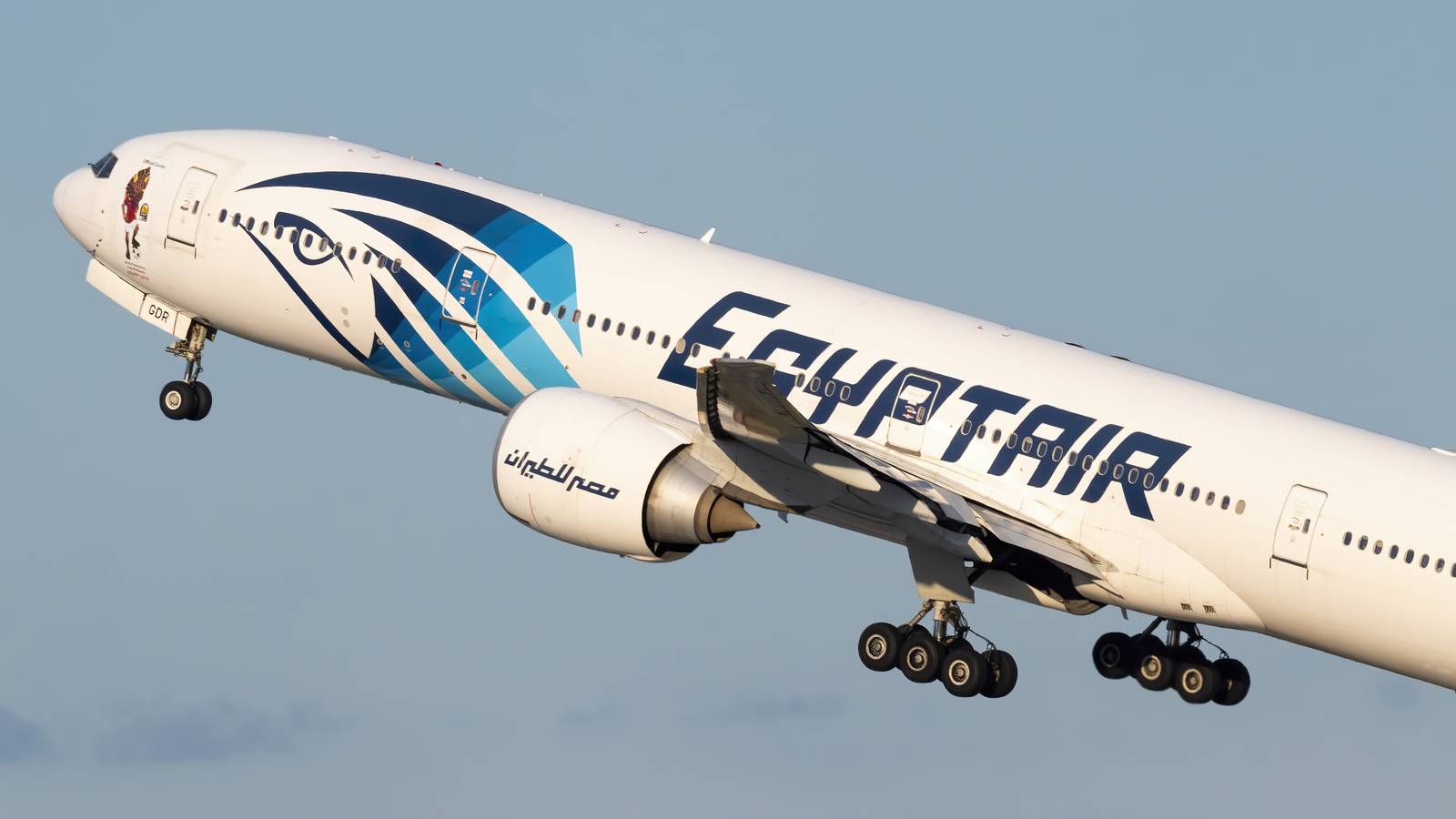
The 2026 FIFA World Cup, co-hosted by the United States, Canada, and Mexico, has already marked a series of groundbreaking moments. While many of these moments unfold on the field, off-pitch incidents have also captured significant attention. A prime example occurred shortly after Egypt celebrated its historic first World Cup victory, where they made a remarkable comeback to win against New Zealand 3-1. However, the excitement of victory was dampened by a logistical hurdle.
Egypt’s Travel Challenges Ahead of the Crucial Match
United States security officials denied the Egyptian national team permission to fly directly from Vancouver to Seattle, where they have an important group stage match against Iran scheduled for June 26th. Instead, the Egyptian squad is compelled to return to their training base in Spokane, Washington, to prepare for the match later this week. This unexpected travel arrangement could hinder their performance right before a significant encounter that could decide their standings in the tournament.
Less than 24 hours after achieving their first-ever World Cup win, the Egyptian team had hoped to stay in Seattle for extra practice and to minimize travel fatigue. The team submitted a request for this itinerary, but security officials ultimately turned it down. The situation has become even more pressing as the Egyptians currently lead Group G with four points, and the upcoming clash with Iran is essentially a must-win for both teams.
Logistical Issues Amid World Cup Glory
In an official statement, Egyptian coach Hossam Hossan expressed his disappointment over the travel decision, highlighting the impact of travel fatigue on team morale and performance. With their tournament history on the line—this is only Egypt’s fourth World Cup—every moment of preparation is crucial, especially since they haven’t advanced past the group stage since their debut in 1934.
Regarding their transportation, Egypt has chosen Spokane as their training base, which is situated about 280 miles east of Seattle. Like many teams at the World Cup, they have been utilizing specially chartered flights for match travel. For instance, to reach Vancouver, the squad flew on a Breeze Airways flight from Spokane International Airport. The flight departed on June 19th and lasted less than an hour—a brief interval yet significant within the high-stakes environment of World Cup play.
As they depart for Spokane instead of Seattle, it remains unclear how they will reach their next destination. Traveling by air from Spokane to Seattle takes about an hour, while a road trip could extend to roughly four hours.
Other Teams Encountering Travel Complications
Egypt isn’t the only national team facing travel difficulties during the tournament. The Iranian national team has been subject to even more stringent logistical restrictions. They have been training in Tijuana, Mexico, due to a denial of permission to establish a training base in the United States. As a result, they are forced to commute to each match and return to Mexico the same day, regardless of the time of their games.
Iran’s manager, Amir Ghalenoei, has vocalized the challenge these restrictions present, stating that they complicate the team’s ability to prepare effectively. This scenario underscores the severe impact travel arrangements can have on a team’s World Cup journey. Comparatively, while Egypt’s circumstances are certainly disappointing, the Iranian squad faces an extraordinarily challenging situation that further complicates their tournament efforts.
As both teams gear up for their upcoming clash, all eyes will be on how these logistical hurdles affect their performance on the international stage.