
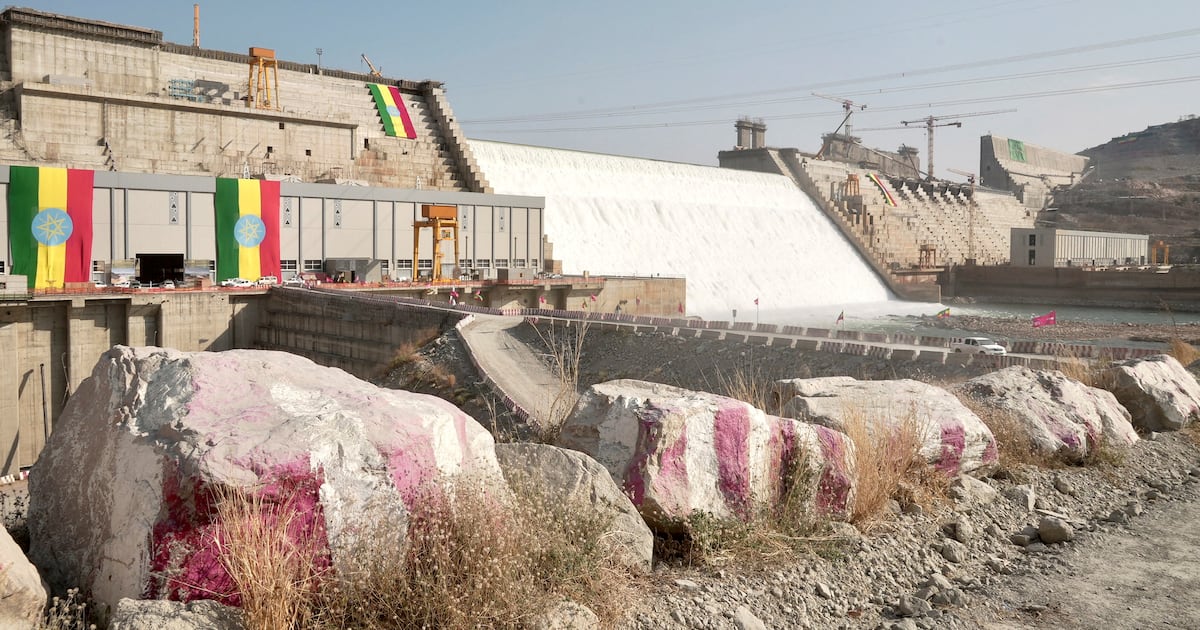
Egypt is currently facing heightened tensions regarding Ethiopia’s intentions to construct three additional dams on the Nile River. The situation has escalated to the point where Egyptian officials are contemplating various responses, including military options. The Nile is a vital lifeline for Egypt, which relies on its waters for nearly all its freshwater needs.
The Importance of the Nile for Egypt
Home to roughly 110 million people, Egypt remains the most densely populated country in the Arab world, with its populace heavily reliant on the Nile for freshwater resources. Any potential reduction in its water supply is a cause for significant concern. Egypt has already been impacted by the construction of the Grand Ethiopian Renaissance Dam (GERD), prompting fears of further declines in water availability due to Ethiopia’s ambitious development projects along the river.
The completion of the GERD last year has raised alarms in Cairo, although initial assessments suggest that its filling has not drastically affected Egypt’s water quotas, attributed mainly to favorable rainfall in Ethiopia. However, experts warn that prolonged drought conditions could severely disrupt this delicate balance. Egyptian officials express skepticism towards Ethiopia’s assurances that the dam does not threaten their water rights, which they view as a potential pretext for monopoly over the Nile’s essential resources.
Military Options and Diplomatic Challenges
A government spokesperson reiterated the perception that Ethiopia’s actions suggest a strategy to dominate the Nile, fundamentally threatening the rights of Egypt and Sudan, the two downstream nations. While the Egyptian government maintains that diplomatic avenues are the preferred route for resolution, rhetoric from various media sources and government figures indicates that military intervention is a possibility if Ethiopia proceeds with its plans.
President Abdel Fattah El Sisi has publicly dismissed military action against the GERD, emphasizing diplomacy as the primary course of action. Nonetheless, growing nationalist sentiment is pushing the narrative that military intervention could be justified when national security is at stake. With Egypt’s military recognized as one of the largest available forces in the region, the stakes are high as officials seriously contemplate their next moves.
Negotiations and Regional Tensions
Over a decade of negotiations involving Egypt, Sudan, and Ethiopia has yielded minimal progress toward a binding agreement on the management of the GERD. Current circumstances have further complicated matters, notably amidst an international landscape with shifting alliances and attention. The United States has offered mediation assistance but has yet to make significant strides in resolving the dispute.
As tensions mount, public discourse has also escalated on social media, showcasing visuals of Egypt’s military capabilities. Egyptians passionately express their resolve to prevent Ethiopia from constructing any additional dams, with strong statements reinforcing that action will be taken against such threats. Experts within Egypt stress the urgency of the situation, warning that silence is not an option for the government if Ethiopia moves forward with its plans.
In conclusion, the potential construction of new dams by Ethiopia poses an existential threat to Egypt, which has made considerable investments in water conservation and management initiatives in response to these challenges. Given that Ethiopia plans to increase its water storage capacity significantly, the ramifications for both Egypt and Sudan are dire, prompting a national dialogue on appropriate responses to safeguard Egypt’s critical water resources.