
The ancient practices surrounding burial rites in Egypt continue to captivate and perplex historians and archaeologists alike. Recent discoveries at the royal cemetery of Umm el-Qa’ab have reignited debates regarding the potential sacrifice of servants for their ruling kings. A comprehensive study conducted by bioarchaeologist Roselyn Campbell, published in Frontiers in Environmental Archaeology, indicates that evidence from skeletal remains might support the theory that some servants were indeed sacrificed upon the death of their rulers.
Examination of the First Dynasty Royal Cemetery
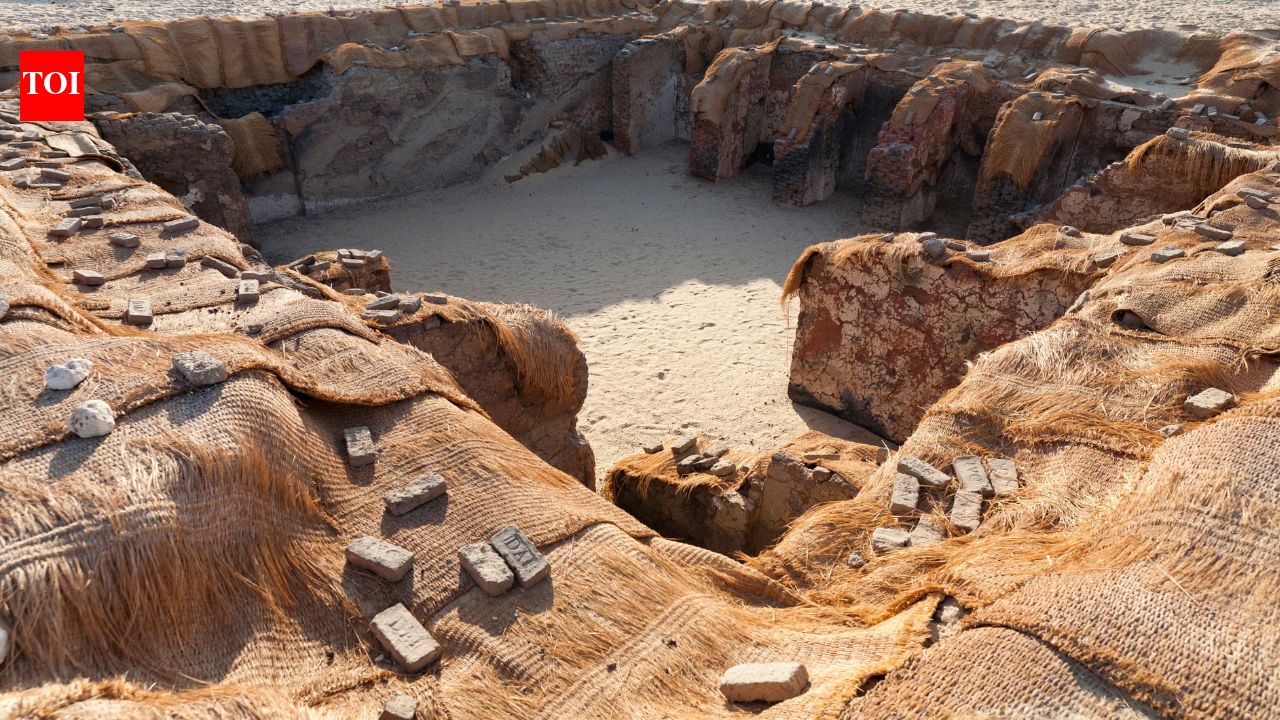
The royal cemetery at Umm el-Qa’ab, which dates back roughly five thousand years, serves as the resting place for the kings of Egypt’s First Dynasty. Alongside the grand tombs lie hundreds of smaller graves believed to belong to royal household members, officials, and craftsmen. This recent analysis revisits the work of the renowned Egyptologist Flinders Petrie, who excavated many of these graves in the 1920s, enabling researchers to glean insights into the burial practices of this ancient civilization. The study focused on forty-six skulls, all part of the Duckworth Collection at the University of Cambridge, marking a significant step in bioarchaeological research.
Potential Evidence of Sacrifice in Skull Analysis
Campbell’s analysis reveals that 39% of the examined skulls exhibited injuries consistent with causes of death around the time of burial. The most widespread injuries were linear fractures atop the skull, alongside other notable wounds, including a penetrating injury near the eye. These findings contrast sharply with the more traditional portrayals of kings defeating foes with maces, as the linear fractures suggest a different nature of violence, likely with blunt objects. This study marks a pivotal move away from conjecture, utilizing modern forensic techniques to differentiate between post-mortem damage and injuries inflicted at or near the time of death.
Historical Oversights in Excavation Techniques
Petrie’s earlier assessments ultimately led to oversights regarding signs of trauma on the bones. He speculated that these individuals might have been buried alive or naturally perished. However, Campbell argues that there were indeed visible fractures, which Petrie may have misidentified as artifacts of burial conditions. The current study employs advanced forensic methodologies, which help identify fresh injuries and conclude that the arrangement of the skeletons does not support the notion that anyone was buried alive.
The Broader Implications and Perspectives on Human Sacrifice
Despite compelling evidence, Campbell notes the limitations of her findings. The study’s skull sample represents only a fraction of the total burial population. Experts such as Salima Ikram and Dawn McCormack acknowledge the possibility of retainer sacrifice, drawing parallels with other cultures and epochs. They suggest that while some individuals may have willingly accepted their fates, others could have resisted, highlighting the range of human responses toward such a grave practice.
This exploration of ancient Egyptian rites also marks a larger trend toward reevaluating historical artifacts with modern techniques. As seen at other significant ancient sites, fresh assessments can challenge longstanding beliefs about human sacrifice and burial practices. Campbell’s findings call for a reevaluation of archival material from excavation sites, emphasizing how contemporary techniques can enhance our understanding of ancient civilizations and their complex belief systems.