
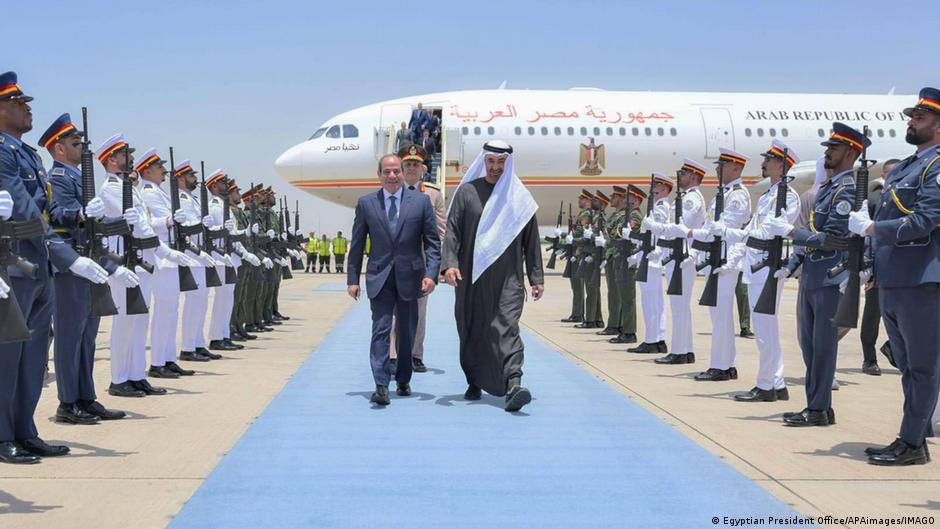
The ongoing tensions among the United States, Israel, and Iran have placed Egypt in a challenging position. As a strategic ally to both U.S. forces and Gulf states, Egypt’s foreign policy decisions are increasingly scrutinized. In early 2026, Cairo was hinting at resetting its relations with Iran, complicating its diplomatic balance.
Egypt’s Balancing Act
Egypt’s geopolitical stance is heavily influenced by its historical ties, notably the 1979 Camp David Accords with Israel. This alliance places Cairo in a unique yet precarious position; it must navigate its commitments to U.S. and Gulf interests while advocating for its position in the Middle East. Publicly condemning Iranian actions while providing limited military support showcases Egypt’s effort to mediate tensions between Tehran and Washington. President Abdel-Fattah el-Sissi is particularly wary of the implications that any escalation in conflict might have on internal stability, prioritizing domestic security over regional alliances.
However, this cautious approach has led to friction with Egypt’s Gulf partners. These nations expect tangible support in their struggles against Iranian provocations. Expert analysis indicates a rising discontent among Gulf leaders towards Egypt’s hesitancy. Anwar Gargash, the UAE’s foreign policy advisor, recently expressed frustration, emphasizing that a supportive stance was particularly necessary in times of crisis.
Economic Implications
Egypt is feeling the economic ramifications of the ongoing conflict with Iran. The recent uptick in Houthi attacks in Yemen has disrupted shipping in critical routes like the Red Sea and the Suez Canal. Consequently, revenues from the Suez Canal have plummeted by 38% in early 2026, according to the International Crisis Group. The decline is particularly disheartening, as Egypt’s economy had only recently begun to recover from the challenges posed by the COVID-19 pandemic, conflicts in Ukraine, and the Gaza situation.
Financial support remains essential for Egypt’s recovery, heavily reliant on Gulf investments. The Gulf states, having previously made significant economic contributions to Egypt’s recovery, are now facing their own financial strains due to the regional conflict. The interconnected nature of these economies means that Cairo’s fiscal health is at risk if its allies cannot sustain their support.
Furthermore, tourism, a vital revenue stream for Egypt, is also declining due to the unrest and increasing energy prices, leaving many Egyptians concerned about the lifting of previous economic gains.
Growing Diplomatic Pressures
As tensions escalate, the U.S. is exerting further diplomatic pressure on Egypt. Reports indicate that U.S. President Donald Trump has urged various Middle Eastern nations, including Egypt, to normalize relations with Israel as part of broader negotiations aimed at containing Iran. Egypt’s existing treaties with Israel make it a significant player, but deepening cooperation with Israel is not a straightforward decision.
New developments in the Gaza conflict have exacerbated this complexity; Egypt is concerned that a power shift in the region could embolden Israel further. The alignment of Egypt’s foreign policy with U.S. objectives may not only strain domestic stability but could also evoke resentment toward U.S. and Israel policy in the Arab world.
Political Dissent and Public Sentiment
Domestic public opinion also complicates Egypt’s stance. A considerable segment of the population sympathizes with Iran, viewing it as a defender against perceived U.S. aggression. This reality has led to a crackdown on public demonstrations, as the government tries to suppress dissent. Since the onset of the Gaza war, any public expressions of discontent have been swiftly curtailed by authorities.
Even while trying to maintain a balance internationally, the Egyptian government faces criticism for its oppressive policies. With thousands imprisoned and limited media freedom, the ruling administration struggles to quell discontent while navigating a volatile regional landscape. The combination of external and internal pressures poses significant challenges for Egypt as it seeks to define its role amid these growing uncertainties.