
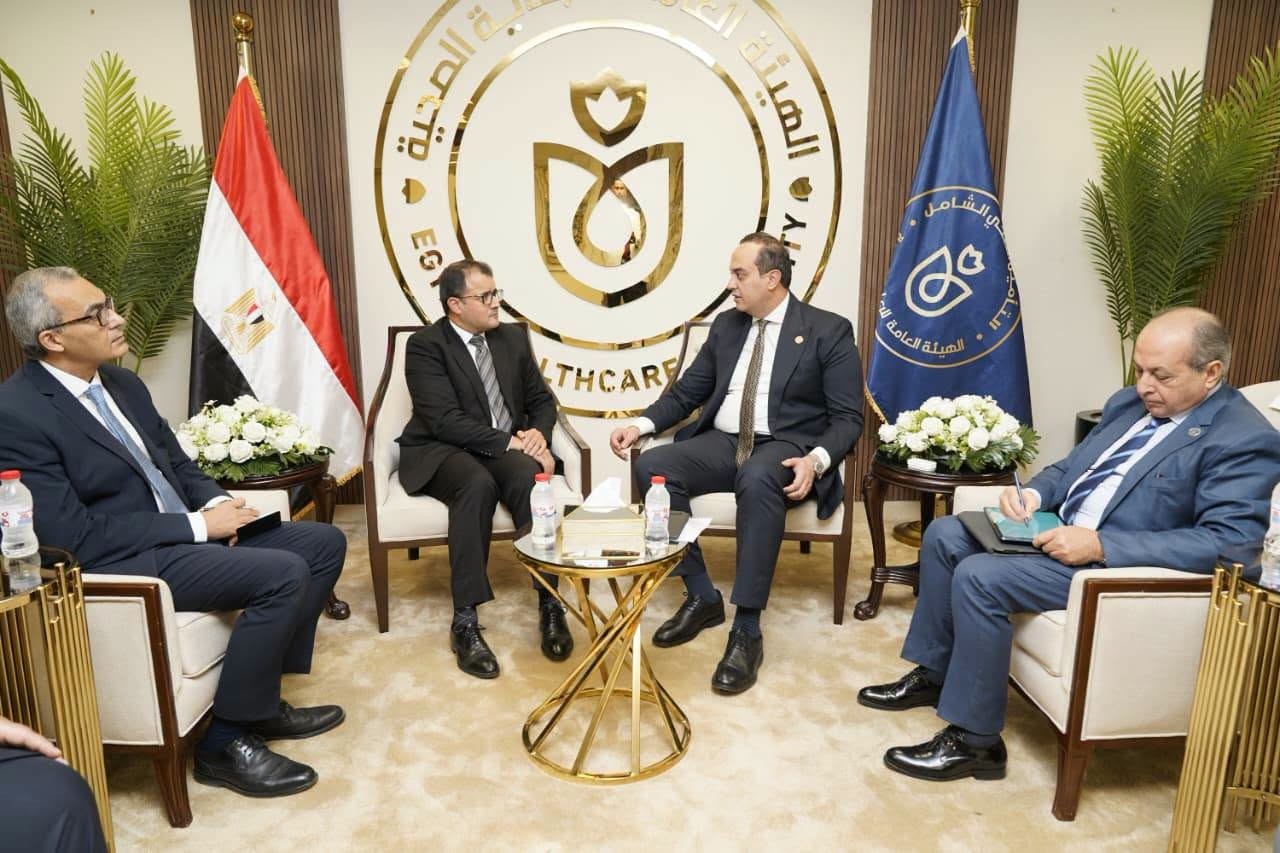
The recent meeting between Ahmed El-Sobky, Chairperson of the Egypt Healthcare Authority, and Mohamed Sherif, Assistant Foreign Minister for African Affairs, marks a significant step towards enhancing health and investment collaborations with African nations. Their discussions aim to showcase Egyptian medical expertise, support health diplomacy efforts, and promote medical tourism across the continent.
Strengthening Health Initiatives in Africa
One of the main topics of the meeting focused on Egypt’s rich experience with its comprehensive health insurance system. The pair explored ways to transfer this expertise to other African nations, thereby solidifying Egypt’s role in promoting health services across the continent. According to El-Sobky, this initiative seeks to create new partnerships that will benefit both Egyptian investors and healthcare systems in the Nile Basin and the Horn of Africa.
El-Sobky drew attention to the readiness of the Egypt Healthcare Authority to initiate a series of health projects aimed at improving healthcare in neighboring regions. By leveraging Egypt’s strong background in managing healthcare facilities and implementing quality standards, these efforts will be tailored to meet the unique needs of individual countries. The authority’s goal is not just to provide immediate support but to enable sustainable health systems that empower local medical personnel.
The Role of the Virtual Hospital
During the talks, El-Sobky highlighted the significance of Egypt’s virtual hospital, hailed as the first of its kind in Africa and the largest in the Middle East. This innovative facility serves as a strategic asset for Egyptian initiatives, offering remote consultations, specialized training, and an exchange of expertise. By connecting African health institutions with Egyptian medical professionals, this platform not only broadens access to high-quality healthcare but also underscores Egypt’s commitment to regional cooperation.
The discussions also ventured into the promising domain of medical tourism. El-Sobky and Sherif reached a preliminary agreement to create a joint working document in collaboration with the Ministry of Foreign Affairs. This document aims to outline a program that facilitates discounted medical treatments for African patients in Egypt under the initiative “We Care for You in Egypt.” This program intends to identify key markets and medical services, thus paving the way for a more accessible healthcare model for interested African nations.
Building Strategic Partnerships for Future Growth
Ambassador Sherif emphasized that medical and economic diplomacy are crucial to fortifying Egyptian-African partnerships. He mentioned the importance of customizing development and investment opportunities according to the distinct economic and social landscapes of each region while simultaneously aligning them with Egyptian capabilities. This approach is geared towards fostering deeper cooperation in the healthcare sector while also enhancing existing economic ties.
Moreover, Sherif highlighted the longstanding reputation of Egyptian medical services and educational institutions in Africa, which creates ample opportunities for attracting patients and building robust relationships with local health bodies. He stressed the necessity for an organized international marketing strategy that showcases the competitiveness of Egyptian medical services, allowing them to stand out in targeted markets.
To turn these strategies into reality, Sherif insisted on the need for integrated institutional coordination. This would involve streamlining visa processes, enhancing air travel connectivity, and offering comprehensive treatment and accommodation services to make patient movement smoother between Egypt and African countries. The new working paper will serve as a blueprint for identifying priority nations, setting implementation pathways for discounted treatment programs, and exploring new healthcare alliances, all while keeping patient and medical personnel mobility in focus.