
Egypt is undergoing significant economic challenges, marked by a sharp increase in its debt, which amounted to approximately $163 billion by March 2026. With annual interest payments estimated at $8 billion, the country faces a daunting fiscal landscape. These debt obligations strain foreign exchange and budget resources, limiting the government’s ability to pursue new development initiatives, particularly from international financiers. Historically, Egypt has relied on external funds—through foreign assistance and International Monetary Fund (IMF) loans—to stabilize its economy.
The Shift to Land Monetization
In response to its mounting debt crisis, Egypt has shifted its strategy from borrowing for infrastructure projects to monetizing public land. This new approach involves partnering with both Arab and Chinese investors, leveraging state-owned land as equity in development projects. Since 2015, Egypt has made significant strides in this area, where foreign capital is exchanged for access to land, allowing countries like China and the UAE to contribute the necessary investment. Once these projects are operational, revenue generated is shared based on pre-established agreements, effectively transforming land into a vital economic asset.
Despite the significant scale of these land monetization endeavors—some of the largest globally—their success will ultimately depend on the clarity of financial agreements and the partnering entities’ commitments. Notably, the World Bank has endorsed this approach by appointing the International Finance Corporation (IFC) to assist Egypt in its asset monetization initiatives, indicating a focus on structured support for emerging markets.
Challenging Economic Landscape
Economic indicators reveal that around 30 percent of Egyptians live below the national poverty line, exacerbated by high unemployment rates, albeit officially registered at just over 6 percent. Data shows that informal employment comprises about 67 percent of the labor market, suggesting that many potential job seekers have given up hope of finding formal employment. The land monetization strategies may provide a temporary respite by generating job opportunities during and after project development, addressing the pressing unemployment issue. However, the complementary growth in population complicates these efforts, as job creation may not keep pace.
The devaluation of the Egyptian pound has compounded the economic crisis, plummeting from 0.70 EGP to the dollar in 1988 to around 53 EGP today. This drastic change reflects heavy reliance on imported goods and skyrocketing external debt. Recent fluctuations in currency value have been driven by various external factors, including global crises, most notably the war in Ukraine, which has put upward pressure on energy prices and substantially impacted the tourism sector.
How Land Monetization Functions
A prime example of this new economic strategy is the Ras el-Hekma development, where Egypt allocated an estimated 40,600 acres of land along its Mediterranean coast. With the UAE’s ADQ sovereign wealth fund pledging about $35 billion, this investment represents the largest foreign direct investment deal in Egypt’s history. Such arrangements benefit Egypt by providing immediate cash inflows, enhancing foreign currency reserves, and ultimately improving the country’s fiscal health.
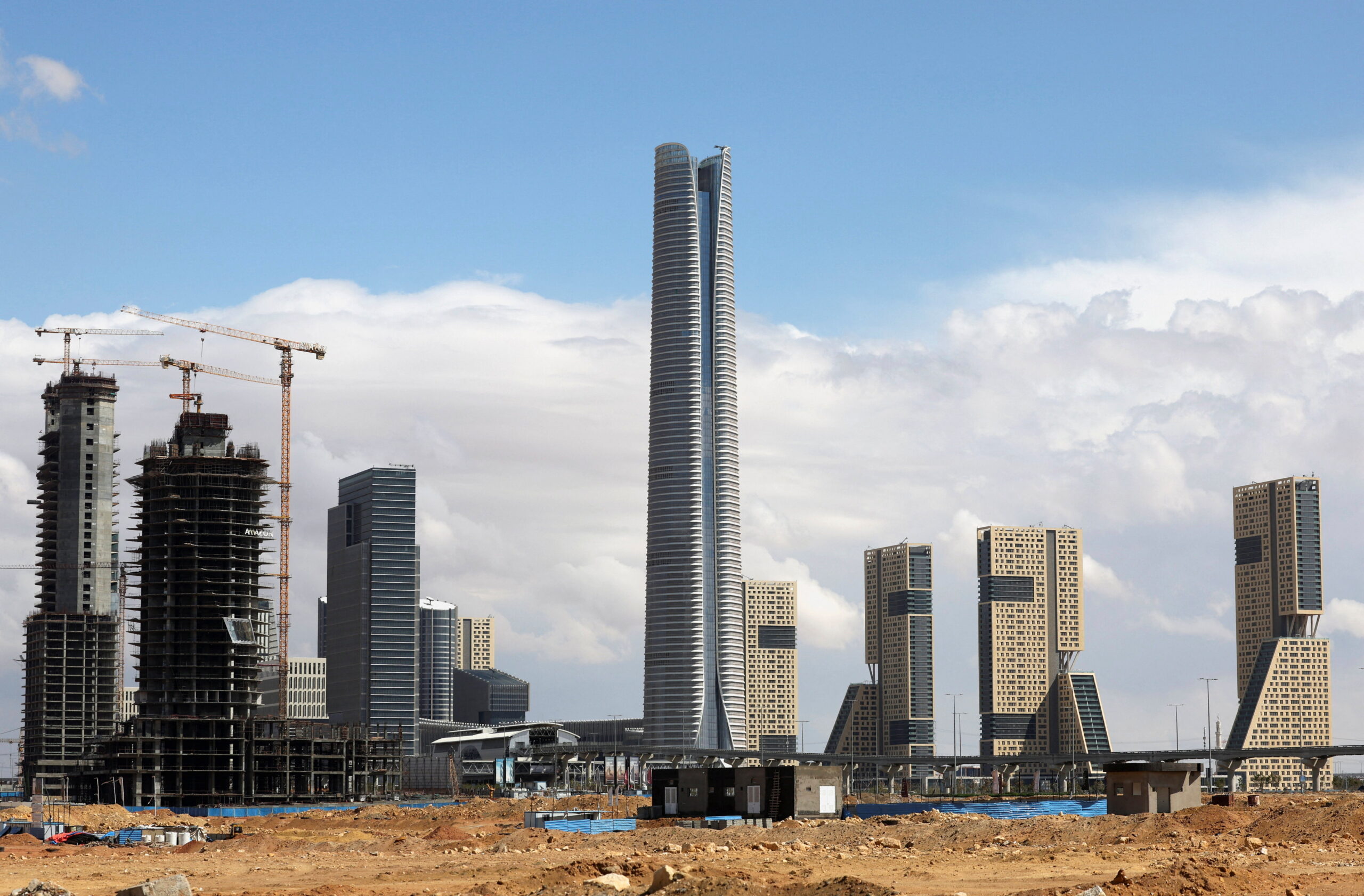
Other noteworthy projects include cooperation with Qatari investors for the Alam el-Aroum development and the New Administrative Capital (NAC), designed to alleviate congestion in Cairo by establishing new commercial hubs. These projects leverage foreign investment to overcome infrastructure deficits without adding to Egypt’s debt load.
Assessing the Future
While land monetization may provide a temporary solution, the reliance on foreign capital can limit Egypt’s economic autonomy, particularly regarding development priorities. China’s strategic interest in these collaborations further complicates the landscape, as does the financial involvement of Saudi Arabia and the UAE, which view Egypt as a key stabilizing force in the region.
Ultimately, while land monetization can alleviate some financial pressures, sustained economic recovery will require deeper structural reforms. As Egypt navigates its financial challenges, it must balance the immediate benefits of monetization against the long-term economic stability that can only be achieved through comprehensive policy interventions and fiscal reforms. Without tackling these underlying issues, Egypt risks becoming overly dependent on foreign investment, which may not yield lasting benefits for its economy.