
This week, Egypt marked a significant step forward in its quest for energy independence, as reported by state media. The African Energy Forum in Cape Town saw Cairo announce an unprecedented single solar supply agreement, potentially the largest in Africa’s history.
A Boon for Renewable Energy in Egypt
This ambitious initiative entails constructing an extensive solar project in the Minya Governorate, which aims to produce electricity for around one million homes, while also reducing carbon emissions by over a million tons each year. Officials hailed this contract as a testament to Egypt’s leadership in transitioning to a green economy, representing a shift away from traditional energy sources. Yet, amidst the optimism, there are significant geopolitical challenges that remain unacknowledged in the official narratives.
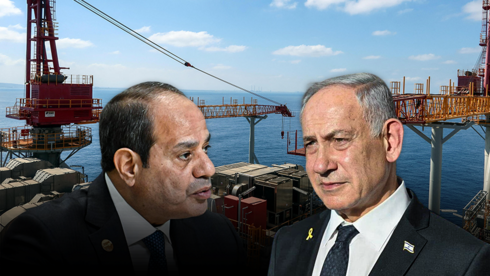
Despite the fanfare, Egypt’s energy stability still heavily hinges on a multibillion-dollar emergency fuel procurement strategy, primarily reliant on natural gas from Israel. This dependency has been underscored by recent regional conflicts that nearly jeopardized this crucial energy supply route. Instead of making a clean transition to solar energy, Egypt is signing agreements for renewable initiatives while simultaneously leaning on Israeli gas to meet immediate energy demands.
Challenges in Achieving Energy Sovereignty
On the surface, data emerging from the recent signing ceremony appears promising. A leading Chinese solar manufacturer committed to providing advanced solar modules for the Nefer Minya project. This large-scale installation is set to be complemented by significant battery storage, financed in part by the European Bank for Reconstruction and Development. Such advancements move Egypt toward potentially establishing ten gigawatts of clean energy capacity across the continent within the next decade.
However, the challenges are stark. Over recent summers, Cairo faced major electrical outages, forcing the government to implement nationwide load-shedding measures that led to rolling blackouts. This situation has devastating consequences, including lost lives due to heat exposure and significant economic disruptions that crippled local businesses. These failures were not caused by inadequate sunshine but stemmed from a severe decline in domestic natural gas production, exacerbated by a crippling fiscal crisis that hindered operations and left Egypt dependent on foreign fuel.
The Road Ahead: Dependency and Opportunities
Though the Egyptian government now assures its citizens that rolling blackouts are a thing of the past, the situation is more complex. Four floating storage and regasification units have been deployed strategically along Egypt’s coasts to enhance fuel import capabilities. While these steps provide short-term relief, they come at a steep cost and underscore a critical structural shift in the nation’s energy landscape. Currently, nearly three-quarters of Egypt’s gas supply relies on exports, notably from Israel, illustrating deep-rooted dependencies.
This reality is pivotal, especially considering the implications for regional stability. Egypt must acknowledge the extent to which its energy security is tied to Israeli gas fields. This dependency is not merely a mathematical calculation but a core factor in the functionality of Egypt’s energy grid. As geopolitical tensions fluctuate, the stability of this energy corridor becomes increasingly crucial for maintaining operational capacity.
For international investors and Western policymakers, recognizing this foundational dynamic presents an opportunity to fortify energy partnerships. While solar projects gain attention for their potential, the underlying reality remains that robust energy security must include reliable relationships with neighboring countries like Israel. Such cooperation is essential not just for energy sufficiency but for fostering broader regional peace and stability.
Ultimately, as Egypt pursues ambitious green initiatives, it must also come to terms with the deeper systemic realities that dictate its energy landscape. A balanced approach that integrates solar development with robust partnerships will determine the sustainability of Egypt’s energy future.