
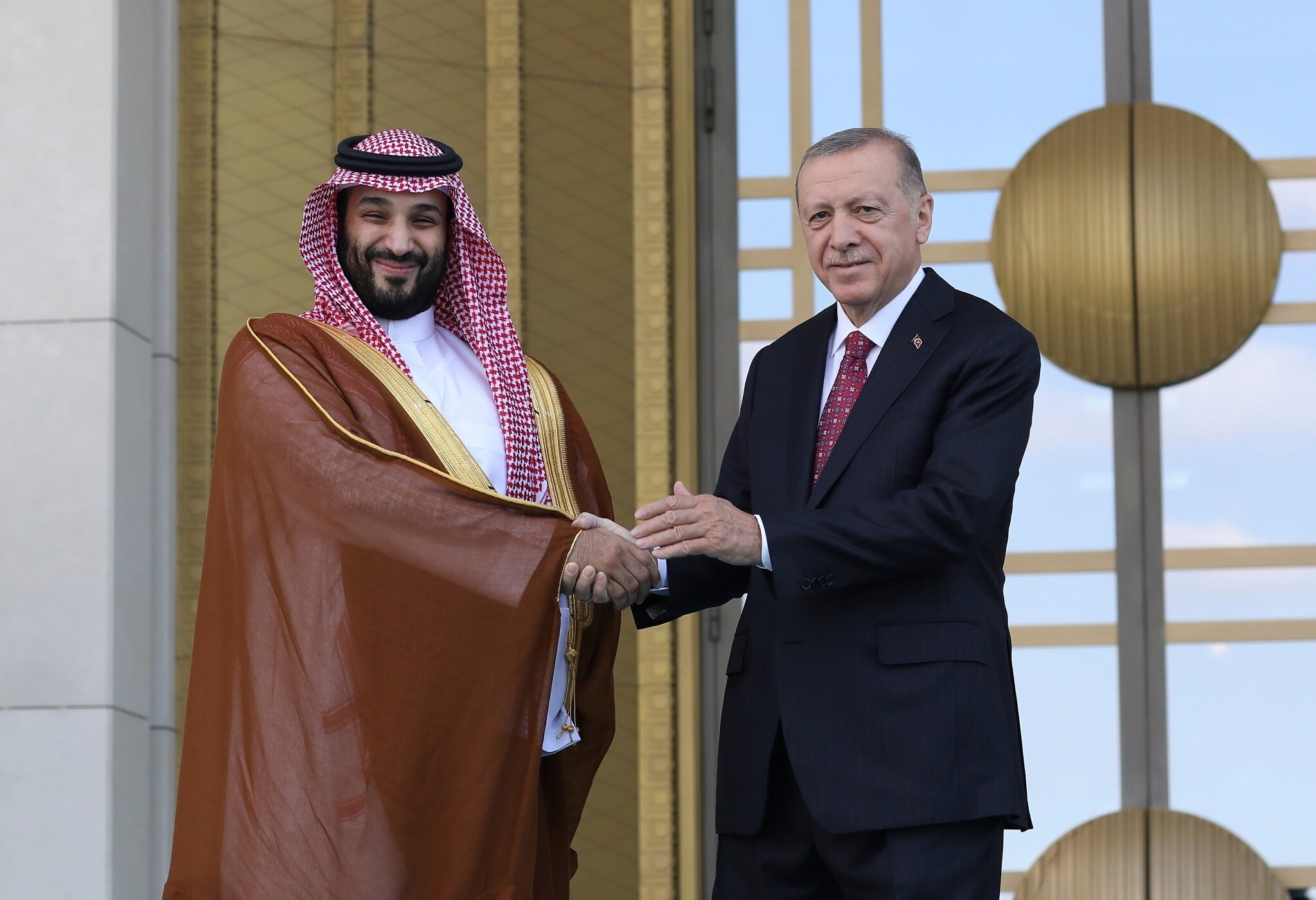
In recent developments concerning Middle Eastern geopolitics, Turkish President Recep Tayyip Erdogan expressed optimism that the newly established defense agreement involving Turkey, Saudi Arabia, and Pakistan would inspire more nations to join. Designed to enhance stability in a conflict-ridden region, this initiative, known as the Mecca Joint Defense Agreement, was officially signed last week.
Context of the Mecca Joint Defense Agreement
The Mecca Joint Defense Agreement comes in the backdrop of ongoing tensions exacerbated by the US-Iran war. This escalation in conflict has significantly impacted shipping routes through critical energy passages like the Strait of Hormuz and the Red Sea. President Erdogan indicated that the vision for this pact extends beyond the three founding nations, hinting at the possibility of broader regional participation. He emphasized the need for collective action among Middle Eastern countries to forge their path toward security and stability.
Egypt’s Potential Involvement
Amid this evolving landscape, Turkish Foreign Minister Hakan Fidan mentioned that Egypt could potentially become a signatory to the agreement. In remarks to the Anadolu Agency, he asserted that only minor technical issues prevented Egypt’s participation. However, the Egyptian government has remained silent on both the pact and the minister’s statements, leaving its intentions unclear. Despite existing military collaboration between Turkey and Egypt, there have been no definitive moves toward joining this new alliance. Importantly, the agreement includes a NATO-style clause asserting that an attack on one member would be viewed as an attack on all, raising the security stakes.
Reassessing Regional Security Dynamics
The current U.S.-Iran conflict has prompted a reevaluation of the security situation in the Levant and surrounding areas. Erdogan stated that the growing emphasis on regional self-governance in security matters reflects a critical shift in how Middle Eastern nations perceive their roles. He reiterated that solutions to regional issues should emerge from local contexts, rather than be externally imposed. This sentiment underscores the need for indigenous resolutions to the persistent crises that have historically plagued the region.
Broader Implications for Turkey, Saudi Arabia, and Pakistan
The agreement serves not only to bolster security cooperation among Turkey, Saudi Arabia, and Pakistan but also to challenge the existing security architecture that has long favored U.S. interests. In recent months, both Turkey and Pakistan have sharpened their rhetoric regarding Israel, with Pakistani officials stating that Israel poses a threat to the entire Muslim world. As Turkey and Saudi Arabia mend their previously strained relations, this new pact symbolizes their intent to redefine alliances and pivot away from Western influences.
In conclusion, the Mecca Joint Defense Agreement highlights a new chapter in Middle Eastern geopolitics, one that potentially paves the way for a collective approach to security. As nations reassess their roles in a changing landscape, the true test will be how these nations manage collaboration amidst the complex web of regional tensions.