
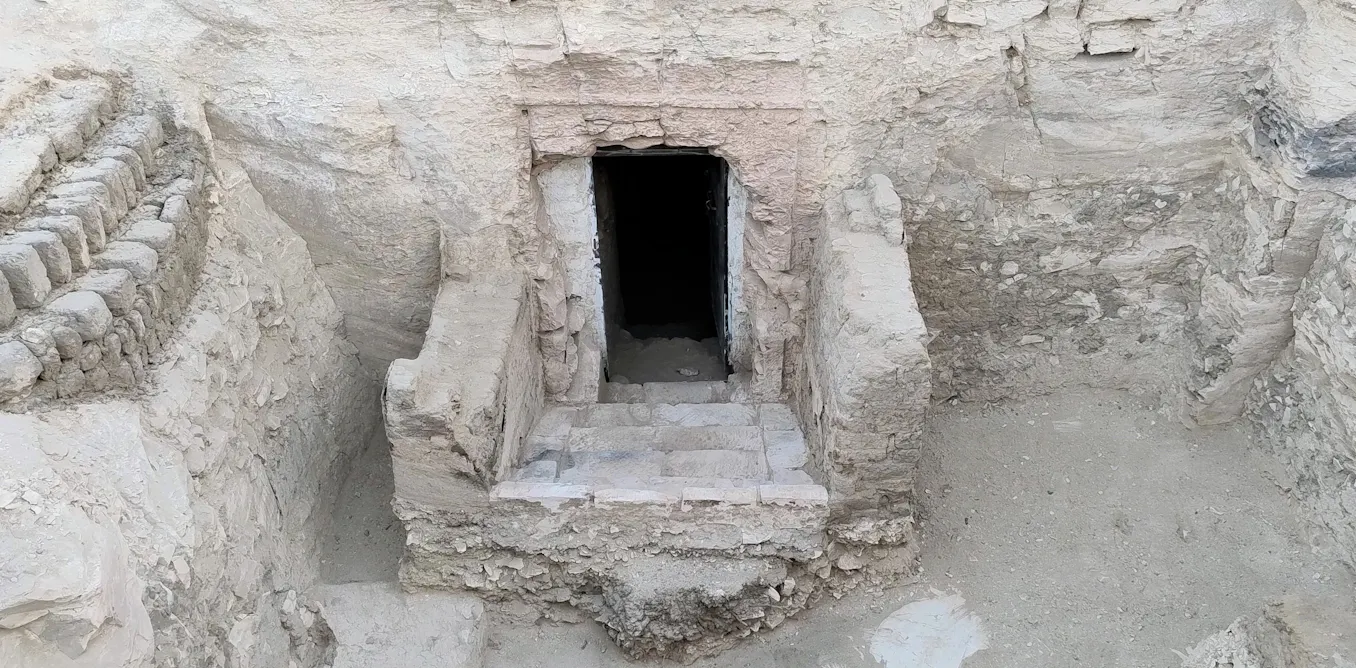
The discovery of a previously unknown ancient tomb can evoke a mix of excitement and apprehension. Recently, I had the distinct opportunity to lead an international research team on an archaeological expedition in the Theban necropolis, a UNESCO World Heritage site located near Luxor, Egypt. Our mission focuses on devising a conservation and risk management program specifically for the Lower Sheikh ʿAbd el-Qurna burial ground, which is at considerable risk due to frequent flash flooding caused by heavy rainfalls.
Challenges in the Theban Necropolis
The susceptibility of this necropolis to flash floods presents a significant challenge. To safeguard the integrity of the tombs, we are meticulously removing debris and excavating the area using archaeological techniques aimed at preserving historical data. During this process, we stumbled upon a tomb that dates back approximately 3,000 years, igniting our curiosity about its condition: would we find collapsed ceilings, signs of looting, or a well-preserved structure?
Upon entering, we found that the tomb featured a traditional layout characteristic of elite burials from the New Kingdom period, which spanned from around 1550 to 1069 BC. During this era, Thebes was not only Egypt’s capital but also a key religious and political hub. The tomb includes an outer courtyard, a rock-cut chapel, and underground burial chambers, displaying a well-maintained area adorned with a mudbrick platform and a niche for a stele.
Vivid Wall Paintings and Cultural Insights
Our exploration revealed a rock-cut chapel with walls decorated in vibrant hues, showcasing scenes of the tomb’s owner engaging with various deities and participating in domestic scenes alongside his wife. These colorful paintings serve as a historical window into ancient Egyptian life, illustrating not only the daily practices of the time but also illuminating the status of the tomb owner within the historical hierarchy.
From preliminary analyses of the artwork, we believe the tomb belonged to a male official named Paser. However, layers of dust cover the paintings, which will need restoration by conservation experts. Once this is completed, we hope to unveil further details about the lives of those interred, along with their social narratives, all of which are essential for understanding the complexities of burial practices in the region.
Significance of Tomb Placement
The Theban necropolis spans approximately 10 km² and served as Egypt’s main burial site for royals and elites for centuries. Situated on the west bank of the Nile across from Thebes, the site is home to several world-renowned locations such as the Valley of the Kings and the Valley of the Queens. Our team has collaborated with the Egyptian Ministry of Tourism and Antiquities since 2018, allowing us to create a valuable database of information about tomb structures, including this newly discovered site.
The location of Paser’s tomb opens avenues for research into decisions surrounding tomb placement and reuse, which were common in the Ramesside period. We aim to answer pivotal questions regarding how the ancient mortuary landscape, including proximity to related tombs and significant monuments, dictated these burial choices. Our research seeks to understand why officials chose to modify existing tombs rather than construct new ones.
Preserving History Amidst Climate Challenges
Regrettably, our efforts can feel like a race against time. Climate change has led to an increase in both the frequency and intensity of flash floods, which poses a severe threat to the archaeological integrity of the tombs. Floodwaters can cause immediate destruction, leading to moisture-induced erosion and structural instability. Hence, one of our key objectives is to implement a preventive conservation program designed to safeguard these ancient structures for future generations.
Simultaneously, this work allows us to conduct thorough archaeological investigations in an area previously overlooked compared to more famous sites. We have discovered that Lower Sheikh ʿAbd el-Qurna is not only rich in artifacts but also offers significant insights into the daily lives, funerary customs, and artistic practices of ordinary Egyptians and officials over centuries. Thus, this ongoing research provides a vital contribution to the broader understanding of ancient Egyptian society.