
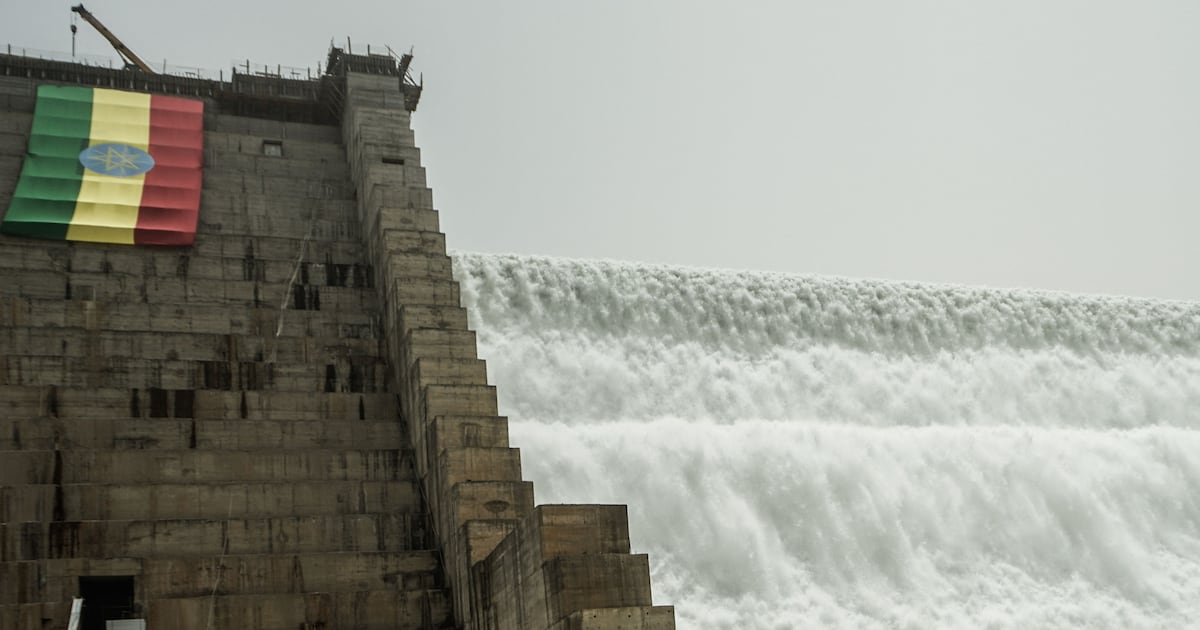
Egypt is currently grappling with a complex water dispute with Ethiopia, largely driven by the construction of the Grand Ethiopian Renaissance Dam (GERD) on the Nile River. This rivalry has escalated into a broader geopolitical issue, intertwined with military maneuvers and regional tensions in the Horn of Africa.
Overview of the Dispute
Cairo views this ongoing conflict as vital to its national security, fearing that the GERD will diminish its already limited share of the Nile’s vital waters. With a population of about 110 million, Egypt relies heavily on the river for agriculture and water supply. Experts argue that the implications of the dam reach beyond water management; they encompass regional stability and geopolitical balance. The Egyptian government is adamant that the dam could lead to significant job losses and threaten food security.
Although ample rainfall from the Ethiopian Highlands has temporarily mitigated immediate concerns regarding water flow, Egypt remains on high alert. There’s a fear that during a drought, Ethiopia may not release enough water downstream, which could have catastrophic effects on Egypt and Sudan, its downstream ally. With regional tensions mounting, Egypt has intensified its diplomatic efforts and military presence in the area to pressure Ethiopia into negotiations.
Egypt’s Strategic Actions
In recent months, Egypt has broadened its military footprint and sought alliances with neighboring countries like Eritrea and Somalia. These actions are aimed at countering Ethiopia’s influence and securing logistical bases for its southern fleet. Despite President Abdel Fattah El Sisi ruling out military action, the Egyptian government is pursuing aggressive strategies to squeeze Ethiopia into concessions.
Additionally, Egypt is actively seeking to isolate Ethiopia diplomatically. By cultivating military cooperation agreements with other nations in the Horn of Africa, Cairo aims to stymie Ethiopia’s aspirations for greater access to the Red Sea through potential ports or military footholds. This has led to heightened tensions in a region already fraught with conflicts, including the civil war in Sudan and the historical enmity between Eritrea and Ethiopia.
The Role of International Mediation
Egypt has also turned its attention to the United States, hoping for a renewed commitment to mediate in the dispute. The Trump administration had previously offered to facilitate negotiations, but this has become less likely amid the U.S.’s focus on other geopolitical crises, particularly concerning Iran. This lack of attention complicates Egypt’s position, leaving it feeling increasingly isolated.
Experts like Michael Hanna from the International Crisis Group speculate that the situation has evolved from a pure water-sharing dispute into a complex geopolitical quagmire. The potential for this conflict to escalate into open hostilities is real, as alliances shift and regional dynamics grow ever more intricate. The ongoing rivalry can no longer be looked at solely in terms of the dam; rather, it should be seen within a larger context, encompassing security and trade routes in the Red Sea.
In summary, Egypt is facing a precarious situation as it navigates both internal efforts and external pressures concerning the GERD. The evolving water conflict with Ethiopia is likely to remain a determining factor in regional stability and security, posing an existential challenge for Egypt as it strives to secure its water resources amid complicated geopolitical currents.