
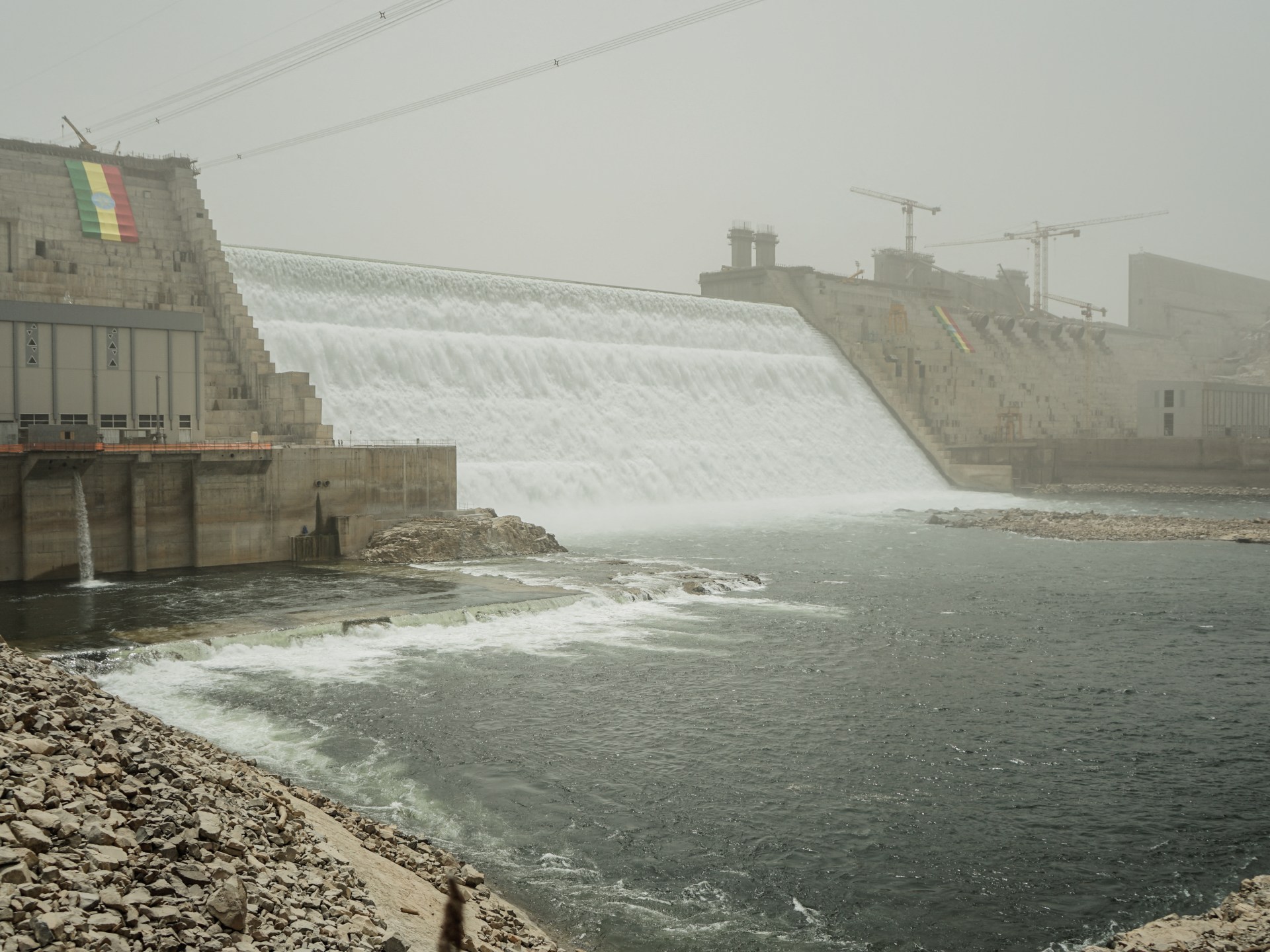
Egypt is navigating a complex diplomatic landscape in response to Ethiopia’s ambitious plans for new dams along the Nile River. The focus has shifted toward fostering international collaboration and leveraging partnerships with Sudan, rather than attempting to halt construction outright. This adjustment comes in light of past attempts to influence Ethiopia regarding the Grand Ethiopian Renaissance Dam (GERD), which revealed the limitations of Egypt’s impact on regional hydropower developments.
Understanding Ethiopia’s Dam Ambitions
Ethiopia is focused on developing its hydropower potential along the Blue Nile to enhance electricity generation, economic growth, and energy security. The government contends that expanding hydropower projects is critical for a nation where many people have historically struggled with unreliable electricity access. The recent revival of three significant hydropower proposals—Karadobi, Mandaya, and Beko Abo—aligns with this broader strategy. However, the implications of these projects for Egypt and Sudan depend heavily on their design and operational management.
Experts, like Ezekiel Gebissa from Kettering University, emphasize that smaller dams may not significantly hinder downstream water flow, while projects supported by large-scale irrigation could have substantial effects. Critical determinants include reservoir size, filling schedules, and operational protocols. As such, the new projects could either worsen tensions or serve as manageable energy solutions, depending on the operational framework established by Ethiopia.
Why Egypt is Concerned
The Nile is Egypt’s lifeline, supplying most of its freshwater resources. Any substantial changes upstream, such as the construction of new dams, are perceived through a national security lens. While Cairo is not opposed to Ethiopia generating electricity, its central worry lies in how upstream water management might affect the river’s flow, particularly during droughts. Hence, Egypt calls for clear guidelines about dam operations, water releases, and detailed communication from upstream neighbors.
Last September, Egypt escalated its concerns on an international platform by addressing the United Nations Security Council. The Egyptian government asserted that Ethiopia’s actions with the GERD violated its international responsibilities and advocated for a binding agreement to regulate water usage among the Nile Basin countries. The underlying issue remains a clash between Ethiopia’s developmental ambitions and Egypt’s need for stable water flow.
Impact of the GERD
The GERD’s inauguration in September 2025 marked a significant turning point, demonstrating both the extent and limits of Egypt’s diplomatic efforts. After prolonged negotiations with both Ethiopia and Sudan failed to yield the desired binding agreement, Ethiopia proceeded with the near $5 billion project, significantly enhancing its electricity production capabilities.
For Egypt, the GERD experience showed that while diplomatic efforts can increase international scrutiny, they are inadequate to halt Ethiopia’s development projects. This realization has prompted a strategic pivot; rather than seeking to stop individual projects, Egypt is now focusing on influencing how both current and future projects are designed and executed.
Sudan’s Role in the Equation
Sudan plays an essential part in Egypt’s strategy due to its geographical position along the Nile and as a country directly affected by developments in upstream projects. Yet, Sudan’s relationship with Ethiopia is not as straightforward as mere alignment with Cairo’s interests. While Sudan can benefit from more consistent river flows and electricity from Ethiopian sources, it also advocates for transparency regarding operations.
Experts suggest that Sudan’s cooperation hinges on establishing clear channels of communication and information sharing with both Ethiopia and Egypt. However, the ongoing internal conflicts in Sudan restrict its capacity to effectively engage in regional diplomacy, complicating the situation even further.
Assessing Egypt’s Influence
Egypt’s approach is deeply rooted in diplomatic efforts and alliances, particularly with Sudan, aimed at pushing Ethiopia toward greater cooperation and transparency regarding its hydropower projects. The results of the past with the GERD illustrate that Egypt’s most effective strategies involve political and diplomatic channels rather than coercive measures.
Experts argue that while Egypt possesses meaningful leverage, especially through diplomacy and international partnerships, it faces challenges in influencing Ethiopian decisions on new hydropower projects. The emergence of the three proposed Blue Nile projects will further test Egypt’s ability to translate diplomatic pressures into actionable influence, as the path forward lies in establishing mutually beneficial agreements over water sharing and management.