
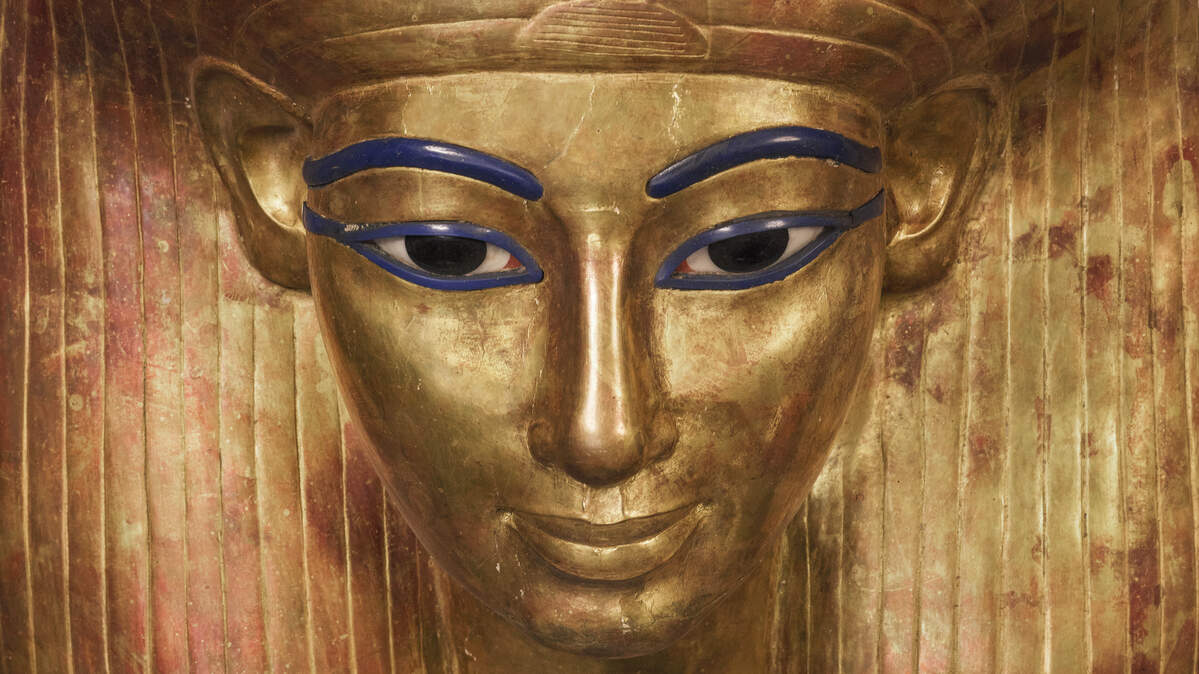
The Kimbell Art Museum has made headlines with its recent acquisition of an extraordinary exhibit: the Outer Anthropoid Coffin of Thuya. This remarkable piece, significant for its historical value, places the museum among a select group of institutions in the United States that house such artifacts.
Significance of the Outer Anthropoid Coffin
The Outer Anthropoid Coffin of Thuya dates back to ancient Egypt, revealing a wealth of information about burial customs and the afterlife beliefs of the time. This intricately designed coffin, adorned with striking illustrations and hieroglyphs, embodies the craftsmanship of ancient artisans. It serves as a window into a civilization that valued life beyond death, showcasing the social and spiritual dynamics present thousands of years ago. The coffin belonged to a priest named Thuya, emphasizing the importance of religious figures in ancient Egyptian society. Its acquisition adds not only to the museum’s collection but also to the understanding of an era steeped in rich traditions.
Kimbell Art Museum’s Unique Position
The Kimbell is one of only two museums in the U.S. to showcase this type of exhibit, elevating its status as a key player in the preservation and presentation of ancient artifacts. Located in Fort Worth, Texas, the museum is renowned for its distinguished collection and dedication to quality. With this new addition, the Kimbell continues its mission to educate the public and promote an appreciation for art and history through immersive experiences. The museum prioritizes storytelling, making each exhibition a comprehensive journey into the past that allows visitors to engage with history more dynamically.
Educational Opportunities and Visitor Engagement
With the introduction of the Outer Anthropoid Coffin of Thuya, the Kimbell aims to enhance its educational programming. The museum plans to host workshops, lectures, and guided tours centered around ancient Egyptian history and funerary practices. Visitors will have the chance to delve deeper into the cultural context surrounding the coffin and better understand its significance within ancient rituals. These initiatives not only enrich the museum experience but also foster a deeper connection between the audience and the artifacts on display.
Conclusion: A Treasure for All
The Kimbell Art Museum’s acquisition of the Outer Anthropoid Coffin of Thuya is a significant milestone for both the museum and those interested in ancient history. As one of the few institutions in the U.S. to feature such a rare artifact, the Kimbell is uniquely positioned to offer an enlightening experience. The opportunity to view this impressive coffin in person is not just about observing art; it’s about engaging with a piece of history. Visitors are encouraged to explore the museum and partake in its planned events to further appreciate the breadth of ancient Egyptian culture and its enduring legacy.