
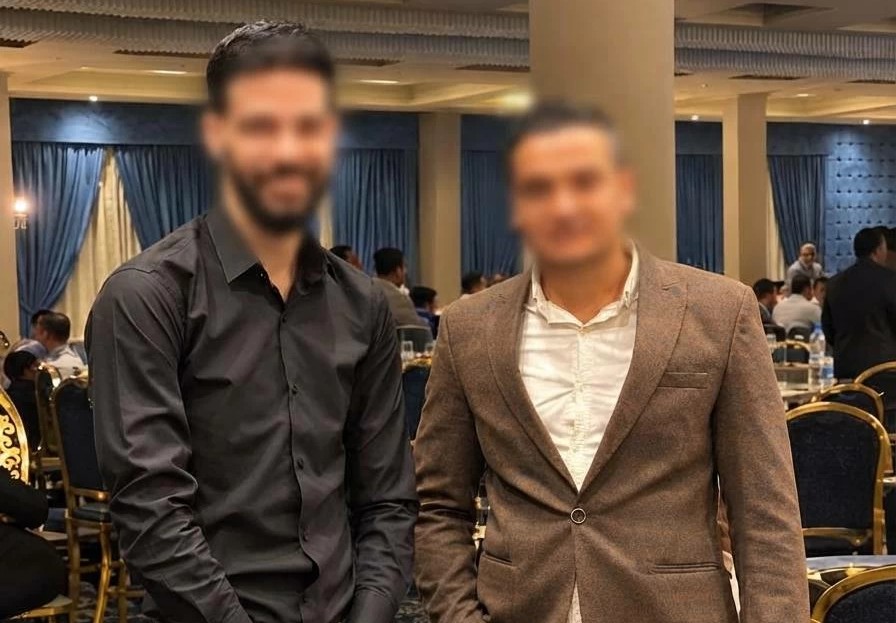
A tragic crime has taken place in the village of Mahallat Marhoum, located in Tanta, Gharbiya governorate, shocking the local community. A friend of the accused, Mohamed Nabil al-Sherbiny, recently shared chilling details about the events leading up to the horrific discovery of the murder of al-Sherbiny’s parents. This incident has raised critical questions about mental health awareness and intervention.
Friend’s Disturbing Call to Action
Ibrahim Nagy received a distressing phone call from the neighbors of Mohamed Nabil al-Sherbiny, who expressed concern about his declining health. Upon arriving at the scene, Nagy found his friend in a car, visibly shaken and requesting to be taken into police custody. In a harrowing confession, al-Sherbiny admitted, “I’ve done something terrible… I killed my father and mother.”
Initially, Nagy hoped that his friend was merely joking, as he had been battling severe mental health issues for six years. Al-Sherbiny was under the care of a prominent psychiatrist for obsessive-compulsive disorder, schizophrenia, and acute chronic psychosis. Unfortunately, his mental condition had recent worsened, resulting in a disturbing break from reality.
The Gruesome Discovery
Nagy’s concern only deepened after he was unable to reach al-Sherbiny’s parents by phone. Joined by neighbors and other friends, he made his way to the family’s apartment. What they found was horrifying; the father’s lifeless body lay in a pool of blood and was already showing signs of decomposition. Tragically, the mother’s body was discovered near the kitchen entrance. This shocking scene prompted Nagy to contact emergency services to report the crime.
Authorities swiftly apprehended al-Sherbiny and transported him to the Tanta police station for interrogation. This dramatic turn of events left Nagy in disbelief, grappling with the shocking reality that his once-promising friend could commit such an atrocity.
Regret and Mental Health Awareness
In the wake of this tragedy, Nagy expressed profound sorrow over al-Sherbiny’s fate, describing the entire incident as “unfathomable.” He noted that al-Sherbiny was an accomplished individual, having graduated at the top of his law school class. The drastic difference between his academic success and current actions raises troubling questions about the stigma surrounding mental health issues.
Nagy emphasized that such acts of violence could potentially be avoided with better understanding and education regarding mental health. He believes that more awareness is necessary for communities to address mental illnesses adequately, ensuring that individuals like al-Sherbiny receive the help they need before tragedy strikes.
This shocking occurrence in Gharbiya serves as a grim reminder of the challenges surrounding mental health issues, the need for compassion, and the importance of effective support systems. As communities grapple with the implications of such violence, conversations about mental health awareness must take center stage in order to foster a more informed and compassionate society.