
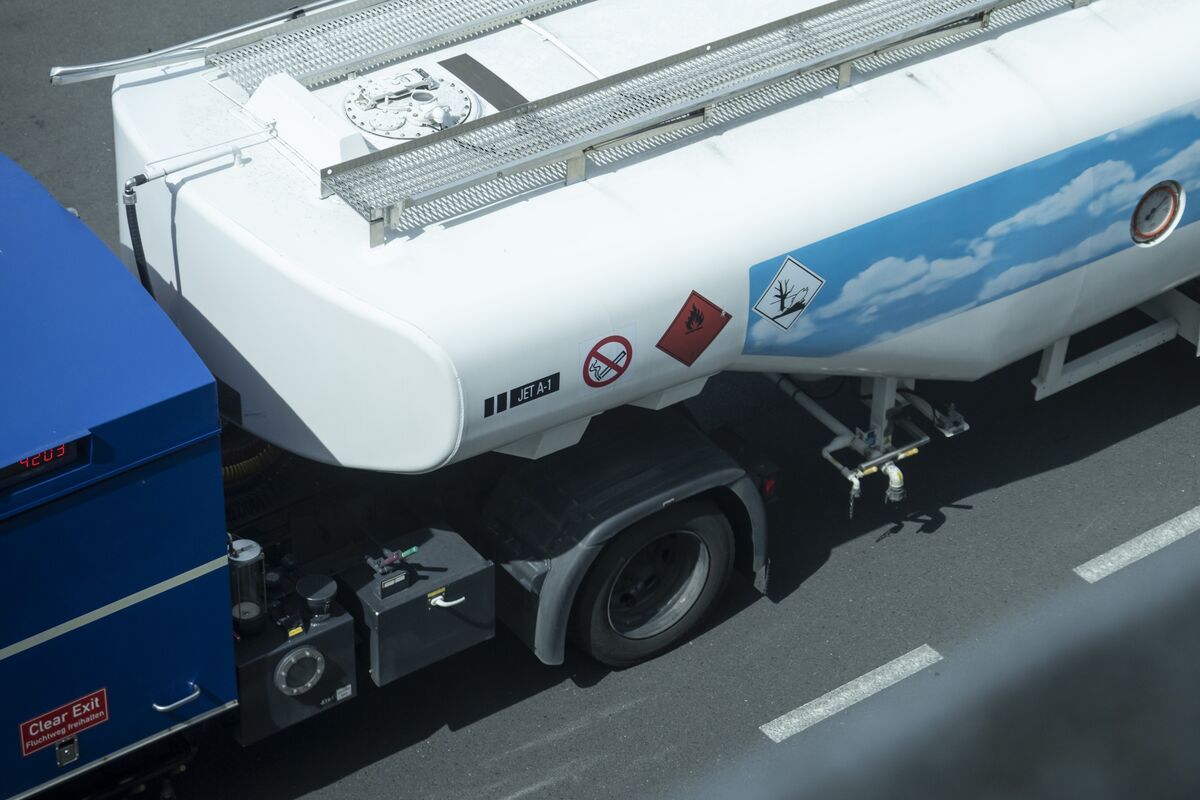
Green Sky Capital has made headlines by committing funding to a sustainable fuel production facility in Egypt. This initiative aligns with a growing trend among airlines and other stakeholders in the region to explore alternative energy sources, enhancing their energy portfolios and reducing reliance on traditional fuels.
Strategic Location and Production Goals
Nestled within the Suez Canal Economic Zone, this new facility aims to produce an impressive 200,000 tons of biofuels annually. Among its offerings will be sustainable aviation fuel, hydro-treated vegetable oil, bio propane, and bio naphtha. This diverse range of outputs positions the facility as a critical player in the movement towards greener alternatives in the aviation and transportation sectors.
Supporting Sustainable Aviation Initiatives
As airlines worldwide face increasing pressure to minimize their carbon footprints, this facility represents a significant step towards meeting sustainability goals. Sustainable aviation fuel (SAF) is a vital component in reducing greenhouse gas emissions associated with flights, making the facility’s production capabilities especially relevant in today’s eco-conscious market. By supporting this initiative, Green Sky Capital not only contributes to environmental progress but also addresses rising demands for cleaner fuel options among air carriers.
The Role of Biofuels in Energy Diversification
The push for biofuels is a response to the global call for energy diversification. Traditional fossil fuels are becoming less desirable due to their environmental impacts and volatility in pricing. By investing in renewable sources like biofuels, stakeholders are better equipped to navigate market uncertainties. With biofuels like hydro-treated vegetable oil and other derivatives produced at the new facility, the aviation industry can gain strategic advantages while fulfilling regulatory targets on emissions.
Regional Collaboration Towards a Greener Future
Green Sky Capital’s partnership in this project reflects a broader movement among regional players in the Middle East and North Africa (MENA) to collaborate on sustainability initiatives. By pooling investments and resources, these entities can advance significant projects that may be too costly or complex for individual organizations to undertake. This collaborative approach not only enhances the feasibility of green energy projects but also fosters a community committed to tackling climate change through innovation and investment.
In summary, the investment by Green Sky Capital in the sustainable fuel facility in Egypt marks a pivotal moment for renewable energy in the region. With ambitious production goals and a strategic focus on biofuels, this initiative has the potential to significantly impact the aviation industry and drive further investment in sustainable technologies. As global demand for cleaner energy sources escalates, this facility may well serve as a benchmark for future projects aimed at promoting sustainability and energy diversification.