
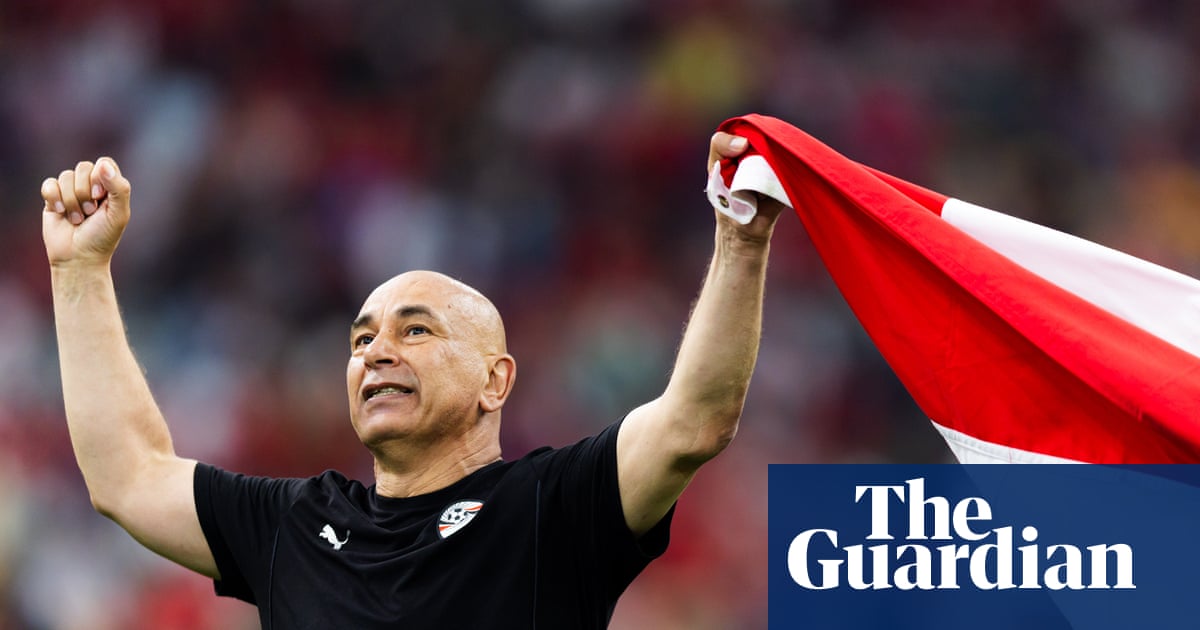
Following Egypt’s impressive 3-1 win against New Zealand in the World Cup, national team coach Hossam Hassan took a moment to publicly express his gratitude to Egyptian President Abdel Fatah al-Sisi. Al-Sisi’s supportive message to the team seemed to carry weight for Hassan, who emphasized that it felt like a personal honor, referring to it as “a medal on his chest.” The coach also commended the “unprecedented development” in Egyptian sports that has occurred under the president’s guidance.
Football and Politics in Egypt
It’s crucial to highlight that President al-Sisi, a former military general, has maintained a tight grip on power since taking control in 2013. During his administration, dissent has been systematically suppressed, and the security sector has a pervasive influence over civilian life. Under these conditions, Hassan’s statements about the national team often intertwine with a narrative of loyalty to the state. This has led to a blurred line between his duties as a coach and his political positioning, raising questions about the influence of politics in Egyptian football.
While Hassan is a celebrated figure in Egyptian football—the country’s all-time leading striker and a three-time Africa Cup of Nations champion—his appreciation of al-Sisi’s support often overshadows discussions about the performance of the national team itself. After leading the Pharaohs to an unblemished World Cup qualifying campaign, his focus on the government’s backing raises eyebrows. Once appointed, Hassan adopted the role not just as a mentor to the players, but as an advocate for the state.
The Role of Domestic Coaches
In 2019, following Egypt’s disappointing performance at the Africa Cup of Nations (AFCON), al-Sisi made it clear that he believed in the potential of Egyptian coaches, stating that they should replace foreign counterparts. His directive aimed to foster confidence in local talent, creating an environment where the government expects success from homegrown coaches. This sentiment perhaps paved the way for Hassan’s appointment after Rui Vitória’s dismissal following another lackluster showing at AFCON in 2024.
Hassan did not negotiate terms that would allow him to exit without penalty, instead prioritizing service to the national cause. He consistently voiced that his allegiance to Egypt came before personal interests, describing his role as a “national duty.” This sentiment of national pride aligns closely with the government’s intentions, which emphasizes stepping away from foreign expertise in favor of indigenous talents.
Football Governance and Freedoms
The intersection of sports and governance in Egypt has become increasingly clear, especially following Hassan’s appointment and recent World Cup qualification. The state now plays an influential role in managing not just athletic performance but also public perception. Journalists and commentators are urged to support the national team unconditionally, mirroring the government’s emphasis on unity in showing backing for military and political leadership.
As part of this system, media critiques of the team’s management have, at times, resulted in formal complaints to the Supreme Council for Media Regulation (SCMR). Hassan’s team now employs a legal spokesperson to combat what they perceive as detrimental commentary, showing a shift toward a more defensive approach in public relations.
The State’s Grip on Football Culture
Over the past decade, the state has gradually taken control of Egyptian football infrastructure. Military-affiliated enterprises sponsor the national team, and ticket purchases are heavily regulated through a biometric app, Tazkarti, ensuring that every interaction with the sport is rooted in state oversight. The Fan Zone for World Cup celebrations is fully managed by state-run organizations, thus integrating events further into the sphere of government authority.
In today’s environment, every engagement between supporters and the national team reflects the overpowering influence of state security mechanisms. This landscape raises crucial questions regarding the future of Egyptian football, the autonomy of its players, and the true motivations behind sporting success.