
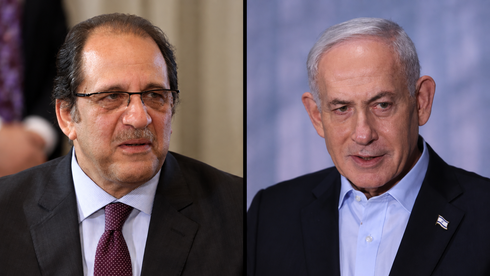
In a recent high-stakes meeting, Abbas Kamel arrived on a chartered Cessna, instructed to land discreetly at Ben Gurion Airport. This unexpected visit by Egypt’s intelligence chief has raised significant concerns regarding the current tensions in Gaza and Israel.
A Secretive Visit to Israel
Details surrounding Kamel’s arrival remain shrouded in mystery, particularly regarding who else may have been aboard the plane. The aircraft was stationary for 63 minutes before it returned to Egypt. Reportedly, Kamel’s visit was initiated at the direct command of Egypt’s President Abdel Fattah el-Sisi. His primary objective was to alert Israeli officials about a potential Hamas attack, which could have dire repercussions for both Israel and the Sinai Peninsula.
The urgency of Kamel’s message became evident shortly after his visit when alarming reports emerged from Egypt about plans for an attack in Gaza. On September 26, an initial warning was issued, indicating dangers on the horizon. Subsequently, an Egyptian source, known for their credibility and past interactions, reached out to communicate that “something terrible” was imminent, signaling Israel’s leadership to prepare.
Implications of the Warning
The gravity of the warning was not lost on the various media outlets that received it, including The Associated Press and a British newspaper. The Egyptian source elaborated on the urgency of the matter, insisting that this alert was particularly relevant to Israeli authorities. Notably, the source, who remains unnamed for security reasons, has a history of providing accurate information.
While meeting with Kamel, Prime Minister Benjamin Netanyahu publicly denied engaging with him; however, photographs from the meeting depict a serious conversation that contradicts his claims. Sources close to the Israeli leadership noted that Kamel was not just delivering warnings but was also urging for increased economic assistance to Gaza. This call followed the revocation of 180,000 work permits for Gazans in Israel, a move believed to escalate tensions further.
Escalating Warnings and Misjudgment
On October 5, Egypt issued another dire warning, this time without specifying a timeline. The Egyptian government, which harbors a significant disdain for Hamas and Islamic Jihad, underscored the urgency of the situation. Unfortunately, Israeli officials seemed unprepared to respond adequately to these critical alerts, particularly concerning the true intentions of Hamas leaders like Yehya Sinwar. Sinwar’s attempts to project a facade of peace in an interview with an Italian journalist may have succeeded in misleading Israeli intelligence.
This miscommunication manifested tragically, particularly exemplified by the case of surveillance soldier Roni Eshel, who lost her life on October 7. Prior to her death, she had issued warnings about unusual militant movements near the border—a plea that went unheeded by her superiors.
The failure to act on Kamel’s warnings, along with other intelligence, has raised questions about Israel’s security protocols. Egypt’s intelligence chief is well-regarded, and the lack of decisive action could have significant implications for both nations.
In summary, Kamel’s pivotal visit serves as a reminder of the volatile nature of regional politics and the intricate dynamics between Israel and Egypt. Timely information sharing and effective communication are crucial for averting possible escalation into conflict.