
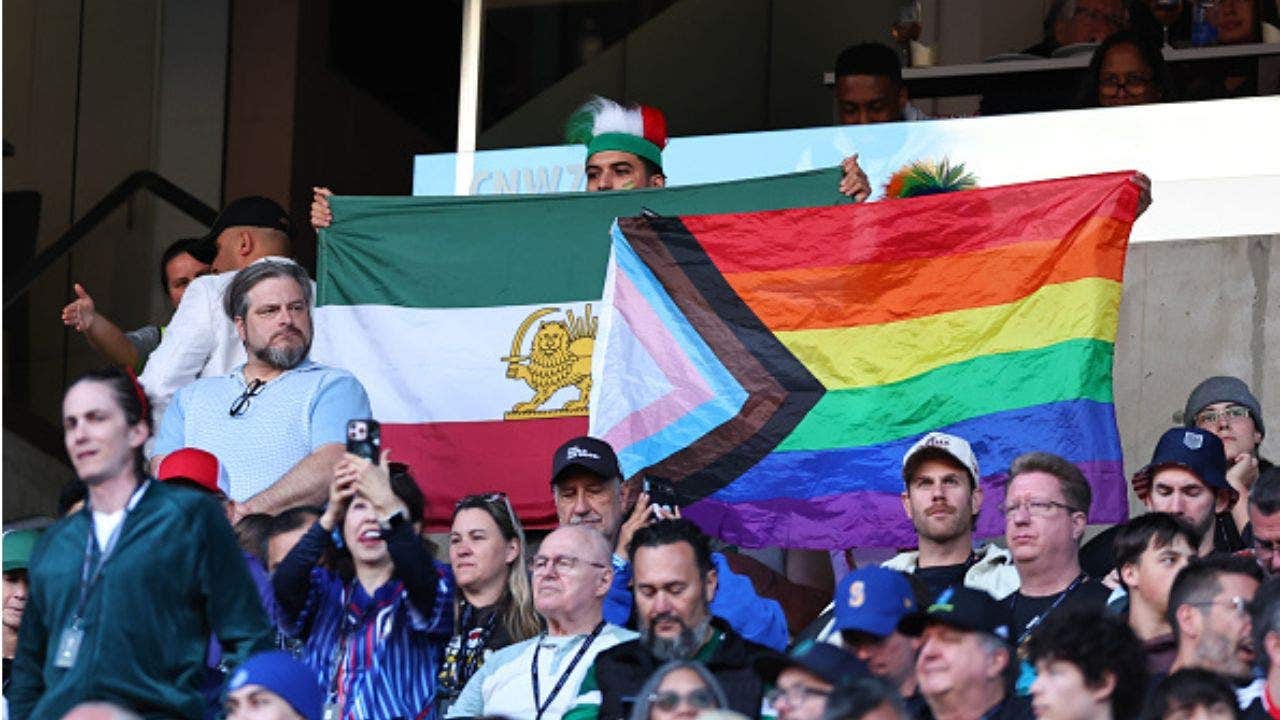
Seattle recently made headlines for transforming an important World Cup group finale into an unofficial Pride Match, which attracted significant attention from soccer enthusiasts and activists alike. The match featured Iran versus Egypt, a pairing that highlighted the cultural contrasts surrounding LGBTQ+ rights. Our visit to Lumen Field provided a glimpse into the unfolding drama where Seattle’s progressive stance met the more conservative social values of the Middle East.
Seattle’s Pride Match: A Cultural Collision
On June 26, fans adorned themselves with flags from Iran, Egypt, and the vibrant symbols of Pride, creating a striking visual representation of cultural intersectionality. The local organizing committee positioned this match as the city’s official “Pride Match Day,” setting the stage for an unexpected spectacle. With both countries’ federations having voiced their disapproval of any association with Pride, the event stood as a poignant paradox, enriching the atmosphere with an electric tension.
By the time the pre-game festivities began, the sidewalks outside Lumen Field were alive with excitement. Despite pushback from the Iranian and Egyptian federations—both of which urged FIFA to distance the match from any Pride-related messaging—local fans waved rainbow flags alongside those representing their respective nations. Fans celebrated not just soccer, but also a broader conversation around identity and acceptance, showcasing the diverse tapestry of modern American culture.
Pride Meets Politics
As the Pride branding filled the stadium, it became clear that the juxtaposition of Iranian and Egyptian flags against rainbow colors created a powerful narrative. Many Iranian supporters opted to display the pre-1979 Sun and Lion flag, symbolizing opposition to the current regime. This choice resonated deeply with activists advocating for human rights in Iran. One Pride supporter emphasized this connection, stating that their presence was as much about solidarity with Iranian citizens as celebrating LGBTQ+ rights.
Inside the stadium, as the national anthems played, reactions were mixed. Iran’s anthem was met with scattered jeers, while Egypt’s received more applause. Outside, the atmosphere only grew more complex, as protests escalated around the event, with counterdemonstrations expressing fervent opinions about various geopolitical issues. Such charged exchanges reinforced the notion that for many, this match was about far more than just sport.
The Match and Its Aftermath
On the field, the match itself was riveting, with Egypt scoring early due to a goalkeeping error. Iran quickly responded, tying the game after a saved penalty kick. The excitement culminated in a chaotic second half, complete with a brief pitch invasion. Just when it seemed Iran had claimed victory with a stoppage-time goal, VAR intervened, ruling it offside and solidifying the final score at 1-1.
This outcome was especially significant for Egypt, marking its first advancement to the knockout stage of the World Cup. As the dust settled, the true takeaway was not merely a tie in football, but a shared experience that engendered dialogue about acceptance, identity, and rights on a global scale. The event showcased how sport can transcend traditional boundaries, bringing together individuals from diverse backgrounds.
In conclusion, Seattle’s unofficial Pride Match between Iran and Egypt redefined what it means to celebrate diversity in modern sports. It demonstrated that even in a politically charged environment, there exists an opportunity for dialogue and understanding. As fans left Lumen Field, the consensus was clear: the beautiful game is capable of fostering meaningful conversation—one goal at a time.