
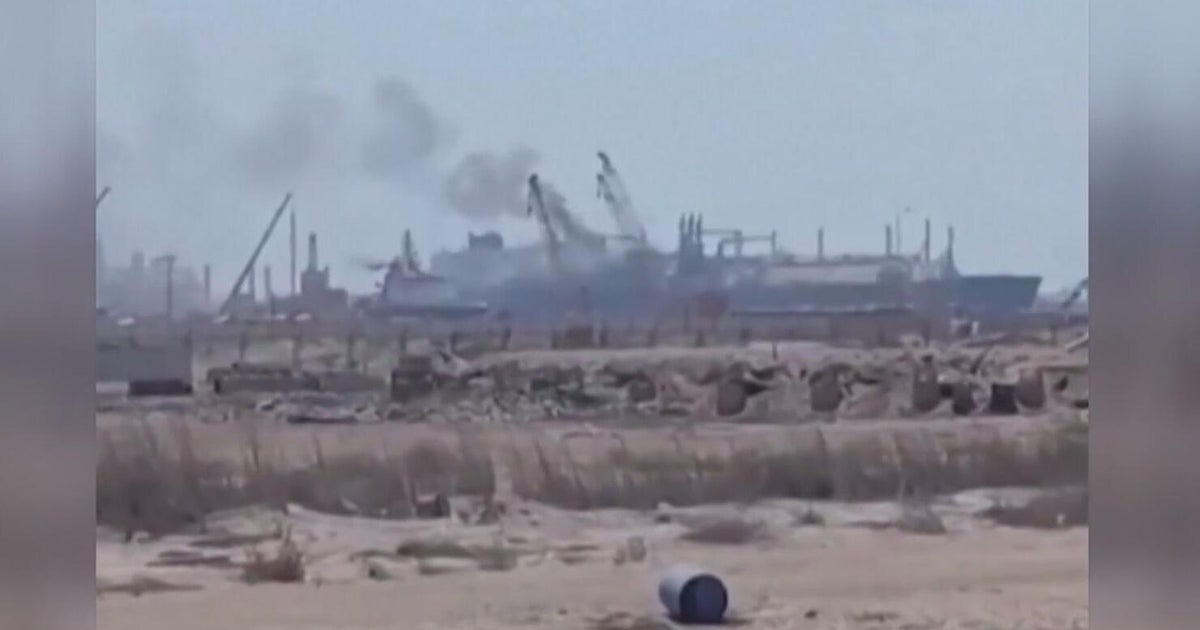
Iran has reported that U.S. airstrikes resulted in the deaths of three of its soldiers on Thursday, escalating tensions across the Middle East. As attacks continue to ripple through the region, both Jordan and Kuwait have also reported significant military encounters.
Rising Tensions in the Middle East
The recent U.S. military actions in the region have not only intensified Iran’s already strained relationship with the West but have also raised alarm among neighboring countries. The strikes reportedly targeted Iranian positions, and Iran’s government is condemning these actions, calling for immediate responses, further increasing the risk of a broader conflict. Adding to the volatile situation, Jordan announced that it successfully intercepted Iranian missiles for the second day in a row, reflecting heightened military readiness in the face of potential threats.
Jordan’s Defensive Maneuvers
Jordan’s proactive defense response underscores the country’s vulnerability in this rapidly changing geopolitical landscape. The nation’s air defense systems successfully neutralized incoming threats, showcasing its military capabilities. This defensive preparation not only protects Jordanian territory but also sends a strong signal to regional players about the seriousness of these ongoing attacks. As Iran faces external pressure, Jordan finds itself allied with other nations looking to contain any fallout that might arise from the ongoing hostilities.
Kuwait’s Casualties
In a related incident, Kuwait reported a deadly strike that tragically resulted in a loss of life. The specific details of the attack remain unclear, but this incident emphasizes the growing danger that these military operations pose to civilians and other nations caught in the crossfire. As strategic locations like Kuwait become battlegrounds in a larger conflict, the Kuwait government faces mounting pressure to ensure the security and safety of its citizens amidst the turmoil.
Broader Implications for Regional Stability
The ongoing military operations in the region illustrate a complex web of alliances and hostilities, potentially drawing more countries into a conflict that could disrupt the relative peace in the Middle East. Each new attack or military engagement not only affects the immediate area but could have far-reaching effects on international relations, trade, and security policies.
As these developments unfold, the international community watches closely, particularly as the threat of further military escalation looms. Countries worldwide may need to adapt their policies in reaction to these fast-paced events. The situation underscores the need for effective diplomatic intervention to de-escalate tensions and promote stability in a region that has faced ongoing conflict for decades.
In conclusion, the recent U.S. strikes in Iran, combined with Jordan’s missile interceptions and Kuwait’s unfortunate casualties, highlight a critical juncture in Middle Eastern geopolitics. Navigating the complexities of alliances, military actions, and diplomatic relations will be paramount in avoiding a greater crisis. The unfolding events serve as a stark reminder of the fragile nature of peace in a historically volatile region.