
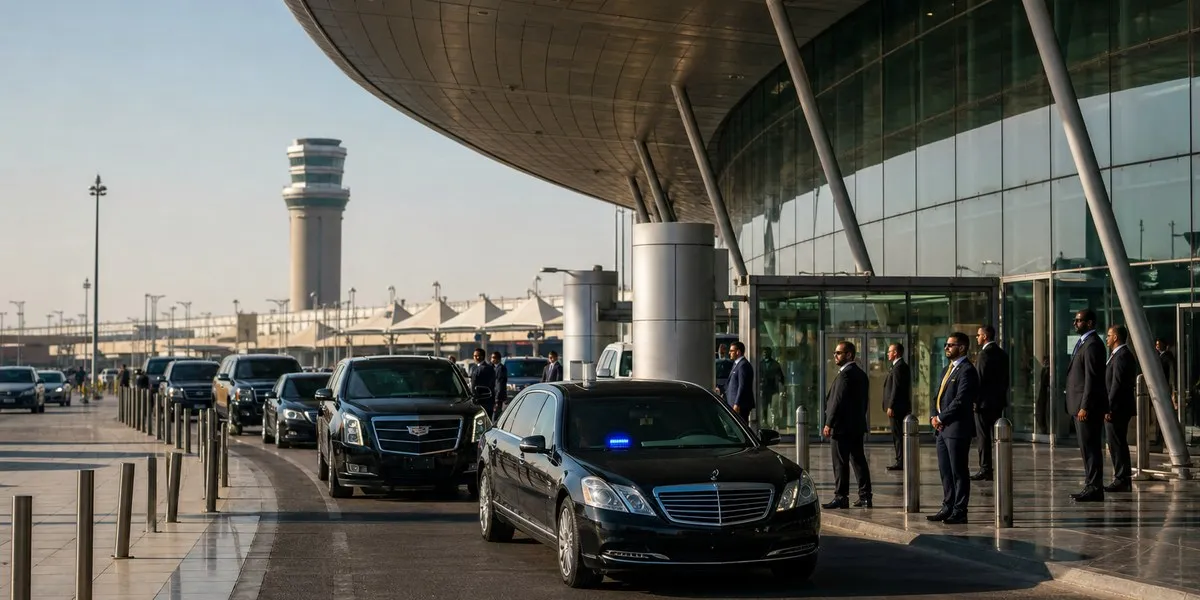
In late August, Chinese leader Xi Jinping made a significant visit to Cairo, marking his first state visit to Egypt since 2016. This visit comes at a time when China’s relationship with Egypt is intensifying, and key insights are provided regarding its implications, particularly for Israel.
Strengthening China-Egypt Relations
Xi Jinping’s trip to the Egyptian capital followed the Shanghai Cooperation Organisation summit held in Bishkek, indicating the strategic importance of Egypt on the global stage. The Egyptian media outlets have characterized this evolving relationship as entering a transformative phase, with expectations for increased collaboration in areas such as artificial intelligence and energy. Recent joint military exercises further symbolize this growing partnership, as China deployed its Shenyang J-16 multirole fighter jets to Africa for the first time.
This deepening cooperation signals an undeniable shift in power dynamics within the region, positioning Egypt as a vital ally for Beijing. The implications of this relationship extend beyond mere economic interests, as it potentially alters the balance of influence in the Middle East.
Implications for Israeli Policy
Esti Ayalon Kovo, a prominent voice on the matter, argues that the peace agreement between Israel and Egypt holds significant sway over regional stability, despite the historical tensions between the two nations. She emphasizes that the Israeli government should recalibrate its strategies to incorporate the interests of the United States, Egypt, and its own country. This approach would involve seeking avenues for deeper economic and energy collaboration with Egypt.
Kovo identifies the necessity for ongoing strategic discussions with Egypt, particularly concerning the security of maritime navigation in the Red Sea, in light of threats from groups like the Houthis. She criticizes the current Israeli administration for its focus on short-term domestic political gains, which she believes undermines Israel’s political standing in the region.
Call for Strategic Vision
Ayalon Kovo, who previously led Israeli trade efforts in China and is a candidate for the Knesset from the B’Yachad party, advocates for the formation of a government that possesses a coherent political vision. She believes that having experts capable of shaping and influencing regional dynamics is vital for Israel as it navigates the complexities of international relations.
In summary, Xi Jinping’s visit to Egypt underscores the burgeoning alliance between China and Egypt, which poses long-term implications for Israel. The need for a strategic reassessment by the Israeli government is paramount, especially regarding its relations with both Egypt and the broader Middle Eastern landscape. As these developments unfold, Israel must adapt its policies to remain relevant in a rapidly changing geopolitical context.