
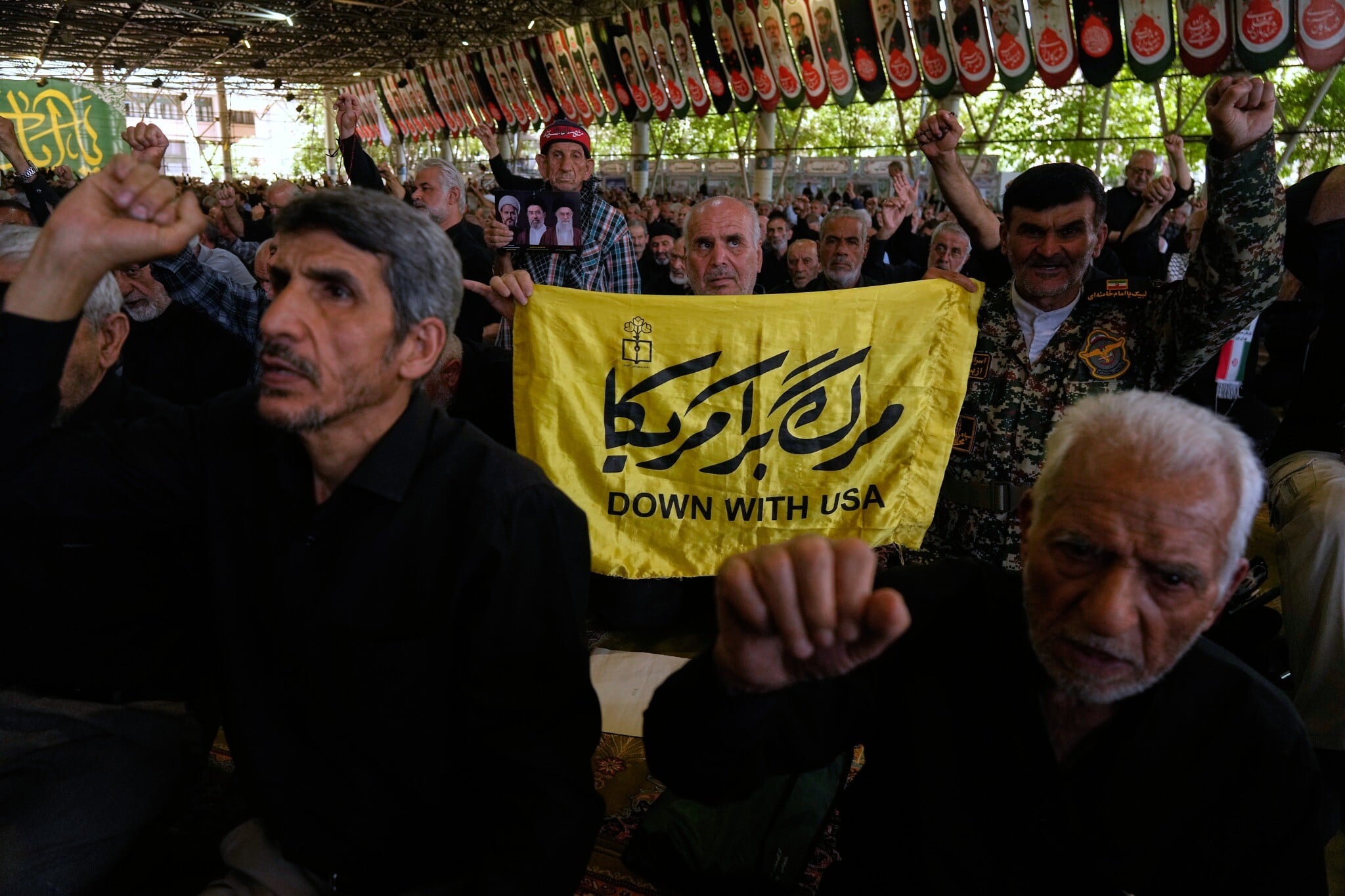
Mediators involved in the ongoing US-Iran conflict, including countries like Pakistan, Saudi Arabia, and Turkey, are set to convene for discussions in Egypt this Sunday. This meeting follows a previously scheduled round of negotiations in Switzerland that was unexpectedly canceled. As the clock ticks toward a 60-day deadline for finalizing an agreement, uncertainty looms over the prospects for meaningful dialogue.
Developments in the US-Iran Talks
The diplomatic landscape has become increasingly complex as tensions escalate. On Friday, Iran continued to impose restrictions on shipping traffic through the vital Strait of Hormuz, even after a memorandum of understanding was established earlier in the week. Iranian officials are insisting on specific transit requirements, raising questions about the sincerity of their commitments to facilitate naval movements in the area.
Meanwhile, in Washington, President Donald Trump publicly criticized Iran amid the rising conflict in Lebanon, which appears to be influencing Iran’s stance on nuclear negotiations. While Israel and Hezbollah have reportedly agreed to a new ceasefire, the path forward for US-Iran discussions remains muddled. Trump declared, “We didn’t meet out of desperation, Iran did. They are FINISHED!” emphasizing a hardline approach in light of the ongoing negotiations.
Upcoming Talks in Cairo
Pakistan’s foreign ministry has announced that the forthcoming meeting in Egypt will involve the foreign ministers of Pakistan, Saudi Arabia, Turkey, and Egypt. The agenda will focus on regional stability and the exchange of views concerning peace and security. Notably, this will be the first such gathering since their last encounter in April, which took place during a diplomatic forum in Turkey.
Egypt’s foreign ministry indicated that the Cairo meeting would conclude with broader discussions and a joint press conference. Initially scheduled for El Alamein, the talks have now been relocated to the capital, Cairo, reflecting the fluid nature of these negotiations.
Future of the Iran Nuclear Deal
Despite plans for renewed discussions, Iran’s Foreign Ministry stated that the urgency for immediate talks has diminished, given that a digital memorandum aimed at ending hostilities has already been signed. However, Iran’s chief negotiator has emphasized that any dialogue will remain bound by Tehran’s established “red lines,” which may create further hurdles in reaching a satisfactory conclusion.
One of the primary goals of the signed agreement is to alleviate hostilities that flared up following US-Israeli strikes in February. The deal aims to reopen the Strait of Hormuz and initiate a negotiation phase of 60 days addressing broader issues, including Iran’s controversial nuclear program.
Overall, while some diplomatic strides have been made, significant challenges remain. The Iranian authorities are maintaining a firm grip on navigation through the Strait of Hormuz, insisting that vessels must submit transit requests ahead of time and comply with specific safety guidelines. These developments offer a glimpse into the complex interplay of diplomatic negotiations, regional security, and geopolitical interests underlying the US-Iran conflict.