
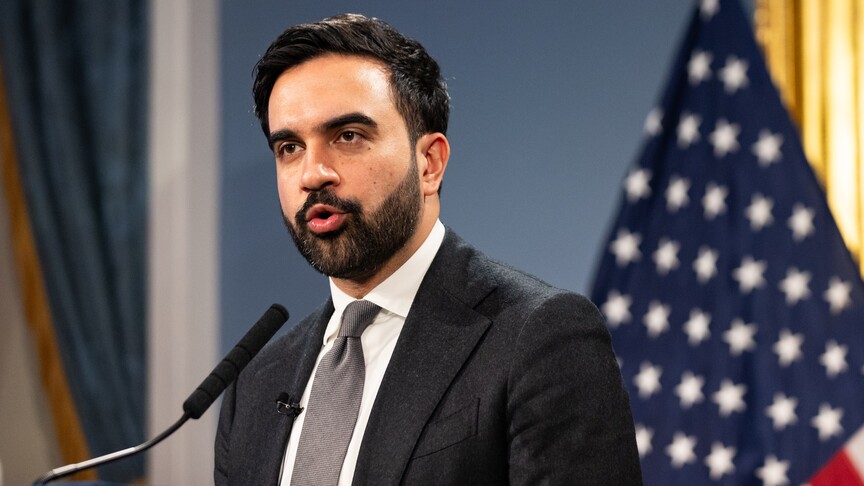
New York City Mayor Zohran Mamdani has extended his support to the Egyptian national soccer team after their contentious loss to Argentina in the FIFA World Cup round of 16. The Mayor’s statements have resonated beyond sports, touching on themes of fairness and justice in international competition.
Controversial Loss and Its Aftermath
Egypt’s recent 3-2 defeat to Argentina has sparked intense discussions among fans, analysts, and players alike. Many believe that the match was marred by questionable refereeing decisions, with Egypt’s coach and several players openly expressing disappointment. They described the tournament as “rigged” in favor of the reigning champions. Such allegations, made in the heat of post-game emotion, underscore the broader issue of fairness that often surrounds high-stakes sports events.
Support from Mayor Mamdani
In a recent address to his constituents, Mayor Mamdani took the opportunity to highlight Egypt’s plight. He remarked on how the circumstances of the game have become a topic of discussion among New Yorkers. Not only did he support the Egyptian team, but he also emphasized that many people felt Egypt was unfairly treated. “It means agreeing with your friends that Egypt were robbed yesterday,” Mamdani said, providing a relatable perspective for his audience. This connection between local sentiments and international sports showcases the power of soccer to unite communities, even when distances are vast.
Furthermore, the Mayor cleverly integrated sports issues into a conversation about urban commuting. He announced a new initiative aimed at improving bus travel times in New York City. Mamdani assured local residents that they could expect to save significant commuting hours in the future. He cleverly framed this improvement by saying it would allow more time for family activities, such as attending children’s games, thus linking the concepts of fairness and quality of life.
A Call for Accountability
The controversial nature of the match also initiated conversations regarding the reliability of officiating in football. With the implementation of Video Assistant Referee (VAR) technology, fans expect a higher standard of accountability in officiating decisions. The Mayor humorously noted that he would spend the extra six minutes saved from improved bus travel watching replays of the game, highlighting the frustrations fans feel when they believe the system has failed them.
Particularly troubling for the Egyptian side was the disallowing of a key goal by Mostafa Ziko. Following a VAR review, the referee ruled that a foul occurred during the buildup to the goal—an action that led to widespread criticism. One Egyptian international even remarked that the World Cup felt “fixed,” showcasing the profound impact of officiating on national pride.
Broader Implications for Sports and Fairness
This incident shines a light on larger themes within sports, particularly the integrity of competitions like the FIFA World Cup. Fans across the globe are passionate about fairness on the field and expect that every team has an equal opportunity to compete. Such controversies not only affect national teams but can also have lasting effects on the sport’s reputation. As the discussions continue, it will be interesting to see how governing bodies respond to calls for greater transparency and accountability regarding referee decisions.
In summary, Mayor Mamdani’s remarks reflect a longing for fairness that resonates with many. The mixed emotions surrounding Egypt’s loss to Argentina serve as a reminder of the intricate connections between sport, community, and social issues. The ongoing discourse will likely keep the momentum alive until clearer standards can be established for officiating in international matches.