
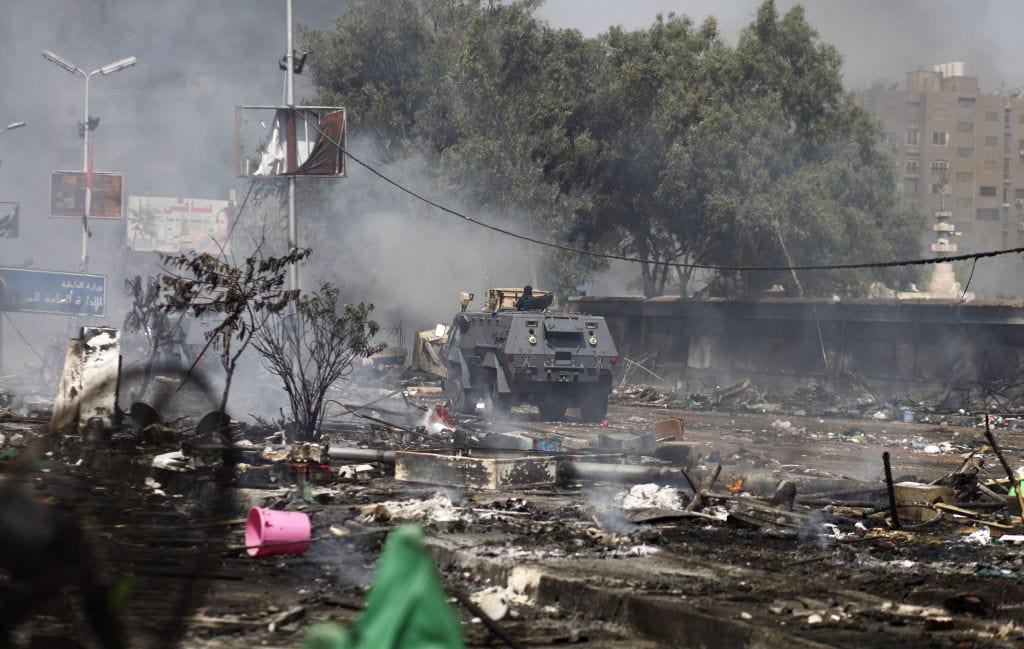
The horrors of the Rabaa massacre are forever etched in my memory, as the images of suffering continue to haunt me. As a physician, I have encountered severe injuries throughout my career, but the catastrophic scale of trauma I witnessed in that makeshift hospital was unimaginable. The scene was chaotic, overwhelming, and marked by a lack of resources and support as the violence escalated.
The Onslaught of Violence and Its Victims
When the bloodied and battered victims kept pouring in, the reality became starkly evident. The Egyptian military had begun to open fire on peaceful protestors, and in the confusion, medical volunteers were being apprehended as well. This irresponsible action left many without the medical attention they desperately needed. A young man, unconscious and suffering from catastrophic head trauma, was brought in. His physiological signs still indicated some hope—his pupils were reactive. But without the ability to transfer him to a facility equipped for intensive care, the grim reality set in: we simply did not have the means to save him. It was agonizing to know that I could usually provide critical care, but the unfolding chaos rendered such efforts futile.
The situation deteriorated further. As the number of dead began to rise, I found myself transitioning from a doctor to a silent witness to death—an unwilling undertaker. I will never forget one incident where a man staggered into the field hospital, clutching the severed head of his friend. This horrifying image is seared into my mind, a reminder of the raw brutality that unfolded around us.
The Overwhelmed Field Hospital
The makeshift medical facility quickly became inundated with both the living and the deceased. As bodies piled up, we struggled to find space to care for the critically injured. With neurosurgical options off the table, I began performing basic first aid, desperate to stabilize as many patients as possible. The unrelenting tide of injured individuals soon overwhelmed every corner of the hospital. Patients filled every available space—operating rooms, hallways, and even the floor. We were woefully under-resourced, lacking everything from anesthesia to basic medical supplies, yet we pressed on, facing the reality that we couldn’t meet the rising tide of need.
Outside, the chaos continued as live ammunition and tear gas were unleashed upon us. We learned of a nearby medical center, but the journey to it was fraught with danger as gunfire erupted around those attempting to seek refuge. Patients were left stranded outside, unable to enter for treatment. I remember trying to distribute basic medical supplies to those waiting in vain.
Undeniable Separation and Lingering Guilt
As the assault on our facility escalated, we were forced deeper inside for safety. Soldiers demanded that medical personnel evacuate, threatening to use force against those who refused. Amid the chaos, I stood with colleagues who risked their lives to provide care even as soldiers pointed weapons at us. Each moment felt surreal, like a nightmare made manifest. Families clung to their wounded loved ones, helping them recite the Shahada as we were ordered to leave with hands raised, a disheartening symbol of our powerlessness.
After hours of turmoil, leaving felt like a betrayal, a decision that weighed heavily on my conscience. I later discovered that many patients who remained inside were never transferred to safety. The field hospital we had abandoned was ultimately set ablaze, extinguishing any hope for the survivors trapped inside.
Even now, the memories linger disturbingly in my subconscious. Nightmares besiege my sleep, reminding me of the cries of the wounded and the lives that slipped away because we lacked the necessary resources to save them. What transpired at Rabaa was not merely a political eruption; it was the culmination of systemic violence against a populace that sought peace.
In conclusion, remembering Rabaa must lead to accountability. Those responsible for this egregious attack on civilians must be held accountable—not only the perpetrators on the ground but also those who enabled this regime. In the face of this profound guilt and trauma, I find solace in prayer, hoping for healing for the survivors and strength for their families. Each victim represented not just a statistic, but a life and a future irrevocably lost.