
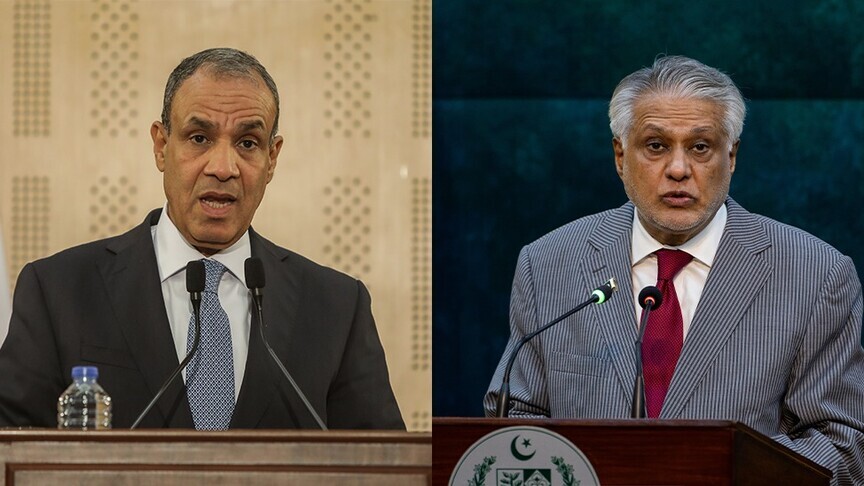
On June 14, 2026, Pakistan and Egypt engaged in significant discussions concerning the evolving geopolitical landscape in the Middle East, particularly in light of a potential agreement between the United States and Iran. This marked the second conversation between the two nations within a 24-hour period, underscoring the urgency and importance of the ongoing negotiations.
Key Diplomatic Conversations
The talks were led by Pakistan’s Finance Minister Ishaq Dar and Egypt’s Foreign Minister Badr Abdelatty. During this telephonic exchange, both diplomats examined developments pertaining to the prospective US-Iran deal. A joint statement highlighted their optimism that positive negotiations could foster a foundation for enduring peace, security, and stability across the region. The intent is clear: to counteract the persistent tensions that have plagued the area for years.
Pakistan’s Role in Mediation Efforts
In recent months, Pakistan has taken a proactive role in mediating conflicts, notably securing a ceasefire between the US and Israel during their skirmishes with Iran back in April. This indicates Pakistan’s dedication to facilitating dialogues among key players in the Middle Eastern conflict. Continuous consultations with various regional and international stakeholders are aimed at establishing a permanent resolution to the longstanding hostilities that have disrupted the Middle East’s peace.
Implications of a US-Iran Agreement
Speculation surrounding the US-Iran negotiations intensified when former President Donald Trump announced that a deal was slated for signing on June 14. He also mentioned that the strategically vital Strait of Hormuz would be “open to all,” indicating possible easing of tensions in this crucial maritime corridor. However, Iranian officials have countered that while constructive discussions are ongoing, the signing of a memorandum with the US might not take place as initially expected, but rather in the coming days.
Regional Tensions and Future Outlook
Tensions in the Middle East have been palpable since the US and Israel initiated airstrikes against Iran in late February. These acts prompted retaliatory responses from Iran against Israel and nations hosting US military assets. The volatility of the situation has also led to heightened concerns regarding the Strait of Hormuz, one of the globe’s most critical energy transport routes, raising alarms among countries that depend on unimpeded energy supplies.
As diplomatic dialogue continues between Pakistan and Egypt, along with the overarching US-Iran negotiations, the path toward a peaceful resolution remains uncertain. The coming days could prove pivotal in deciding whether a meaningful agreement can be achieved, potentially altering the dynamics of security and stability in an area long plagued by conflict.
Given the interconnected nature of geopolitical affairs, the outcomes of these talks may not only shape the future of the Middle East but could also have global repercussions. The world watches closely as regional players navigate this complex landscape, hoping for a resolution that supports lasting peace and mitigates the risks associated with escalating tensions.