
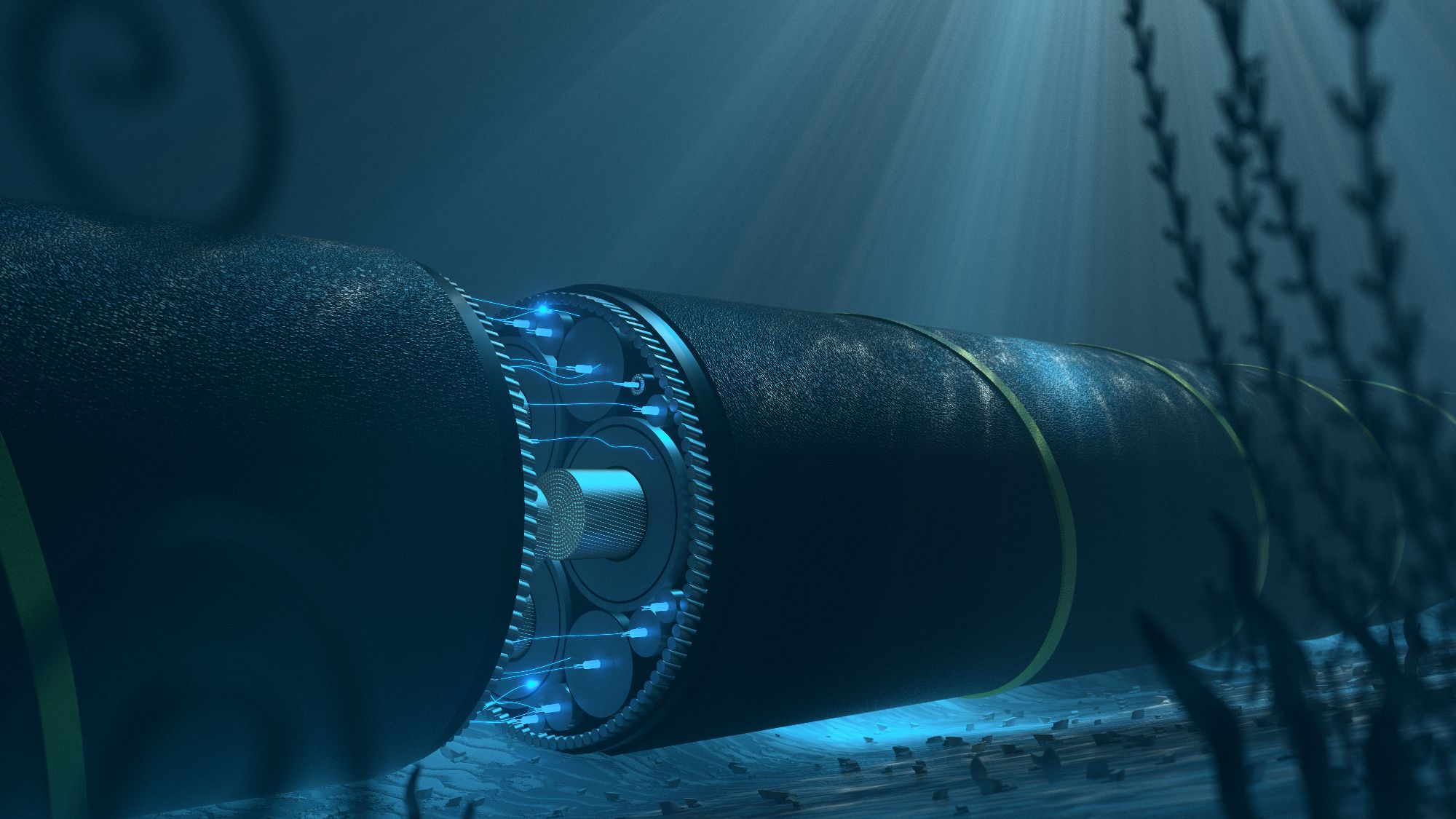
The recent disruption of an undersea cable connecting Egypt and Syria has raised serious concerns about internet connectivity in Syria. The state-run Syrian Telecommunications Company (SyTC) reported that the cable was damaged, which has led to delays in restoring full internet services. Although the Syrian government has not identified any specific actor responsible for this incident, it has suggested that the damage could be a result of a “systematic sabotage campaign.” In the meantime, internet traffic is being rerouted through alternative cables, including one that connects to Cyprus and a 1 Tbps overland cable extending through Turkey. Nonetheless, users across Syria are still facing considerable connectivity issues.
Importance of Undersea Cables
Undersea cables are vital for modern communication, acting as the backbone for global internet connections. These cables enable everything from casual browsing to international trade, processing transactions worth billions of dollars. Their significant role extends beyond commercial interests; they facilitate governmental communications between allied nations, primarily affecting national security and diplomacy. The disruption of such a crucial component can have far-reaching implications, especially for nations like Syria, which bridge key geopolitical regions.
Vulnerability of Undersea Infrastructure
Despite their importance, undersea cables are notoriously vulnerable to damage. Most of them lie just a few feet beneath the ocean floor, making them susceptible to accidental or intentional harm. Fishing activities, including the actions of trawler nets and anchors, pose continual risks. With approximately 550,000 miles of undersea cable in existence, patrolling these lengthy infrastructures is impractical for any single nation. Consequently, they often become targets in so-called “gray-zone warfare,” where actors engage in ambiguous conflicts that fall short of outright war.
Recent Cable Incidents
Recent history has seen a concerning uptick in incidents involving undersea cables. For instance, cables in the Baltic Sea have been cut multiple times by ships thought to be part of Russia’s shadow fleet, with Finland recently charging a Russian captain for such wrongdoing. The Middle East, too, is no stranger to disruptions in cable connections, with incidents in the Red Sea severely impacting communication between Europe and Asia. In response, Taiwan has heightened its vigilance, increasing patrols around its undersea cables due to the presence of numerous suspicious vessels.
Geopolitical Implications for Syria
The Syrian government’s assertion that the cable damage is linked to a “systematic sabotage campaign” is troubling, particularly as it does not assign blame to any specific group. However, Syria’s strategic position between Europe and the Middle East makes it a focal point for various global interests. The presence of Russian military bases in the country further complicates the geopolitical landscape, illustrating the potential stakes involved when incidents like these occur.
Addressing the vulnerabilities of undersea cables will require coordinated international efforts to ensure that this critical infrastructure can endure the challenges it faces today. From improving defense measures to better coordinating surveillance, the stakes are high for nations that rely heavily on these undersea connections.