
The evolving dynamics of natural gas in the Eastern Mediterranean have shifted from a focus on ownership of resources to the capabilities of countries to effectively market and distribute these resources. As regional players compete, the spotlight is increasingly on infrastructure and logistical prowess rather than sheer gas reserves. This transition is reshaping geopolitical alliances and economic strategies within a landscape rife with competition and opportunity.
The Shift in Energy Strategy
In the past, the question dominating regional discussions was “Who owns the gas?” However, as Cyril Widdershoven, a senior advisor at Blue Water Strategy, points out, the narrative has evolved into “Who controls the access routes to the market?” This shift is particularly pertinent for Egypt and Turkey. Both nations are vying for better positioning in this newfound competitive landscape, yet they are approaching the challenge from distinct angles.
Egypt has significantly strengthened its role in the natural gas market by developing key liquefaction facilities at Idku and Damietta. As the only two liquefaction plants in the Eastern Mediterranean, these installations provide Egypt with a major competitive edge. Reproducing such infrastructure is not a simple task, requiring both a substantial investment of $6 billion to $10 billion and nearly a decade of time. Israel’s growing exports of gas to Egypt from its Leviathan and Tamar fields are testament to this advantageous positioning, marking Egypt as a central node in the region’s energy supply chain.
Strategic Partnerships and Agreements
Egypt is not limiting itself to domestic resources; it has also signed strategic agreements with neighboring countries. Recently, Cairo agreed to import gas from Cyprus’s Aphrodite field for re-export. Negotiations for dealing with the Cronos gas field are also in the pipeline. In addition to its liquefaction capabilities, Egypt has enhanced its operational flexibility by investing in floating storage and regasification units (FSRUs), expanding its capacity to manage LNG imports—pivotal for addressing both domestic needs and potential re-exports via the Arab Gas Pipeline.
However, Egypt’s ambition is not without challenges. The country has seen fluctuations in imports of Israeli gas due to regional conflicts while grappling with declining domestic production and rising internal demand. These issues have underscored the difficulty of pursuing an export-oriented strategy while struggling to meet local gas needs. The complexity of balancing internal consumption with external market demands raises critical questions about the sustainability of Egypt’s aspirations.
Turkey’s Diversified Approach
Conversely, Turkey employs a more diversified strategy aimed at becoming a regional gas hub. Its focus is less on liquefaction plants and more on a broad supplier base, increased pipeline flow, and local production capacity. Turkey’s geographical positioning allows it to capitalize on relationships with energy-rich nations like Russia and Iran, who face limited market access, enhancing Turkey’s negotiating power and ability to re-export surplus volumes.
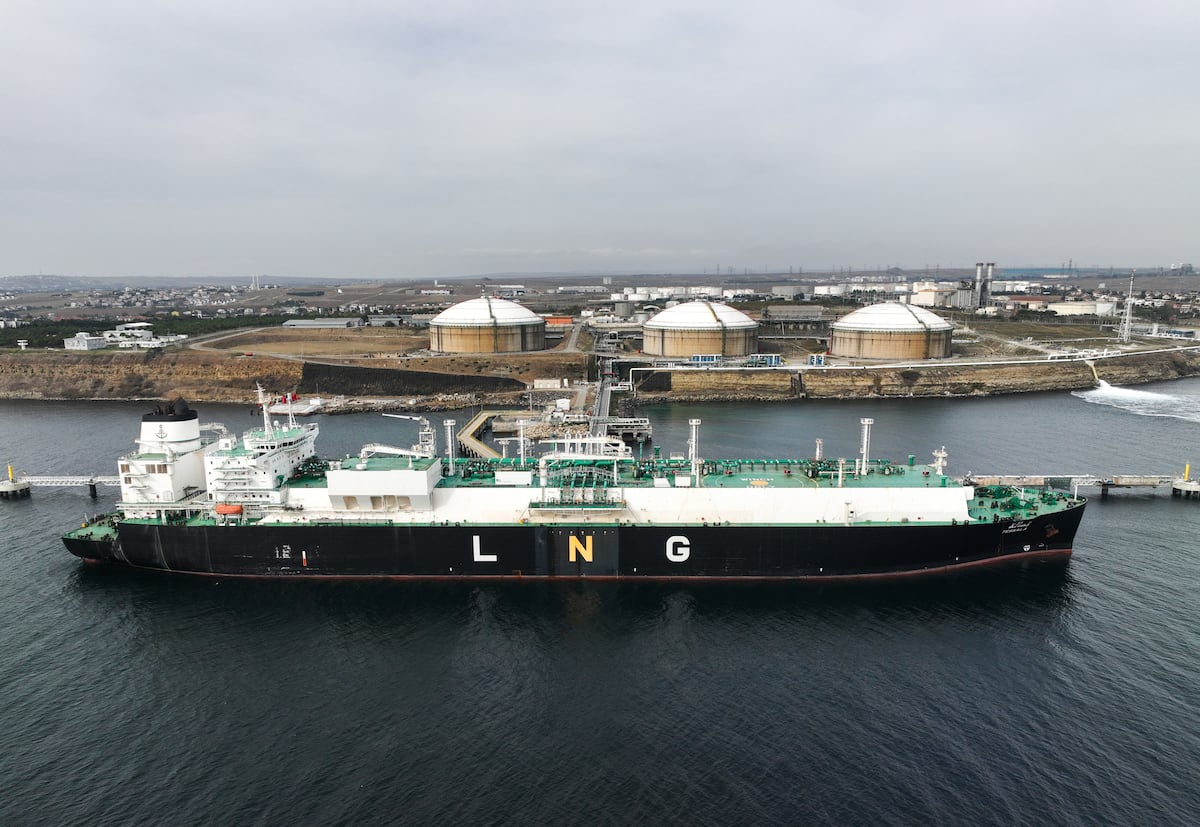
Turkey has bolstered its infrastructure with five LNG regasification terminals, alongside ongoing investments to develop its own gas reserves in the Black Sea. Over the past year, Turkey has also entered into a series of LNG agreements designed to reduce its reliance on Iranian and Russian gas. Such measures allow Turkey to store excess supplies for future resale, potentially boosting its role as a crucial energy supplier in Europe.
The analyst, Widdershoven, emphasizes that while Turkey’s efforts are commendable, the efficacy of its strategy hinges on market credibility and transparency. To establish itself as a trusted hub rather than merely a transit point for others’ gas, Turkey must address these issues meticulously.
In conclusion, both Egypt and Turkey are navigating their unique pathways in the Eastern Mediterranean gas arena, employing diversified strategies to cement their positions as pivotal players. The intricate interplay of natural gas ownership, logistical infrastructure, and market credibility will ultimately dictate the region’s energy landscape.