
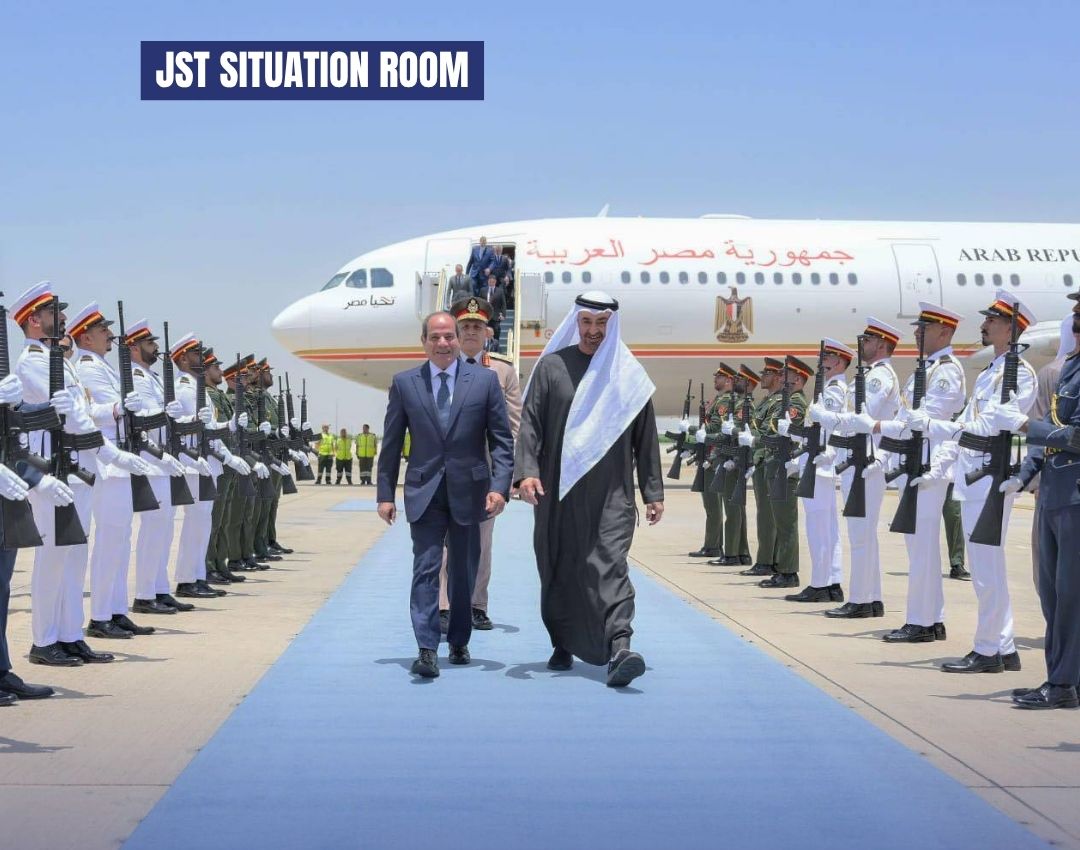
In a recent analysis for the Jerusalem Strategic Tribune, Colonel (ret.) Dr. Eran Lerman emphasizes Egypt’s crucial role in enhancing stability and balance in the Middle East. With President Abdel Fattah el-Sissi at the helm, Egypt is focusing on strengthening the state, ensuring national stability, and embracing a pragmatic approach amidst regional turmoil that spans from Gaza to the Red Sea. Together with allies like the United Arab Emirates and the United States, Egypt holds the potential to influence a new regional order centered on security, development, and state sovereignty—but several conditions must be met first.
Egypt’s Role in Regional Stability
Dr. Lerman points out that Egypt is a key player in regional stability rather than merely another participant on the sidelines. The nation is strategically significant due to its geographic location and historical influence in Arab and Islamic affairs. President El-Sissi’s leadership represents a shift toward more robust state governance and a cohesive national strategy, creating a foundation for sustainable development. The ongoing crises in the region, including conflicts in Gaza and heightened tensions in the Red Sea, underline the need for a strong Egyptian presence.
Partnerships for a New Regional Order
The collaboration between Egypt, the United Arab Emirates, and the United States is pivotal for cultivating a new framework that prioritizes security and development. These partnerships provide the necessary diplomatic and economic backing to establish norms that promote state sovereignty across the region. However, this groundwork necessitates a collaborative approach where all involved parties align on mutual interests. Dr. Lerman asserts that for these relationships to foster meaningful change, there must be shared commitments to stability and responsible governance.
Challenges Ahead
Despite the potential for positive change, numerous obstacles remain. The geopolitical landscape is fraught with complex issues, including ongoing conflicts and rising extremist threats. This environment requires countries like Egypt to navigate carefully and demonstrate strategic foresight in their policies. Moreover, the international community has an essential role in supporting efforts to stabilize the region.
Conclusively, while Egypt, under President El-Sissi’s leadership, holds a vital position in fostering regional stability, the success of this ambitious vision will depend on creating and maintaining strong partnerships. The collaboration with the United Arab Emirates and the United States should focus on cultivating a shared understanding of security and development priorities. As Egypt takes on this pivotal role, its ability to influence a transformative regional framework will hinge on addressing challenges in a committed and unified manner.