
Exploring the Artisans of Ancient Egypt Through a New Lens
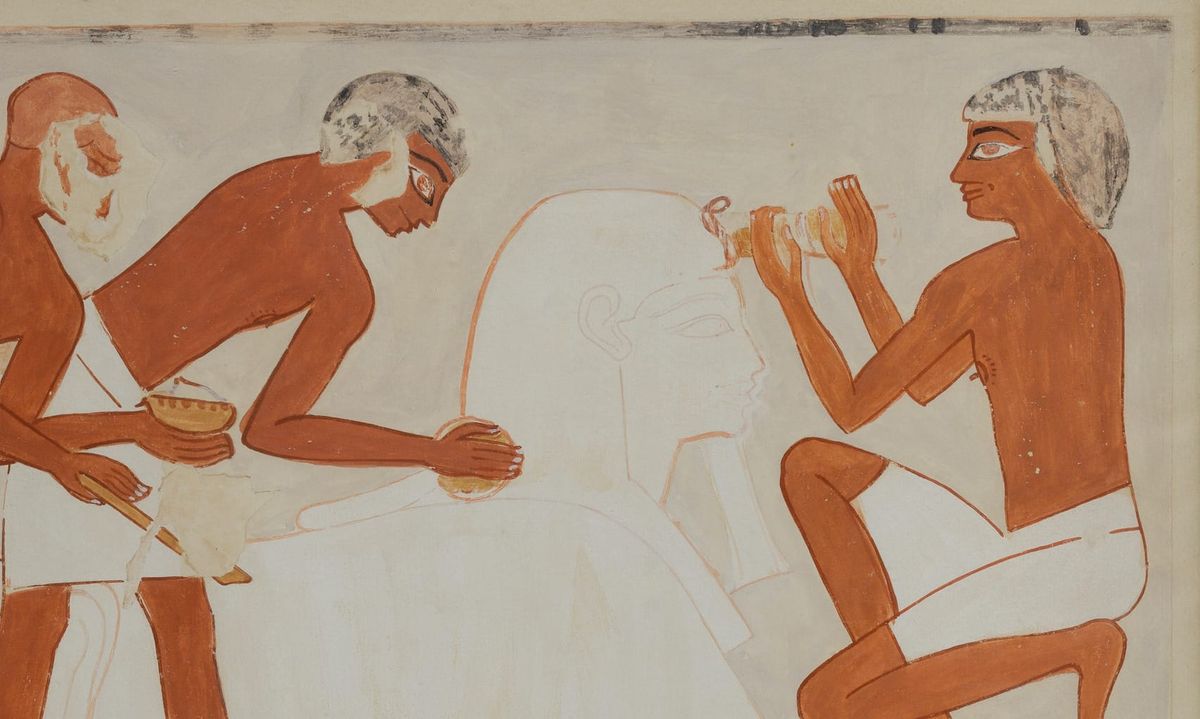
Recent trends in literature and art history reveal a shift toward recognizing the often-overlooked creators behind ancient civilizations’ masterpieces. This growing interest is exemplified in Made in Ancient Egypt (2025), a catalog published in conjunction with an exhibition held at the Fitzwilliam Museum, Cambridge. This book not only celebrates the magnificence of ancient artifacts but also aims to highlight the artisans—craftspeople frequently marginalized in conventional narratives.
Reexamining Ancient Egyptian Art
Traditional portrayals of Ancient Egypt often hone in on the lavish treasures and political intrigues that defined its dynasties. This singular focus tends to overshadow the actual laborers and artisans who contributed significantly to the civilization’s material and visual legacy. Made in Ancient Egypt works to bridge this gap by offering scientific analyses of both famous and lesser-known artifacts. By employing a “makers” perspective, the book allows readers to understand the social and professional hierarchies that influenced the production of these artworks.
The authors argue that understanding Ancient Egyptian art requires a shift away from conventional methodologies. They emphasize that there was no comprehensive theoretical framework for art in ancient times, nor was there a term that corresponds to our modern understanding of “art.” Due to this lack of a formalized aesthetic, the authors suggest that one must delve into the scientific aspects of materials and artisanship to grasp the essence of Egyptian art. This approach replaces the traditional Old Kingdom-New Kingdom timeline with a more systematic categorization based on mediums like clay, stone, and wood, thereby enriching our understanding of the craft involved in ancient artistic production.
The Role of Technology in Understanding Craftsmanship
Curators Helen Strudwick and Thomas Clarke take a groundbreaking approach by incorporating scientific methods into their interpretations of artifacts. High-tech tools such as micro-CT scans reveal intricate details, like the application of gold leaf on linen used in mummification. Such revelations uncover the sophisticated techniques employed by artisans, showcasing their ability to measure and control their work environment meticulously. For example, the book explores how ancient Egyptian craftsmen monitored factors like firing temperatures and material inventories, revealing an advanced understanding of their craft.
Additionally, independent researchers have conducted studies that delve into the intricacies of carpentry in Ancient Egypt. One notable study examines a wooden mummy coffin from 680 BCE, unveiling the carpenter’s remarkable technique in creating tight joints. These findings not only illuminate the skill level of ancient artisans but also position them as knowledgeable professionals within a structured system of apprenticeship and specialization.
Shifting Perspectives in Art History
Made in Ancient Egypt challenges the status quo by advocating for a broader understanding of art as an integrated aspect of society rather than merely an aesthetic endeavor. The book’s emphasis on the social roles of artisans enriches our appreciation of ancient Egyptian culture as multi-faceted and deeply interconnected. This shift in perspective encourages art historians and enthusiasts alike to consider the socio-economic conditions that shaped the art of any civilization.
In this light, the book serves as a crucial resource for anyone looking to explore the intricate tapestry of Ancient Egypt’s artistic legacy. By bringing artisans to the forefront, it not only redefines our understanding of art but also honors the unsung heroes who contributed to one of the world’s most enduring civilizations. As the field of art history continues to evolve, Made in Ancient Egypt stands as a compelling example of how we can enrich our narratives by spotlighting the skilled hands behind the art.