
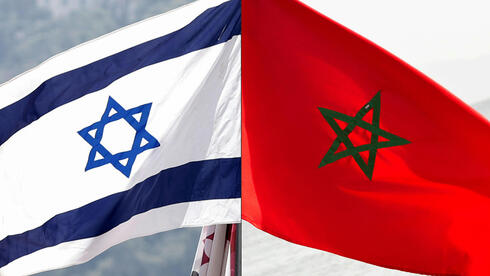
The recent deployment of Moroccan troops to the International Stabilization Force (ISF) marks a significant step forward amid ongoing international efforts to stabilize Gaza. Despite multiple countries voicing commitments to assist the ISF, many of their promises remain unfulfilled. Morocco, however, has taken concrete action by sending military personnel to reinforce the joint command at Kiryat Gat, located 30 kilometers from the Gaza Strip.
Morocco’s Role in the ISF
The deployment of Moroccan forces has been confirmed through Israeli military reports, highlighting a formal transition from pledges to action. This move follows a commitment made by Moroccan Foreign Minister Nasser Bourita earlier this year in Washington. The ISF’s mission is vital, rooted in a United Nations Security Council resolution aimed at securing Gaza during its shift away from Hamas rule. While the mandate outlines extensive responsibilities, including demilitarization and the development of a new police force in Gaza, the operation has faced challenges in mobilizing necessary resources and personnel.
Morocco’s involvement is especially noteworthy due to its religious credibility and historical military experience. Their contribution goes beyond sending troops; it includes the integration of senior Moroccan officers into the command structure of the ISF and preparations for supporting roles, such as establishing field hospitals. Furthermore, Morocco plans to lead a deradicalization initiative utilizing their expertise developed over two decades in counter-extremism efforts.
The Disconnect Among Other Contributing Nations
While Morocco steps up, other nations that pledged support have not yet followed through. Indonesia, for instance, was expected to contribute 8,000 troops but has delayed its involvement due to the escalating conflict with Iran. In contrast, Kazakhstan’s medical units remain unconfirmed, and only minimal evaluations have come from countries like Kosovo and Albania. Although Egypt received more attention and visibility regarding its ISF role, it explicitly stated its preference for a peacekeeping mission, avoiding any engagements that might put them in direct conflict with Hamas.
Countries like Jordan have agreed to provide training but not to directly participate in the ISF command. Meanwhile, Saudi Arabia and the UAE have offered financial support without any personnel commitments. The need for genuine Arab and Islamic legitimacy, combined with a robust security relationship with Israel, has thus far gone unaddressed in these efforts.
Morocco’s Unique Position
Morocco stands out for its lack of conflicting interests with Hamas. Unlike others, Morocco does not possess a complex diplomatic balancing act, enabling it to take decisive action without fear of reputational blowback. The Moroccan king commands significant religious authority, and the kingdom has successfully navigated cooperative defense relations with Israel, integrating years of joint training efforts under agreements like the Abraham Accords.
This strategic relationship allows Moroccan representatives to integrate seamlessly into the ISF’s joint command and reduces friction during operations. Their established connections with the Israeli security apparatus serve as a pivotal advantage for the overall mission.
Broader Implications for U.S. Policy
The recent developments should prompt a reevaluation of U.S. policy concerning the ISF. The U.S. Congress is moving towards solidifying frameworks that will enhance defense cooperation with Morocco. As the ISF deploys to stabilize Gaza, attention should be shifted from the promises of other nations to the tangible actions taken by Morocco.
In conclusion, Morocco’s proactive stance offers hope for the ISF’s efficacy in stabilizing Gaza. Its ability to not only pledge but deliver actionable support merits recognition and sets a precedent for future collaborations within the region. The time is ripe for the U.S. and its allies to embrace Morocco’s contributions fully, ensuring the implementation of comprehensive strategies aimed at achieving lasting peace and stability.